What Is Biomass in Wastewater Treatment? Understanding the Living Engine Behind Biological Treatment
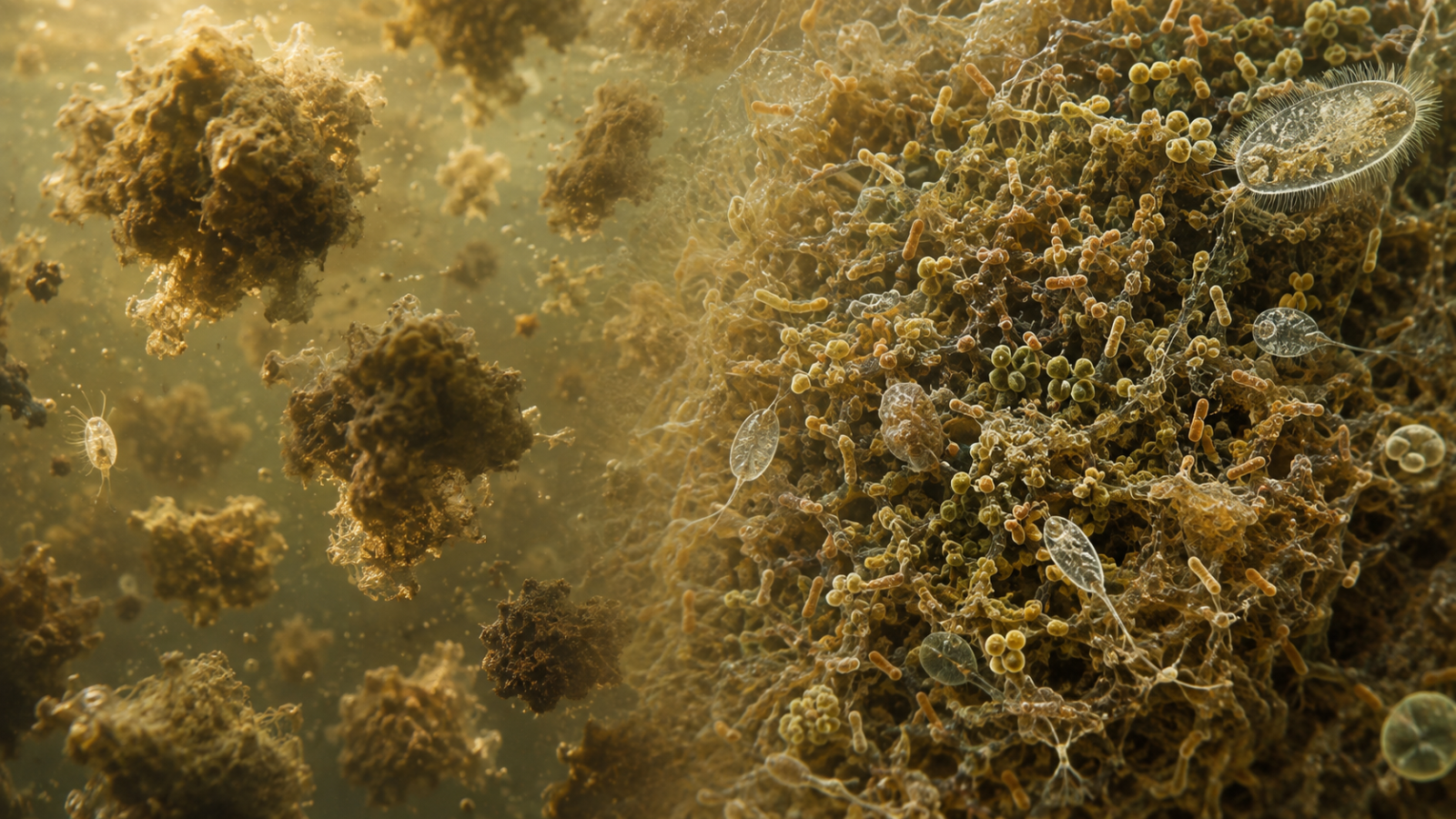
Every biological wastewater treatment system depends on a living population of microorganisms known as biomass. Biomass is at the core of wastewater biology, the biological processes that allow microorganisms to consume organic pollutants, stabilize waste, and improve water quality.
While pumps, aerators, clarifiers, lagoons, and other treatment equipment provide the physical conditions necessary for treatment, biomass performs much of the actual biological work. Despite its importance, biomass is one of the most misunderstood concepts in wastewater treatment. The terms biomass and sludge are sometimes used interchangeably, but they describe different things. Biomass refers to the living microorganisms actively participating in treatment, while sludge contains both living biomass and non-living materials.
Understanding what biomass is and how it responds to changing operating conditions is essential for maintaining stable biological treatment, improving effluent quality, managing sludge accumulation, and optimizing overall wastewater system performance.
Key Takeaways
Biomass is the living community of microorganisms that drives biological wastewater treatment. These microorganisms consume organic pollutants, reduce biochemical oxygen demand (BOD), stabilize organic matter, and support consistent effluent quality. Healthy biomass improves treatment efficiency and process stability, while stressed or disrupted biomass can contribute to poor settling, odors, elevated effluent BOD or COD, solids accumulation, and reduced treatment performance.
What Is Biomass?
In wastewater treatment, biomass refers to the living microorganisms actively involved in breaking down organic pollutants. This microbial community consists primarily of bacteria but can also include protozoa, fungi, algae, archaea, and other microorganisms that perform different functions within the treatment process. Biomass functions as the biological engine of wastewater treatment.
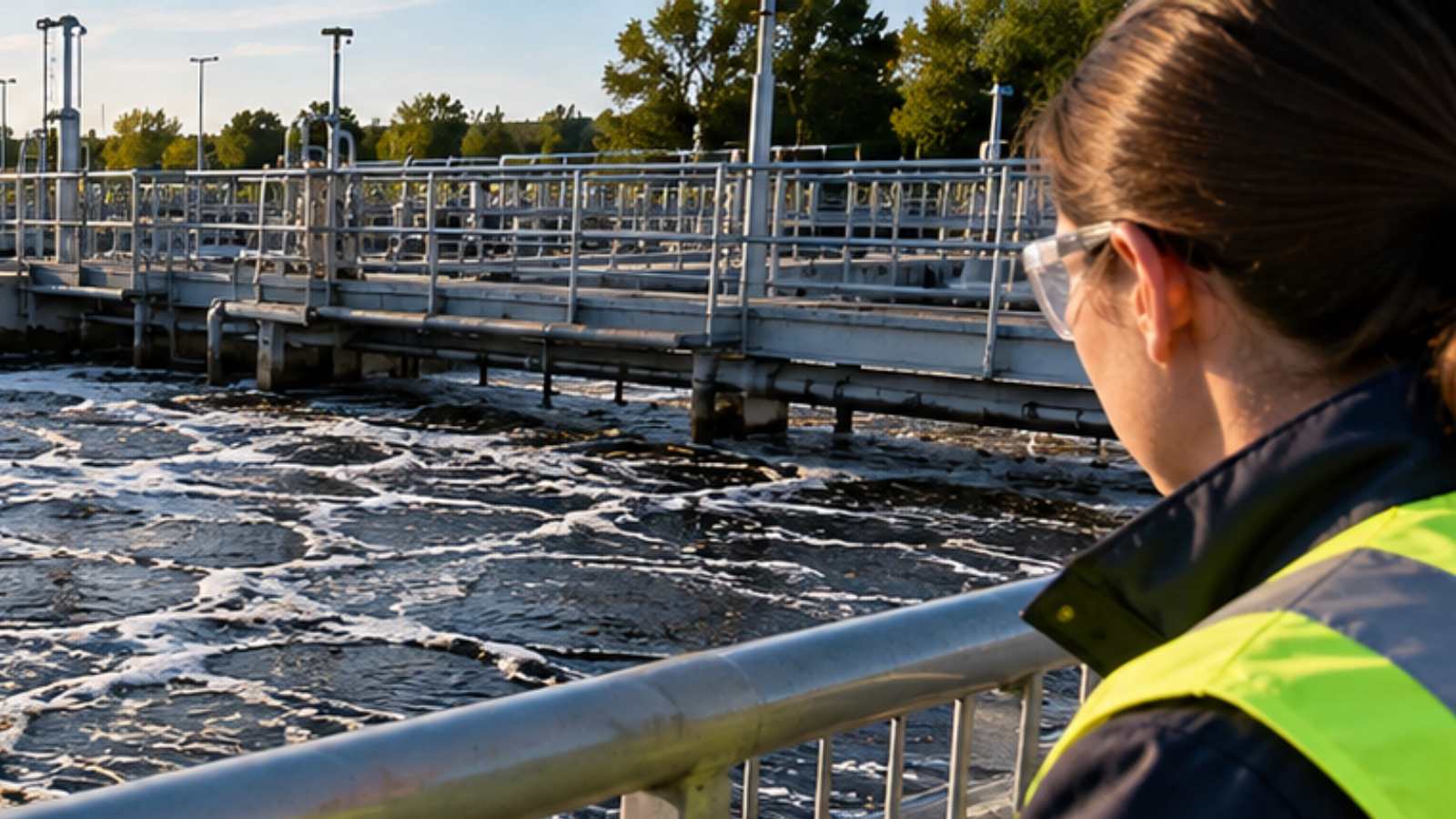
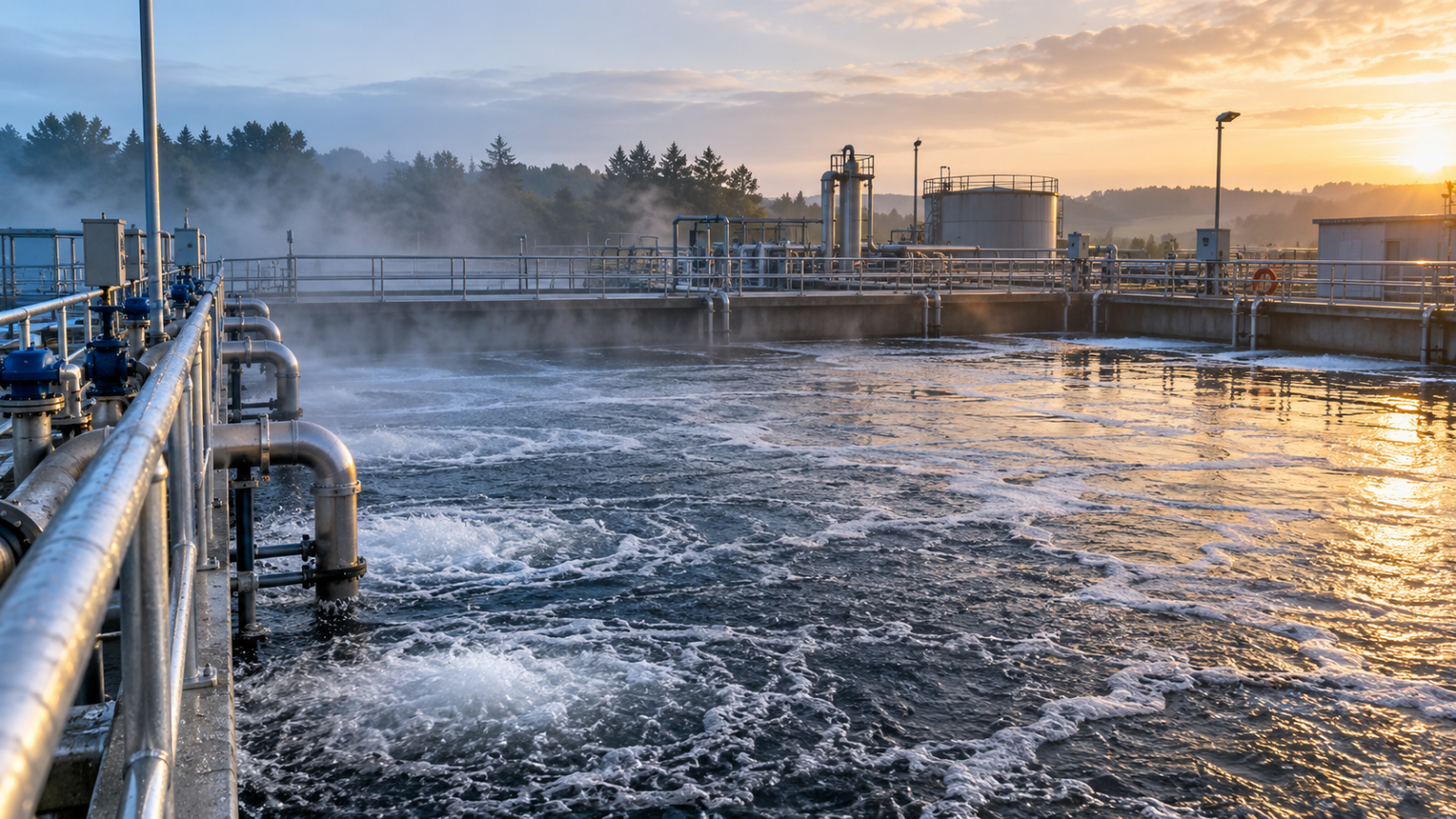
As wastewater moves through activated sludge systems, lagoons, sequencing batch reactors (SBRs), oxidation ditches, biofilm systems, or anaerobic digesters, different microbial populations consume and transform dissolved and suspended organic matter. These biological processes convert wastewater contaminants into simpler compounds, new microbial cells, gases, and more stable forms of organic matter. Without an active microbial community, biological wastewater treatment cannot function effectively.
Biomass Is Not the Same as Sludge
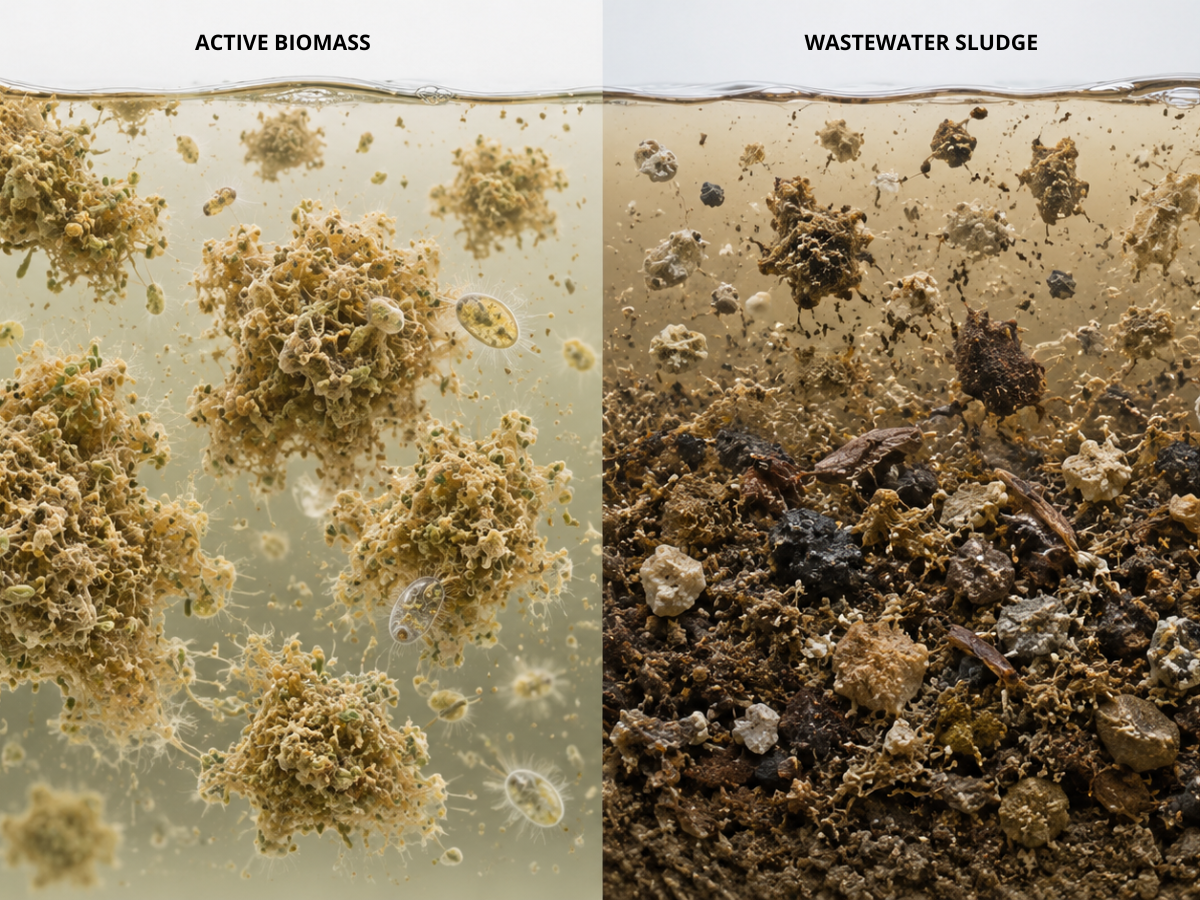
One of the most common misconceptions in wastewater treatment is that biomass and sludge are the same thing. While biomass is present within sludge, the two terms describe different components of the treatment process.
Biomass consists of living microorganisms actively participating in biological treatment.
Sludge is a mixture that may contain:
- Living biomass
- Dead microorganisms
- Partially degraded organic matter
- Undigested organic solids
- Inorganic and mineral solids
- Water
As microorganisms consume organic matter, they grow and reproduce. Older cells eventually die, becoming part of the residual solids within the system. Incoming wastewater also introduces organic and inorganic materials that may settle or accumulate before they are fully degraded. Over time, sludge therefore becomes a combination of active biomass, inactive biological material, and other accumulated solids. This distinction is important because more sludge does not necessarily mean more active biomass. A system can contain a significant sludge inventory while still having an unhealthy or insufficiently active microbial population. Understanding the difference helps operators evaluate biological treatment performance separately from solids accumulation and make better decisions about both process control and sludge management.
How Biomass Treats Wastewater
Biomass removes pollutants by using organic compounds in wastewater as a source of carbon and energy. Many complex organic compounds are too large to pass directly through microbial cell membranes. Microorganisms produce extracellular enzymes that break down organic waste into smaller, more accessible compounds that can be transported into the cells. Once absorbed, microorganisms metabolize these compounds to produce energy, maintain cellular activity, and support growth and reproduction.
Through this biological process, organic pollutants are converted into end products that may include:
- Carbon dioxide
- Water
- New microbial cells
- More stable organic compounds
- Methane and other gases under anaerobic conditions
As these microbial populations remain active, they help reduce biodegradable organic loading, lower BOD and COD, and stabilize organic solids within the treatment system. Treatment efficiency depends not simply on having microorganisms present, but on maintaining the environmental conditions that allow the appropriate microbial populations to remain active.
Where Biomass Exists in Wastewater Treatment Systems
Biomass is present in virtually every biological wastewater treatment process. Depending on the system design, microorganisms may remain suspended in the wastewater, attach to surfaces, settle with solids, or occupy different biological zones. Although treatment technologies differ, the fundamental role of biomass remains the same: microorganisms transform organic matter and other biodegradable contaminants through biological activity.
Activated Sludge Systems
In activated sludge systems, biomass remains suspended within the mixed liquor, where microorganisms continuously contact incoming wastewater. Aeration supplies oxygen and mixing, while solids separation and return activated sludge help maintain the microbial population needed for treatment.
Wastewater Lagoons
In wastewater lagoons, biomass exists throughout the water column and accumulated solids. Different microbial populations occupy aerobic, facultative, and anaerobic zones depending on dissolved oxygen, depth, organic loading, temperature, and mixing conditions. These biological zones can shift as operating and environmental conditions change.
Biofilm Reactors
In biofilm systems, microorganisms attach to media or other surfaces and develop biological films. Wastewater passes across or through these biofilms, allowing microorganisms to consume biodegradable contaminants. Examples include trickling filters, rotating biological contactors, and moving bed biofilm reactors (MBBRs).
Anaerobic Digesters
Anaerobic digesters rely on specialized microbial communities that function without free oxygen. Different groups of microorganisms work through sequential biological processes that ultimately convert biodegradable organic matter into methane, carbon dioxide, and stabilized residual material. Although these treatment processes maintain biomass differently, each depends on sustaining the microbial populations and environmental conditions required for effective biological treatment.
What Makes Healthy Biomass?
Healthy biomass is active, diverse, and capable of adapting to changing wastewater conditions. Rather than consisting of a single bacterial species, wastewater biomass contains diverse microbial communities, with different organisms performing different biological functions. Some microorganisms readily degrade simple organic compounds, while others specialize in breaking down fats, proteins, complex organics, or nitrogen compounds. This microbial diversity helps biological treatment systems remain more stable as wastewater characteristics and operating conditions change.
Several factors influence biomass health, including:
- Adequate dissolved oxygen in aerobic processes
- Stable pH
- Appropriate temperature
- Balanced nutrient availability
- Consistent organic loading
- Sufficient retention time
- Effective mixing and contact between biomass and wastewater
- Minimal exposure to toxic or inhibitory compounds
When these conditions remain within appropriate ranges, microbial populations can efficiently metabolize biodegradable pollutants and maintain more stable treatment performance.
Healthy biomass can contribute to:
- Consistent BOD removal
- Effective COD reduction
- Better solids settling
- Reduced odor potential
- Improved process stability
- More consistent effluent quality
Protecting the conditions that support healthy biomass should therefore be a central part of managing any biological wastewater treatment system.
What Causes Biomass to Decline?
Because biomass consists of living microorganisms, changes in wastewater characteristics or operating conditions can quickly affect microbial activity. Some disturbances temporarily reduce biological activity, while more severe conditions can damage microbial populations and lead to a biological upset.
Common causes of biomass stress include:
- Shock organic loading
- Toxic or inhibitory chemical discharges
- Low dissolved oxygen in aerobic systems
- Large or rapid pH fluctuations
- Temperature extremes
- Nutrient deficiencies or imbalances
- Hydraulic shock loading
- Extended aeration, mixing, or equipment failures
- Sudden changes in wastewater composition
As biomass becomes stressed, microorganisms may become less efficient at degrading incoming organic material. If the condition continues, treatment performance can deteriorate and biological recovery may take significantly longer.
Operators may begin to observe:
- Higher effluent BOD or COD
- Poor solids settling
- Increased suspended solids
- Persistent or increasing odors
- Foaming
- Changes in sludge characteristics
- Reduced treatment efficiency
- Longer recovery following process disturbances
Recognizing these warning signs early gives operators an opportunity to identify and correct the underlying condition before a temporary biological disturbance develops into a more serious treatment failure.
Biomass Growth and Sludge Production
Biomass growth and sludge production are closely connected. As microorganisms consume biodegradable organic matter, they use part of that material for energy and convert another portion into new microbial cells. As the microbial population grows, older cells eventually die, break down, or become part of the solids inventory. This means some biological solids production is a normal and unavoidable part of wastewater treatment.
However, sludge accumulation is influenced by more than microbial growth alone. Incoming suspended solids, inorganic material, organic loading, retention time, temperature, oxygen availability, and the degree of biological degradation all affect how quickly solids accumulate within a treatment system. Effective biological treatment can help reduce the accumulation of biodegradable organic solids by promoting more complete degradation and stabilization before those materials become part of the long-term sludge inventory. For operators, the objective is not to eliminate biomass growth or sludge production. It is to maintain biological conditions that maximize organic degradation while effectively managing the solids that remain.
Improving biological treatment and solids management together can reduce the operational burden associated with excessive sludge accumulation, including pumping, sludge hauling costs, dewatering, and disposal costs.
Biomass as an Indicator of Treatment Performance
Changes in biomass behavior can provide valuable early warning signs of declining biological treatment performance. Because microorganisms respond to changes in oxygen availability, organic loading, pH, temperature, nutrients, and toxic compounds, changes in the biological community may become visible before a significant deterioration in final effluent quality occurs.
Depending on the treatment system, operators may observe:
- Poor or changing solids settling
- Increased suspended solids
- Cloudy or turbid effluent
- Surface foaming
- Floating solids or sludge
- Changes in sludge color or appearance
- Increased odor production
- Changes in oxygen demand or dissolved oxygen behavior
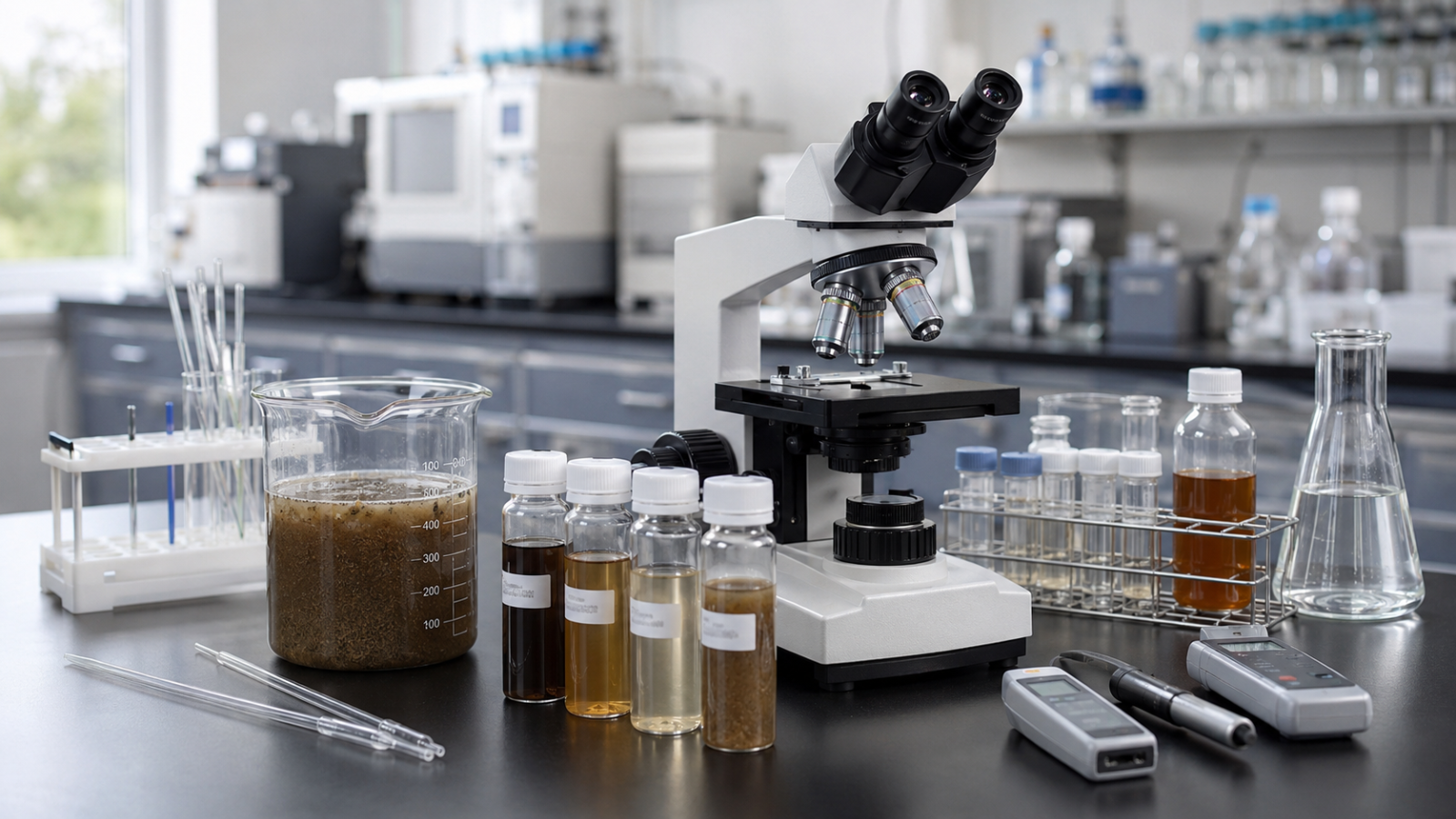
No single observation confirms a biomass problem. These indicators should be evaluated alongside operating data and recent changes in influent conditions. Routine dissolved oxygen and pH monitoring, laboratory testing, microscopic examination, sludge characteristics, loading data, and other process measurements can help operators determine whether changes are biological, hydraulic, mechanical, or chemical in origin.
Tracking these indicators over time is particularly valuable because trends often provide more useful information than a single measurement. Monitoring biomass health should therefore be viewed as part of preventive process control—helping operators identify developing problems and correct operating conditions before treatment performance deteriorates significantly.
Why Biomass Management Matters in Wastewater Treatment
Modern wastewater treatment systems rely on pumps, aeration equipment, mixers, instrumentation, clarifiers, and process controls to maintain effective treatment conditions. In biological treatment systems, much of this infrastructure serves an important purpose: creating and maintaining the environment microorganisms need to function effectively.
Aeration supplies oxygen to aerobic biomass. Mixing improves contact between microorganisms and organic matter. Pumps move wastewater and solids through the treatment process. Process controls help operators maintain conditions such as dissolved oxygen, retention time, loading, and solids inventory. But equipment alone does not remove biodegradable pollutants. The biological transformations are performed by the microorganisms within the treatment system. This is why successful wastewater treatment requires operators to manage both the physical process and the biological process.
A treatment system can have properly functioning equipment and still experience declining performance if biomass is stressed by toxic compounds, nutrient deficiencies, shock loading, temperature changes, low dissolved oxygen, or other unfavorable conditions. Likewise, healthy microbial populations cannot perform effectively if mechanical systems fail to provide the oxygen, mixing, retention time, or hydraulic conditions they require.
Viewing biomass as a living biological asset helps operators evaluate wastewater treatment as an interconnected system rather than focusing exclusively on individual pieces of equipment. Effective treatment ultimately depends on maintaining the conditions that allow both the equipment and the biology to work together.
The Bottom Line
Biomass is the living foundation of biological wastewater treatment. These microbial communities perform the biological work of breaking down organic pollutants, stabilizing organic matter, and supporting consistent treatment performance. Biomass should not be confused with sludge. Biomass represents the living microorganisms actively participating in treatment, while sludge contains a combination of living biomass, dead biological material, organic and inorganic solids, and water.
Maintaining healthy biomass requires more than simply having microorganisms present. Dissolved oxygen, pH, temperature, nutrients, organic loading, retention time, mixing, and exposure to inhibitory compounds all influence how effectively microbial populations perform. For operators, the key is to manage wastewater treatment as a biological system. Monitoring changes in biomass behavior alongside operating conditions can help identify developing problems earlier, improve process stability, support effective solids management, and maintain more consistent effluent quality.
Protecting biomass means protecting the biological process that makes wastewater treatment work.
Frequently Asked Questions
What is biomass in wastewater treatment?
Biomass is the living community of microorganisms responsible for biological wastewater treatment. It consists primarily of bacteria but can also include protozoa, fungi, algae, archaea, and other microorganisms that help break down organic pollutants and perform other biological treatment functions.
Is biomass the same as sludge?
No. Biomass refers to the living microorganisms actively participating in treatment. Sludge contains both living biomass and non-living materials, including dead microorganisms, partially degraded organic matter, inorganic solids, mineral particles, and water.
Why is biomass important in wastewater treatment?
Biomass performs the biological work that removes biodegradable organic pollutants from wastewater. Healthy, active microbial populations support BOD and COD reduction, organic matter stabilization, solids settling, process stability, and consistent effluent quality.
What causes biomass to become unhealthy?
Biomass can become stressed by low dissolved oxygen, shock organic loading, toxic or inhibitory chemicals, rapid pH changes, temperature extremes, nutrient imbalances, hydraulic overload, equipment failures, or sudden changes in wastewater composition.
Can healthy biomass reduce sludge accumulation?
Effective biological activity can help reduce the accumulation of biodegradable organic solids by promoting greater degradation and stabilization of organic material within the treatment process. However, some sludge production is unavoidable because microbial growth itself produces biological solids, and wastewater may also contain inorganic or non-biodegradable material that microorganisms cannot eliminate.
Is Your Biological Treatment System Performing as It Should?
Changes in sludge accumulation, odors, settling, effluent quality, or treatment stability may indicate that biological conditions within your wastewater system need attention. Drylet’s technical team can evaluate your current treatment conditions, operational challenges, and solids management goals to help identify opportunities for improving biological performance.
Request a Free Technical Wastewater Assessment
Stay Ahead of Wastewater Treatment Challenges
S2: Systems and Solids delivers practical insights on biological wastewater treatment, sludge and solids management, lagoon performance, industrial wastewater, and real-world treatment strategies. Get technical wastewater insights and new resources from Drylet delivered directly to your inbox.
Subscribe to S2: Systems and Solids
Interested in Becoming a Drylet Distributor?
Drylet is expanding its distributor network across industrial wastewater, food processing, agriculture, rendering, FOG, and wastewater treatment markets. Join a growing network delivering science-based biological treatment solutions.