How to Reduce Sludge Hauling Costs in Industrial Wastewater Systems
Struggling with Rising Sludge Hauling Costs?
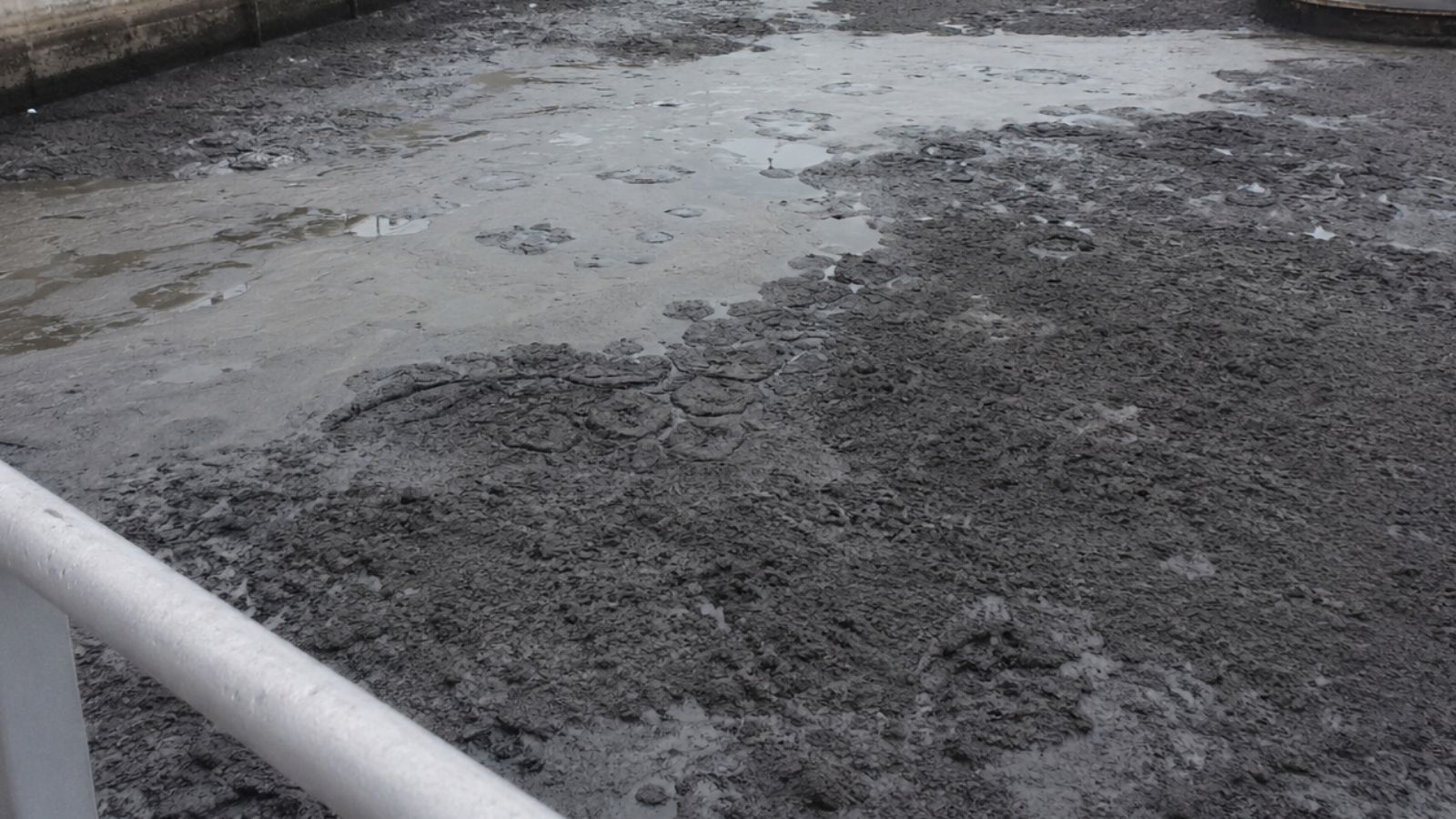
Sludge hauling is one of the most persistent and escalating costs in industrial wastewater treatment. In high-strength systems—such as food processing, protein production, rendering, and manufacturing—solids accumulation rarely stabilizes on its own. Instead, hauling frequency tends to increase gradually as biological limitations and system constraints compound over time.
Request a Technical Assessment to evaluate how much sludge your system could eliminate before it ever requires hauling.
Why Sludge Hauling Costs Increase Over Time
In most industrial systems, rising hauling costs are not driven by disposal pricing alone. They are the result of a system that is producing solids faster than it can biologically reduce them.
Wastewater treatment, at its core, is a biological process. Organic material enters the system and is metabolized by microorganisms into gas, new biomass, and treated effluent. When this process is incomplete or inefficient, residual solids accumulate as sludge.
Over time, that imbalance becomes operationally visible:
- Sludge depths increase
- Treatment performance declines
- Hauling frequency rises
This pattern is often consistent with the mechanisms outlined in what causes sludge buildup in wastewater lagoons, where accumulation is tied directly to loading, biology, and system conditions.
Key Drivers of Excess Sludge Production
Biological Limitations in High-Strength Wastewater
Industrial wastewater streams are rarely simple. Fats, oils, grease (FOG), proteins, and complex organics require more specialized and sustained biological activity to break down effectively.
When microbial populations are not fully adapted or distributed throughout the sludge mass, digestion remains incomplete. Instead of being converted into gas, material remains in the system as accumulated solids.
This is particularly common in:
- Lagoons with long-established sludge layers
- Systems with fluctuating organic loading
- Basins with poor mixing or oxygen distribution
FOG and Dense Solids Accumulation
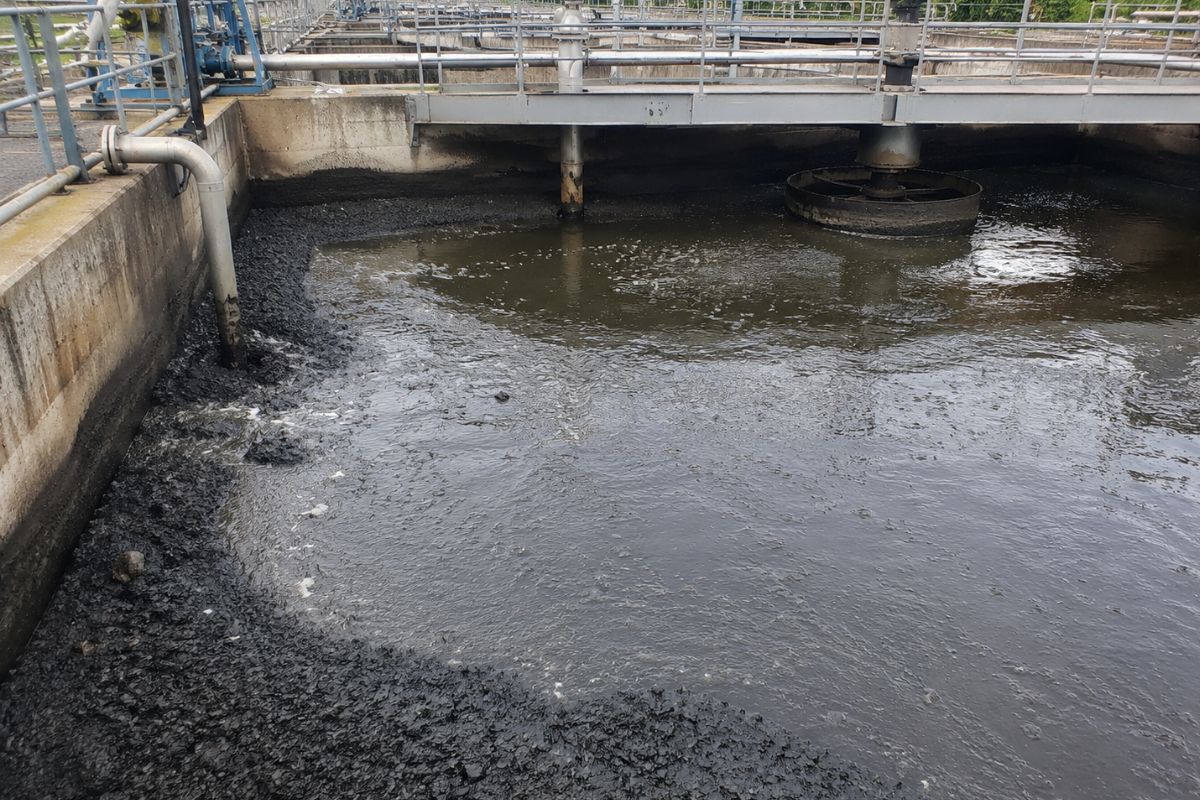
FOG and protein-heavy waste streams contribute disproportionately to sludge volume. These materials tend to stratify within the system:
- Lighter fractions accumulate at the surface
- Heavier fractions settle and compact at the bottom
- Intermediate layers become increasingly dense over time
This layered structure limits biological contact and slows degradation, accelerating sludge accumulation even in systems that appear otherwise functional.
Loss of Effective Treatment Volume
As sludge accumulates, it reduces the volume available for treatment. This directly impacts hydraulic retention time, which governs how long wastewater remains in the system for biological processing.
When retention time decreases:
- Biological processes become less effective
- Solids carryover increases
- Downstream systems experience higher loading
This relationship is explained in more detail in wastewater lagoon retention time explained, where reduced volume translates directly into reduced treatment capacity.
Reactive Maintenance Cycles
Many facilities operate in a reactive pattern: sludge is removed only after it begins to interfere with performance.
Dredging or hauling temporarily restores capacity, but without addressing biological limitations, solids begin accumulating again immediately. Over time, the interval between cleanouts shortens, and total lifecycle cost increases.
A full breakdown of these costs can be found in cost of dredging a wastewater lagoon, where removal is shown to address symptoms rather than underlying causes.
The True Cost of Sludge Hauling
Sludge hauling is often viewed as a straightforward disposal expense, but the total cost extends beyond transportation.
Direct costs include:
- Hauling and disposal fees
- Dewatering and polymer usage
- Contractor mobilization
Indirect costs are frequently more impactful:
- Operational disruption during removal
- Labor required for coordination
- Reduced treatment performance during high solids conditions
- Increased chemical demand in downstream processes
These combined costs make sludge hauling one of the most expensive recurring activities in wastewater management.
A More Effective Strategy: Reduce Sludge at the Source
The most effective way to reduce hauling costs is to reduce the amount of sludge produced within the system.
This requires improving biological efficiency—ensuring that a greater portion of incoming organic material is fully metabolized rather than accumulating.
In optimized systems, microorganisms convert organic waste into gas and stable end products, significantly reducing residual solids. This process is described in how biological sludge reduction works in wastewater lagoons, where improved digestion directly correlates with lower sludge volume.
Operational Strategies That Deliver Measurable Reduction
Enhancing Biological Activity
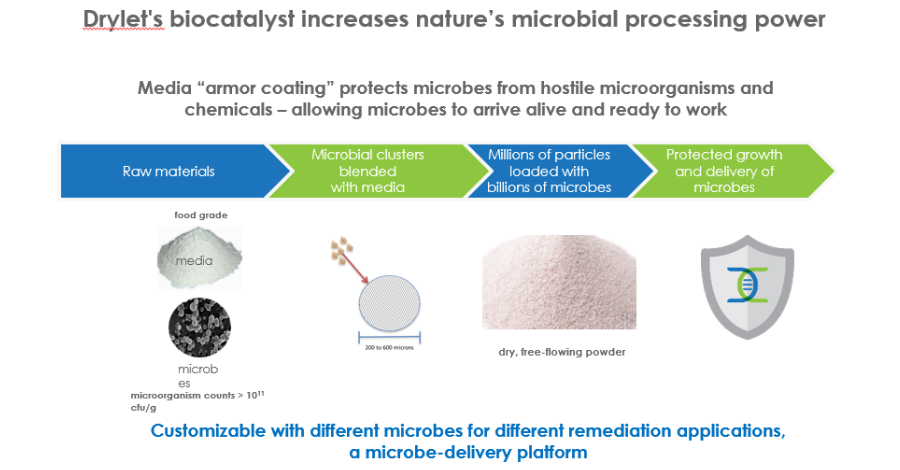
Improving microbial performance increases the rate and extent of solids digestion. When biological populations are active throughout the sludge layer—not just in the water column—more material is broken down before it can accumulate.
This reduces both sludge volume and the rate at which new solids are formed.
Targeting FOG and Complex Organics
Because FOG and proteins are major contributors to sludge accumulation, improving their degradation has an outsized impact on overall system performance.
As these materials are broken down:
- Surface layers diminish
- Sludge density decreases
- Biological access improves throughout the system
Restoring System Capacity
Reducing sludge buildup restores lost treatment volume, which improves retention time and stabilizes system performance. This often delays or eliminates the need for capital-intensive expansion or frequent dredging.
Using Data to Guide Intervention
Sludge accumulation is rarely uniform. Without measurement, operators may overestimate or underestimate the severity of the problem.
Techniques described in lagoon sludge mapping and survey methods allow facilities to:
- Identify high-solids zones
- Quantify total sludge volume
- Target treatment strategies more effectively
Case Study: Measurable Reduction in Sludge and Operating Costs
A municipal wastewater facility operating at approximately 4 MGD implemented a biological optimization program to address rising sludge handling costs and declining performance.
Prior to implementation, the facility experienced:
- High biosolids production
- Increasing hauling frequency
- Elevated polymer and chemical usage
Following optimization of biological activity within the system, the facility observed:
- 25–33% reduction in biosolids production
- 32% reduction in bleach usage for disinfection
- Reduced polymer consumption and labor requirements for sludge processing
The reduction in solids directly translated into fewer hauling events and measurable cost savings, without requiring new infrastructure or mechanical modifications.
This type of outcome is consistent with broader field results, where facilities commonly achieve up to 60% reductions in sludge volume as demonstrated in this industrial wastewater sludge reduction case study.
When to Evaluate Sludge Reduction Strategies
Facilities should consider a shift in approach if they are experiencing:
- Increasing sludge hauling frequency
- Rising disposal and chemical costs
- Declining treatment performance
- Reduced effective system volume
- Planning for dredging or expansion
These conditions indicate that solids production is exceeding biological reduction capacity.
Sludge hauling is an unavoidable part of wastewater treatment—but its frequency and cost are not fixed. Facilities that focus on improving biological efficiency and reducing solids accumulation at the source can significantly lower hauling costs while improving system performance and stability.
The most effective strategy is not to manage sludge more efficiently after it forms, but to reduce how much is produced in the first place.
Want to quantify how much sludge your system could eliminate before hauling it?

FAQ
How can industrial facilities reduce sludge hauling costs?
By improving biological digestion efficiency so more solids are broken down within the system instead of accumulating.
Why does sludge return quickly after dredging?
Because dredging removes accumulated solids but does not address the biological limitations that caused the buildup.
What types of wastewater produce the most sludge?
High-strength waste streams containing FOG, proteins, and complex organics typically generate the highest sludge volumes.
Can sludge reduction delay capital upgrades?
Yes. By restoring effective treatment volume and improving system performance, sludge reduction can extend the life of existing infrastructure.