Why Food Processing Lagoons Accumulate Sludge Quickly
The Hidden Operational Problems Behind Rapid Solids Buildup in Industrial Wastewater Lagoons
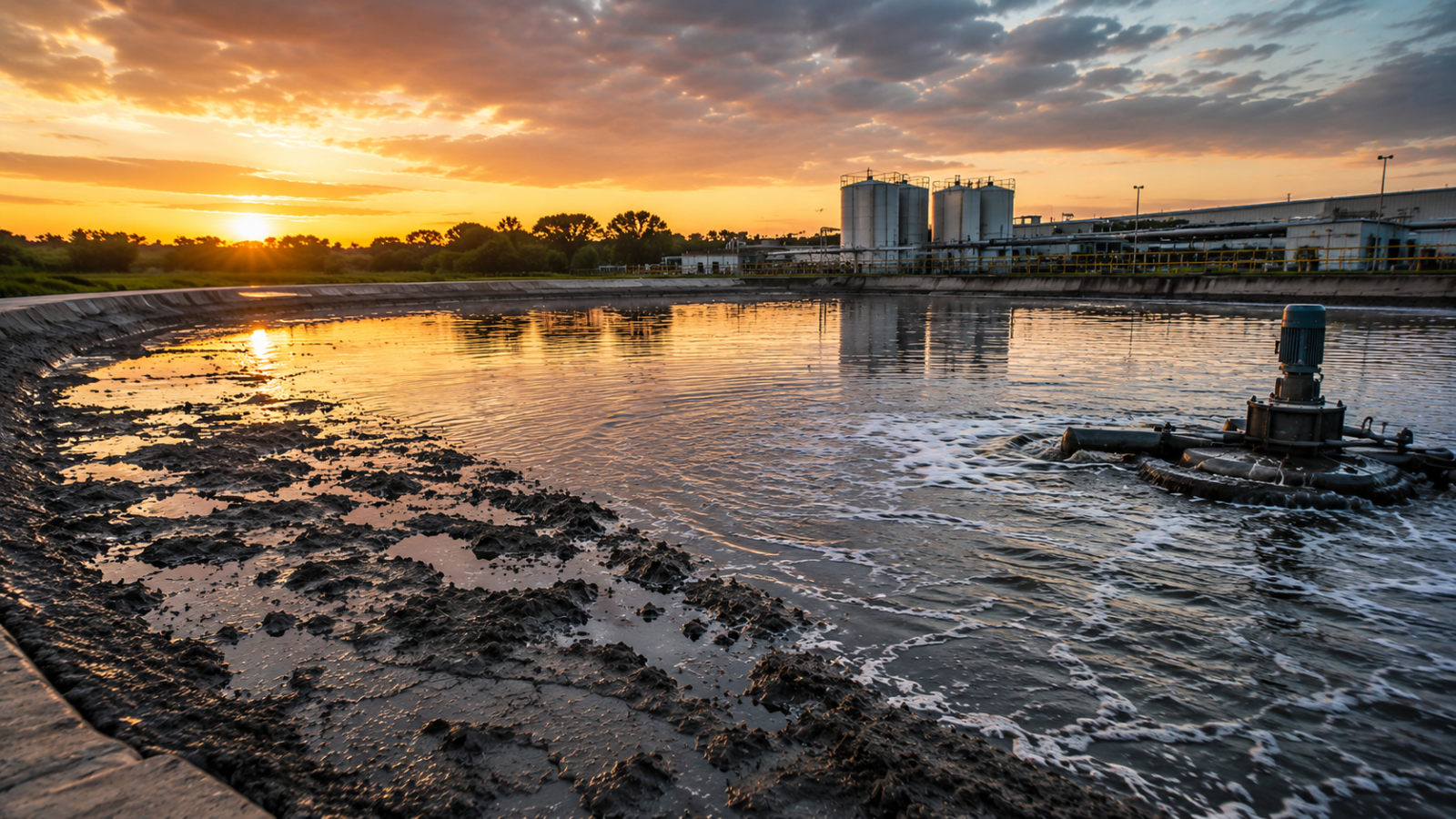
Food processing wastewater lagoons are designed to provide biological treatment, equalization, and long-term operational stability. But in many facilities, sludge accumulation begins occurring far faster than operators originally expected.
A lagoon designed for decades of service life can begin losing effective treatment capacity in just a few years when solids loading exceeds biological destruction rates. As sludge accumulates, operators often begin seeing rising odors, increasing hauling costs, poor effluent quality, fat cap formation, short-circuiting, and declining overall treatment performance.
For food and beverage facilities, this is rarely caused by a single operational failure. Rapid sludge accumulation is usually the result of several system conditions occurring simultaneously:
- High organic loading
- FOG accumulation
- Poor mixing or aeration
- Hydraulic surges
- Seasonal production variability
- Incomplete biological digestion
- Anaerobic dead zones
- Insufficient sludge management planning
Without intervention, sludge accumulation becomes cumulative. The thicker the sludge layer becomes, the harder it is for biological activity to keep up.
Request a Lagoon Sludge Assessment
If your lagoon is losing treatment capacity, developing fat caps, or approaching dredging discussions, Drylet’s biological treatment programs help facilities reduce accumulated solids while improving lagoon performance.
👉 Request a Technical Assessment
Why Food Processing Wastewater Produces Heavy Sludge Loads
Food processing facilities generate some of the highest-strength wastewater streams in industrial treatment.
Unlike municipal systems, food plants frequently discharge concentrated organic waste containing:
- Proteins
- Blood
- Sugars
- Starches
- Carbohydrates
- Oils and grease
- Suspended solids
- Fibers and pulp
- Dairy solids
- Residual product losses
These materials carry extremely high biochemical oxygen demand (BOD) and chemical oxygen demand (COD), which directly increase biological solids production.
As microorganisms consume these organics, biomass reproduction increases rapidly. While biological growth is necessary for treatment, excessive solids generation eventually exceeds the lagoon’s ability to naturally digest accumulated sludge.
Facilities often underestimate how quickly this imbalance develops. In many food processing systems, sludge accumulation accelerates because production growth occurs long before lagoon infrastructure upgrades are considered.
The Role of FOG in Sludge Accumulation
FOG (fats, oils, and grease) is one of the largest contributors to rapid lagoon solids buildup in food processing wastewater systems.
FOG behaves differently than soluble organic material. Instead of remaining suspended and easily biodegradable, grease often:
- Floats to the surface
- Forms floating fat caps
- Traps suspended solids
- Reduces oxygen transfer
- Creates anaerobic zones
- Restricts mixing
- Slows biological digestion
Over time, these layers become increasingly difficult to break down naturally. Many operators initially assume visible fat caps are only surface problems. In reality, surface grease accumulation is often a warning sign that deeper sludge digestion problems already exist underneath. Facilities processing meat, poultry, dairy, oils, rendering byproducts, or prepared foods commonly experience accelerated sludge accumulation because grease loading remains continuous.
For many lagoons, sludge buildup below the surface becomes severe long before operators visually recognize the extent of the issue.
For additional insight into FOG-related operational impacts, read: Why FOG (Fats, Oils, and Grease) Disrupts Wastewater Treatment Systems
Hydraulic Retention Time Slowly Disappears
One of the most damaging effects of sludge accumulation is the gradual loss of hydraulic retention time (HRT). Wastewater lagoons rely on retention time to allow biological treatment to occur properly. As sludge occupies more lagoon volume, usable treatment capacity decreases.
This creates several operational problems:
- Reduced biological contact time
- Increased organic carryover
- Higher TSS in discharge
- Short-circuiting
- Reduced settling efficiency
- Increased aeration demand
- Higher odor generation potential
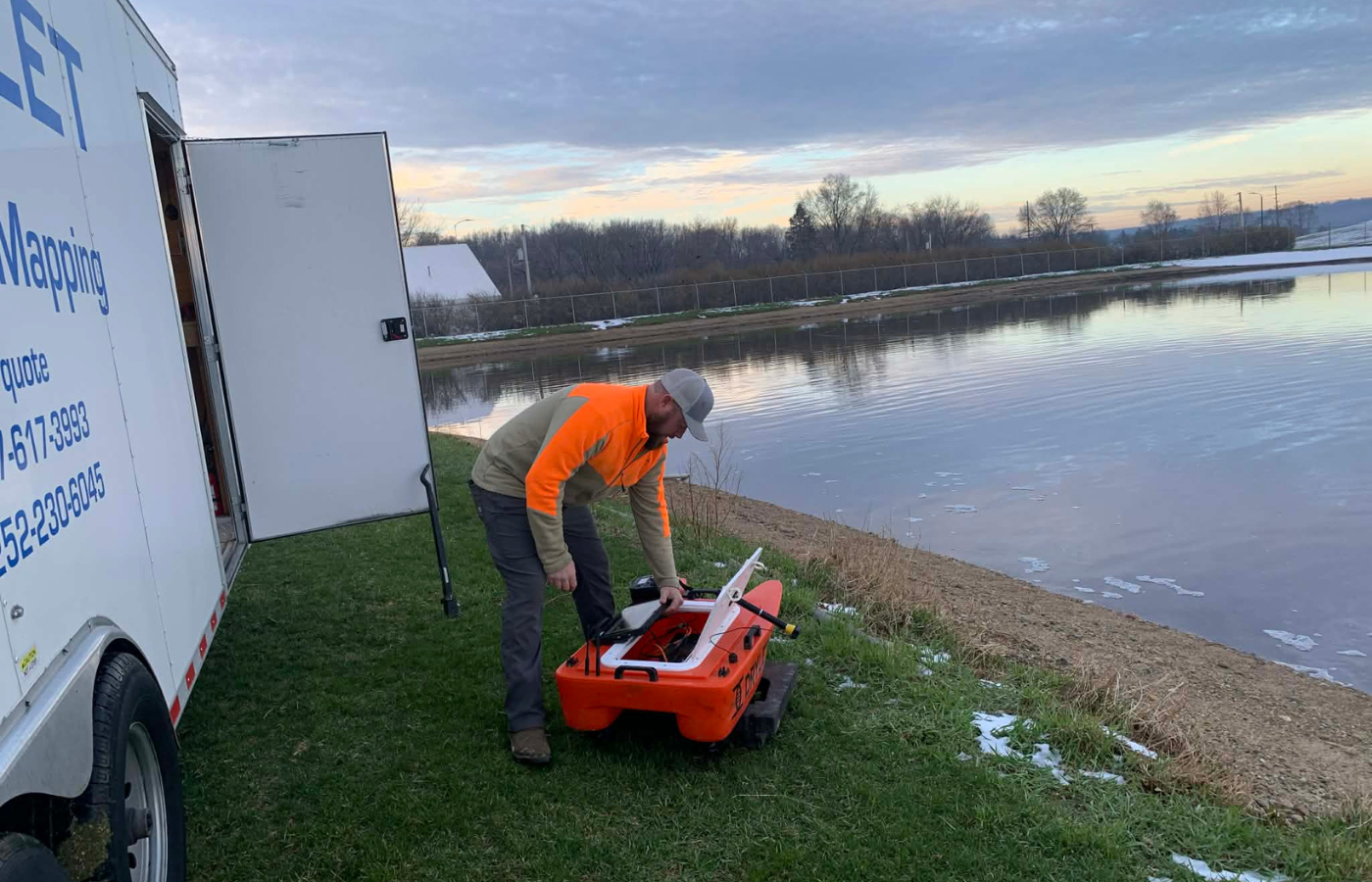
Many facilities continue operating normally while actual effective lagoon volume steadily shrinks year after year. By the time effluent quality begins noticeably declining, sludge accumulation may already be severe. This is one reason sludge mapping is becoming increasingly important for industrial lagoon systems.
Food Processing Lagoons Often Experience Biological Imbalance
Biological treatment systems function best when microbial populations remain balanced and active throughout the lagoon.
In food processing lagoons, several operational conditions commonly disrupt biological efficiency:
Organic Shock Loading
Production surges, sanitation cycles, dump events, and cleaning operations can dramatically increase loading over short periods.
These rapid fluctuations can overwhelm microbial populations and reduce treatment stability.
Temperature Variability
Cold weather significantly slows biological digestion rates, particularly in anaerobic lagoons.
During colder months:
- Sludge digestion slows
- Grease hardens
- Oxygen transfer decreases
- Solids destruction rates decline
Meanwhile, solids loading often continues unchanged.
Oxygen Transfer Limitations
In aerated lagoons, oxygen transfer frequently becomes less efficient as sludge thickens. Accumulated solids increase oxygen demand while simultaneously reducing mixing effectiveness. This creates low-oxygen zones where digestion efficiency drops significantly.
Stratification and Dead Zones
Poor circulation allows solids to settle unevenly throughout the lagoon. These dead zones become areas of chronic sludge accumulation where biological activity remains limited. Over time, portions of the lagoon may contribute very little actual treatment capacity despite appearing operational from the surface.
Why Mechanical Dredging Is Not Always the Best First Option
Once sludge accumulation becomes severe, many facilities begin evaluating mechanical dredging. While dredging can physically remove solids, it also presents major operational and financial challenges:
- Extremely high project costs
- Production disruption
- Dewatering requirements
- Transportation expenses
- Odor complaints
- Regulatory complexity
- Potential biological upset
- Loss of established microbial ecosystems
For anaerobic lagoons especially, dredging can severely disrupt the biological environment that operators rely on for treatment performance. Many facilities now evaluate biological sludge reduction strategies before moving directly into large-scale dredging projects.
Related article: Alternatives to Lagoon Dredging
How Biological Sludge Reduction Helps Restore Lagoon Capacity
Biological sludge reduction focuses on increasing the destruction rate of accumulated organic solids inside the lagoon itself.
Rather than simply masking symptoms, properly designed biological programs help accelerate:
- Hydrolysis
- Organic solids digestion
- Sludge mineralization
- FOG degradation
- Biological activity throughout sludge layers
Drylet’s biological treatment technologies utilize a patented carrier system designed to deliver bacteria directly into sludge accumulations rather than remaining suspended only in the water column.
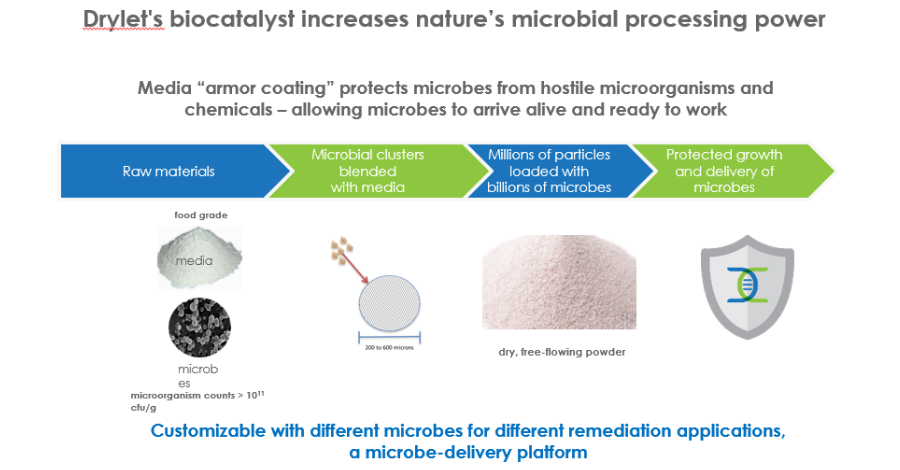
This approach helps increase contact between microbial populations and accumulated organic solids.
Facilities implementing biological sludge reduction programs commonly pursue goals such as:
- Extending lagoon lifespan
- Delaying or avoiding dredging
- Improving hydraulic retention time
- Reducing odors
- Lowering sludge hauling frequency
- Improving lagoon stability
- Restoring treatment efficiency
In many systems, biological treatment becomes part of a long-term lagoon maintenance strategy rather than a temporary corrective action.
Early Warning Signs Your Lagoon Is Accumulating Sludge Too Quickly
Many facilities wait until treatment performance declines significantly before investigating sludge accumulation.
However, several warning signs often appear much earlier:
- Rising sludge blanket depths
- Persistent fat caps
- Increased odors
- Higher aeration energy demand
- Reduced dissolved oxygen
- Poor mixing patterns
- Floating solids
- Effluent TSS increases
- Short-circuiting
- Seasonal treatment instability
- Reduced storage capacity
Ignoring these indicators often allows solids accumulation to compound for years.
Routine sludge monitoring and biological performance evaluations are critical for maintaining long-term lagoon efficiency.
Related reading: Signs Your Industrial Wastewater System Is Overloaded
Long-Term Lagoon Management Requires Active Solids Control
Food processing lagoons cannot remain efficient indefinitely without active sludge management. Every wastewater lagoon accumulates solids. The operational difference is how quickly those solids accumulate versus how effectively they are biologically destroyed. Facilities that proactively manage sludge accumulation typically experience:
- Longer lagoon service life
- Lower maintenance costs
- Reduced hauling frequency
- Improved treatment stability
- Better odor control
- Fewer emergency cleanouts
- More predictable compliance performance
As wastewater loading increases across modern food processing operations, biological optimization is becoming increasingly important for maintaining lagoon capacity without major capital expansion.
Talk to Drylet About Lagoon Sludge Reduction
Drylet works with industrial food processing facilities, meat processors, rendering operations, dairy plants, and other high-strength wastewater systems to help reduce sludge accumulation and improve lagoon performance.
Whether your facility is experiencing heavy solids buildup, fat cap formation, odor problems, or declining retention time, biological treatment may help restore lagoon efficiency while delaying costly dredging projects.

Frequently Asked Questions
Why do food processing lagoons accumulate sludge faster than municipal lagoons?
Food processing wastewater typically contains much higher concentrations of organics, FOG, proteins, sugars, and suspended solids than municipal wastewater. These elevated loading rates accelerate biomass production and sludge accumulation.
What causes fat caps in industrial lagoons?
Fat caps form when oils, grease, and floating organic solids accumulate on the lagoon surface faster than biological activity can degrade them. Poor mixing, low oxygen levels, and high grease loading often contribute to fat cap formation.
Can biological treatment reduce lagoon sludge?
Yes. Biological sludge reduction programs are designed to accelerate the breakdown of accumulated organic solids inside lagoons. Properly designed systems may help reduce sludge volume, improve lagoon performance, and delay dredging.
How do operators know when sludge buildup is becoming a problem?
Common warning signs include odors, reduced retention time, floating solids, poor effluent quality, increasing aeration demand, fat caps, and declining treatment performance. Sludge mapping surveys are often used to measure accumulation severity.