The Growth Cycle of Wastewater Microorganisms: From Startup to Stable Treatment
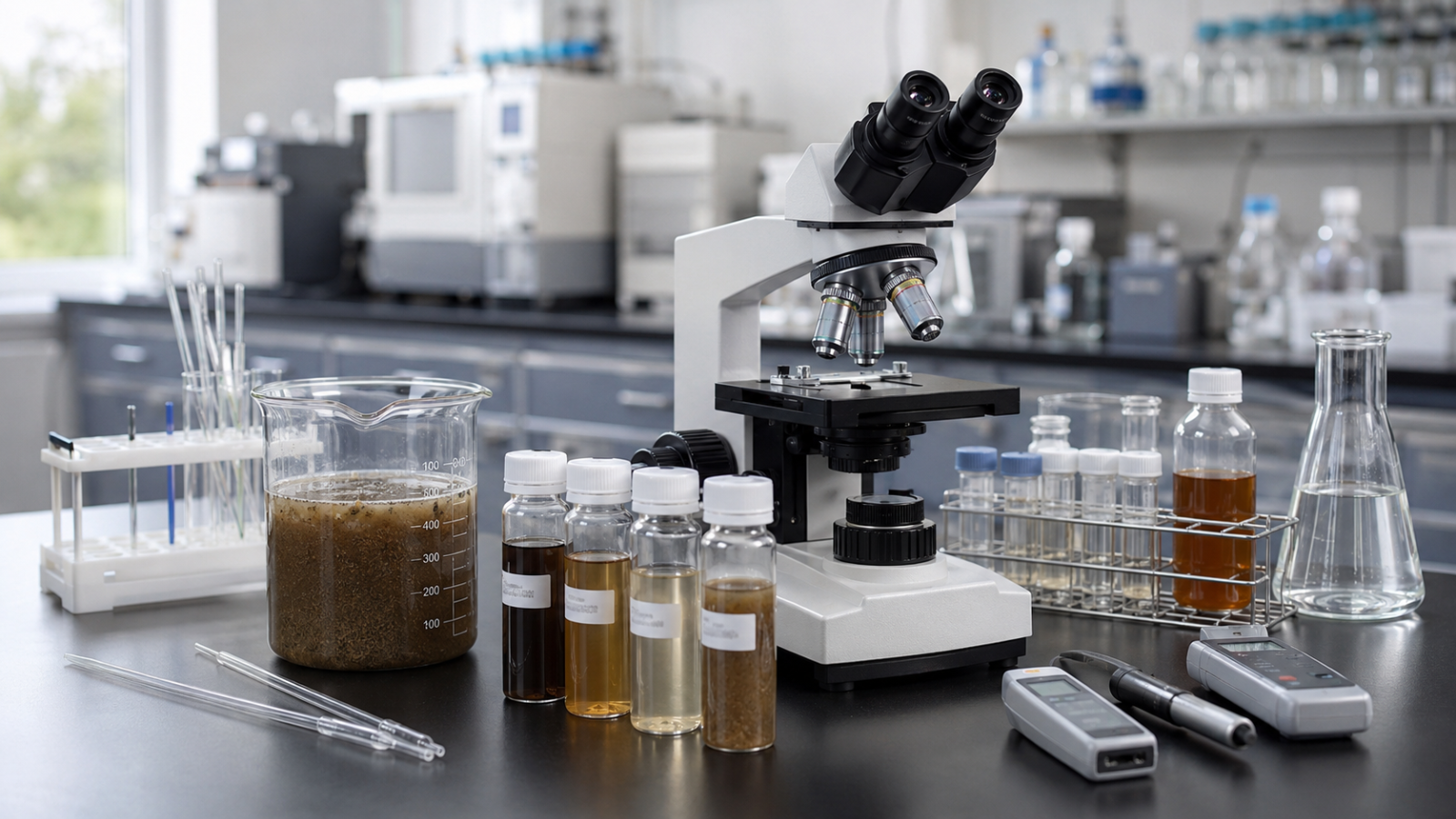
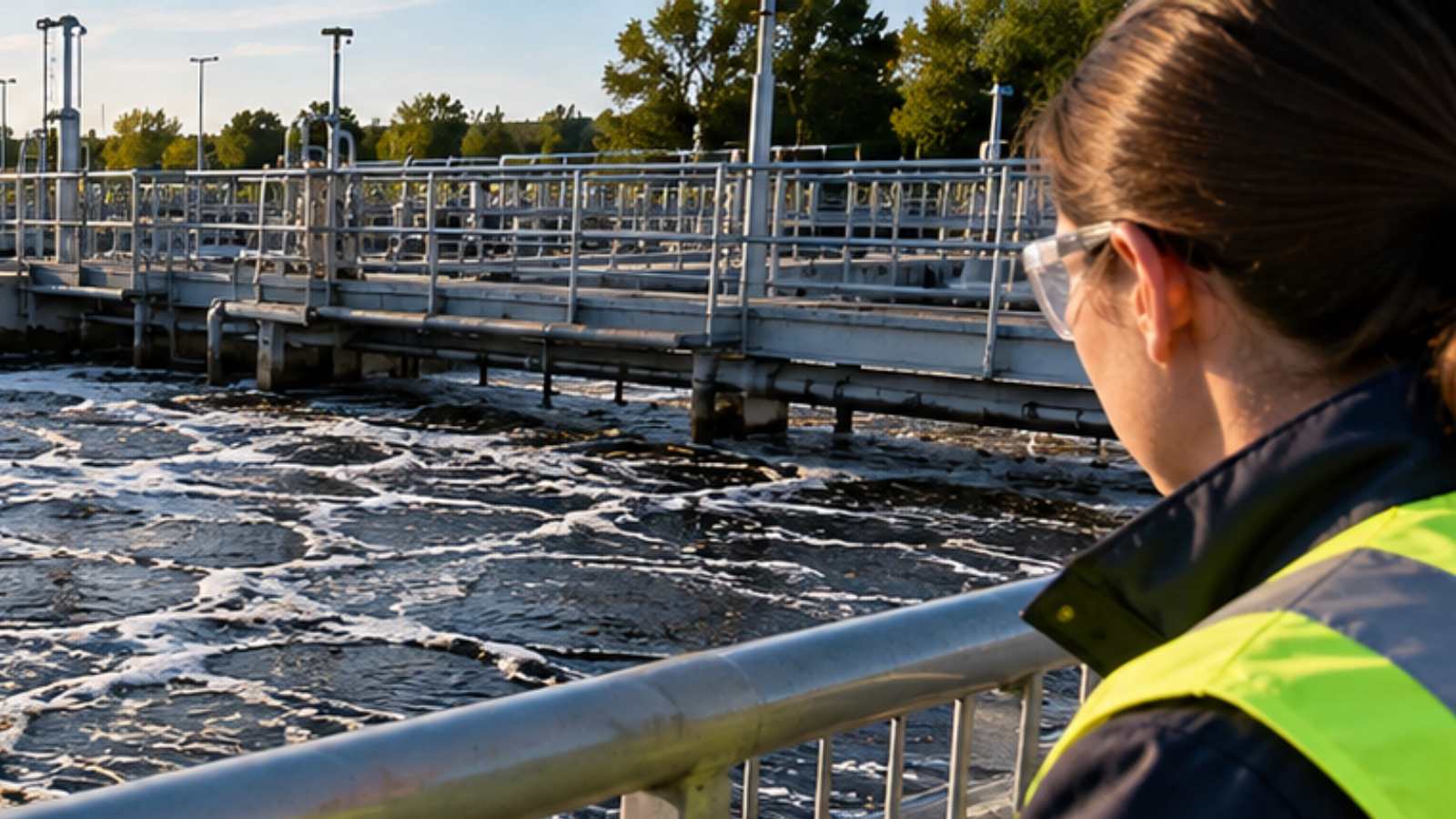
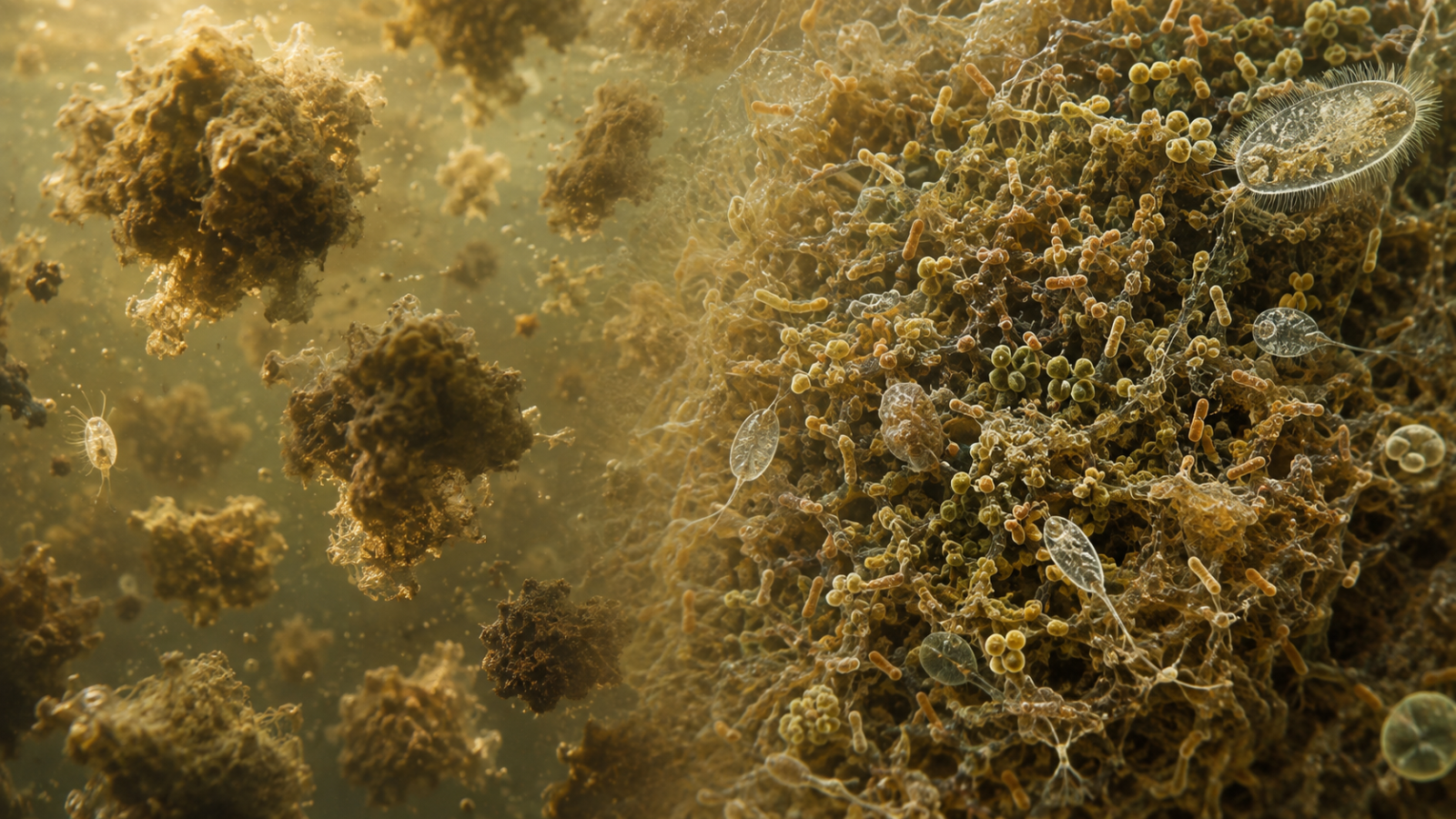
Biological wastewater treatment is a dynamic process. The microorganisms responsible for removing organic pollutants are constantly growing, reproducing, adapting, and responding to changing environmental conditions. Healthy microbial communities are never static, they continuously evolve as wastewater characteristics, operating conditions, and available nutrients change.
Understanding the microbial growth cycle in wastewater treatment is essential for maintaining reliable biological performance. Whether starting a new biological system, recovering from a biological upset, or optimizing an existing treatment process, operators who understand how microbial populations develop over time are better equipped to maintain stable treatment and identify developing problems.
Like all living organisms, wastewater microorganisms progress through predictable stages of growth. Each stage has distinct biological characteristics that influence treatment efficiency, biomass production, nutrient removal, solids generation, and overall system stability. Recognizing these microbial growth phases helps operators understand what is happening inside the treatment system and why biological performance may change as operating conditions change.
Key Takeaways
Wastewater microorganisms progress through four primary growth phases: lag, exponential, stationary, and decline. Each phase reflects changes in microbial activity, reproduction, substrate availability, and environmental conditions.
Understanding these microbial growth phases helps operators:
- Set realistic expectations during biological system startup.
- Recognize why recovery after a biological upset takes time.
- Understand changes in biomass growth and solids production.
- Maintain conditions that support stable biological treatment.
- Identify developing process problems before treatment performance significantly declines.
In full-scale wastewater treatment systems, these phases do not occur as neatly as they do in laboratory cultures. Different microbial populations may be experiencing different growth conditions at the same time as influent characteristics and operating conditions continually change.
Why the Microbial Growth Cycle Matters
Wastewater treatment systems do not instantly reach stable biological performance. When microorganisms encounter a new environment or significant changes in wastewater characteristics, they require time to adapt. As the microbial community becomes established, biological activity and biomass growth increase until the system reaches a more stable balance between microorganisms, available organic matter, nutrients, and environmental conditions.
That balance can shift whenever organic loading, dissolved oxygen, temperature, pH, nutrient availability, hydraulic conditions, or wastewater composition changes.
Understanding the microbial growth cycle helps operators explain why:
- New biological systems require startup and acclimation periods.
- Biological recovery takes time after an upset.
- Biomass and solids production can change with organic loading and operating conditions.
- Treatment performance may fluctuate as microbial populations adapt.
- Mature biological systems generally respond differently than newly established systems.
- Operational changes may not produce immediate biological results.
Viewing wastewater treatment as a living biological process, not simply a mechanical process helps operators interpret process changes and make better long-term operating decisions.
The Four Stages of Microbial Growth
Although wastewater treatment systems contain thousands of different microorganisms, microbial populations generally progress through four predictable growth phases. Each phase represents a different balance between bacterial reproduction, available nutrients, and environmental conditions. Understanding these phases allows operators to anticipate biological behavior instead of reacting only after treatment performance changes.
Stage 1: The Lag Phase
The lag phase begins when microorganisms are introduced into a new environment or encounter a significant change in wastewater characteristics or operating conditions. During this period, microorganisms are alive and metabolically active, but rapid population growth has not yet begun. Instead, the microbial community is acclimating to its environment and preparing for increased growth.
During the lag phase, microorganisms may be:
- Adapting to wastewater characteristics.
- Producing enzymes needed to break down available organic compounds.
- Adjusting metabolic pathways to available substrates.
- Repairing cellular damage.
- Responding to changes in temperature, pH, dissolved oxygen, or nutrient availability.
- Preparing for increased reproduction and biomass growth.
Because microbial reproduction remains relatively slow during this phase, operators may see limited improvement in treatment performance and assume the biology is not responding. In reality, important biological activity may already be occurring as microorganisms acclimate to the wastewater and develop the metabolic capabilities needed to utilize available organic matter. The duration of the lag phase depends on factors such as wastewater composition, temperature, pH, dissolved oxygen, nutrient availability, organic loading, and the condition of the existing microbial community. Significant changes in these conditions can extend the acclimation period and delay the development of stable biological treatment.
Stage 2: The Exponential Growth Phase
Once microorganisms have successfully acclimated to their environment and sufficient biodegradable organic matter is available, they can enter the exponential growth phase. During this stage, microbial populations reproduce rapidly as microorganisms consume available organic substrates. Under favorable conditions, bacterial cells divide through binary fission, causing biomass to increase quickly.
The exponential growth phase is typically characterized by:
- Rapid microbial reproduction.
- High biological activity.
- Rapid consumption of readily biodegradable organic matter.
- Increasing biomass production.
- High oxygen demand in aerobic systems.
- Increased nutrient demand as microbial populations expand.
As microorganisms consume biodegradable organic matter, BOD and biodegradable fractions of COD can decrease significantly. However, rapid microbial growth also produces additional biomass that must ultimately be managed within the treatment process. For operators, this is an important distinction: maximum microbial growth is not necessarily the same as maximum process stability.
Exponential growth cannot continue indefinitely. As readily available substrate becomes limited, environmental conditions change, or competition within the microbial community increases, the rate of microbial reproduction begins to slow and the population moves toward a more stable condition.
Stage 3: The Stationary Phase
As available substrate becomes more limited relative to the microbial population, the rate of microbial growth begins to slow. In the classic microbial growth cycle, this leads to the stationary phase, where the overall rate of new cell growth approaches the rate of cell loss. Rather than continuing rapid population expansion, the microbial community reaches a more balanced condition.
In wastewater treatment, the stationary phase helps illustrate an important operational principle: stable treatment depends on maintaining an appropriate balance between microbial biomass, available organic matter, and environmental conditions.
Under stable biological conditions, operators may observe:
- More consistent BOD and biodegradable COD removal.
- A relatively stable biomass inventory.
- More predictable solids production.
- Consistent treatment performance.
- Greater resilience to routine fluctuations in influent conditions.
Microorganisms remain metabolically active during this period. They continue consuming biodegradable organic matter even though the overall microbial population is no longer increasing at the rapid rate associated with exponential growth. In full-scale wastewater treatment systems, microbial populations do not exist in one synchronized stationary phase. Different organisms and microbial communities may be growing, adapting, or declining simultaneously. However, the stationary-phase concept helps explain why a mature, well-balanced biological system can provide more consistent treatment than a rapidly changing microbial population.
Stage 4: The Decline Phase
The decline phase occurs when conditions no longer support microbial growth at a rate sufficient to maintain the existing population. Cell death and decay begin to exceed the formation of new microbial cells. This does not necessarily mean the biological treatment system has failed. Microbial decay is a natural part of biological wastewater treatment. However, a significant or prolonged decline in active biomass can reduce treatment capacity and make the system more vulnerable to process upsets.
Conditions that can contribute to microbial decline include:
- Limited biodegradable organic matter.
- Low dissolved oxygen in aerobic systems.
- Nutrient deficiencies.
- Toxic or inhibitory chemical exposure.
- Temperature extremes.
- Significant pH changes.
- Excessively long solids retention under certain conditions.
- Other environmental conditions that inhibit microbial activity.
As readily available substrate becomes limited, microorganisms may enter endogenous respiration, using stored cellular material and eventually cellular components to meet maintenance energy requirements. As cells die and break down, some material can be further biodegraded while other fractions may remain as inert or slowly degradable solids.
If unfavorable conditions significantly reduce the active microbial population, operators may observe:
- Reduced BOD removal.
- Changes in COD removal.
- Deteriorating solids settling or floc characteristics.
- Increased odors under oxygen-limited conditions.
- Greater sensitivity to changes in organic or hydraulic loading.
- Declining overall treatment stability.
If the underlying cause is identified and corrected, surviving microorganisms can begin reproducing again as favorable conditions return. The time required for recovery depends on the severity and duration of the upset, the organisms affected, and the operating conditions within the treatment system.
The Growth Cycle Never Truly Stops
One of the most important concepts in wastewater biology is that microbial growth and decay are continuous processes. Even mature, stable treatment systems contain microorganisms experiencing different stages of growth at the same time. Some populations may be actively reproducing, while others are acclimating to changes in wastewater composition. Other microorganisms may be experiencing slower growth, endogenous respiration, or natural cell decay.
Different microbial populations also respond differently to changing conditions. A shift in organic loading, temperature, dissolved oxygen, pH, nutrient availability, or wastewater composition may favor certain organisms while placing stress on others. This constant turnover helps biological treatment systems adapt to changing wastewater conditions while maintaining an active microbial community.
For this reason, the four microbial growth phases should not be viewed as a one-time sequence that an entire wastewater treatment system completes from beginning to end. Instead, they provide a framework for understanding the continuous growth, adaptation, stabilization, and decay occurring within the microbial community. The operational goal is not to keep every microorganism in one specific growth phase. It is to maintain conditions that support a healthy, diverse, and sufficiently active microbial population capable of consistently treating the incoming wastewater.
How Operators Can Use the Growth Cycle to Improve Treatment Performance
Understanding the microbial growth cycle helps operators interpret biological changes and make better process decisions before treatment performance significantly deteriorates. During startup, for example, limited initial treatment performance may reflect microbial acclimation rather than process failure. After a biological upset, microorganisms need time to recover and rebuild an active population. Making repeated or abrupt operational changes during these periods can introduce additional stress and make it more difficult for the biological community to stabilize.
Operators can support healthy microbial growth by:
- Maintaining consistent organic and hydraulic loading whenever possible.
- Providing adequate dissolved oxygen in aerobic treatment systems.
- Monitoring pH and temperature for conditions that may inhibit microbial activity.
- Maintaining appropriate nutrient availability for biological growth.
- Preventing or identifying toxic and inhibitory discharges.
- Monitoring biomass concentration, solids inventory, and settling characteristics where applicable.
- Managing solids retention and wasting according to the treatment process.
- Tracking changes in influent BOD, COD, flow, and wastewater composition.
- Correcting developing process problems before biological performance significantly deteriorates.
Trend data is particularly valuable. A single dissolved oxygen, pH, BOD, COD, or solids measurement provides only a snapshot of system conditions. Monitoring these parameters over time can help operators identify changes in biological activity and determine whether the microbial community is stabilizing, experiencing stress, or recovering from an upset. Biological treatment generally performs most consistently when microorganisms are provided with suitable environmental conditions and sufficient time to acclimate to changes in the wastewater they are treating.
Bioaugmentation and the Microbial Growth Cycle
Bioaugmentation is the practice of introducing selected microorganisms into a biological wastewater treatment system to supplement the existing microbial community.
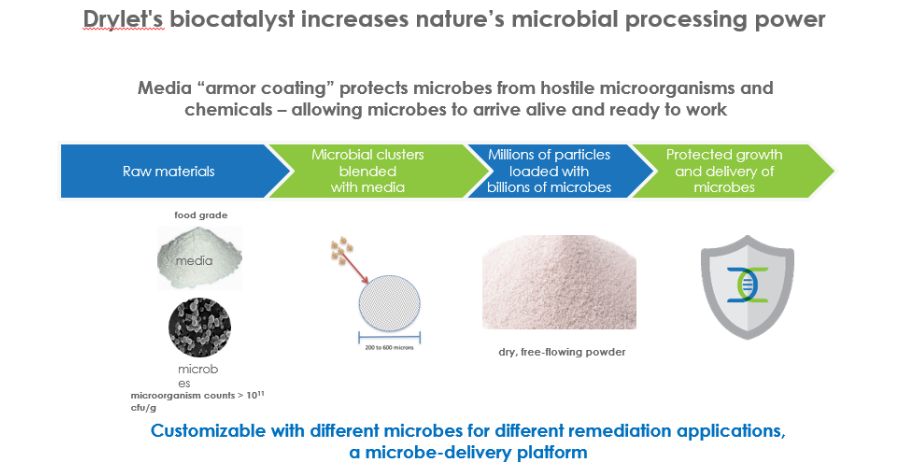
Depending on the application, these microorganisms may provide additional biological capabilities for degrading specific organic compounds or help reinforce microbial populations following changes in wastewater characteristics or operating conditions.
Facilities may consider bioaugmentation during situations such as:
- Startup of a new biological treatment process.
- Recovery following a biological upset or inhibitory discharge.
- Significant changes in wastewater composition.
- Seasonal changes that affect biological activity.
- Production increases or changes in organic loading.
- Restarting biological treatment following extended shutdown periods.
- Persistent treatment challenges involving specific biodegradable compounds.
Bioaugmentation does not eliminate the environmental requirements necessary for microbial growth. Introduced microorganisms still require suitable conditions including appropriate temperature, pH, nutrients, and, for aerobic organisms, sufficient dissolved oxygen to remain biologically active. For this reason, bioaugmentation is most effective when used as part of an overall biological treatment strategy rather than as a substitute for proper process control. When appropriate microorganisms are introduced into suitable operating conditions, bioaugmentation can supplement the native microbial community and support the biological processes responsible for wastewater treatment.
Understanding Growth Phases Improves Long-Term Performance
Successful biological wastewater treatment requires time for microbial communities to acclimate, grow, and respond to changing wastewater conditions. During startup or recovery from an upset, attempting to force rapid biological changes through repeated chemical additions or abrupt process adjustments can introduce additional stress and make treatment performance more difficult to interpret. Understanding microbial growth phases helps operators distinguish between normal biological adaptation and conditions that may require corrective action.
This knowledge can support better operational decisions by helping facilities:
- Set realistic expectations during biological system startup.
- Recognize signs of microbial stress or declining biological activity.
- Avoid unnecessary process changes while microorganisms are acclimating.
- Maintain conditions that support stable biological treatment.
- Respond more effectively to changes in organic loading or wastewater composition.
- Improve recovery strategies following biological upsets.
- Better manage biomass and solids production.
- Identify developing biological problems before they significantly affect effluent quality.
Stable biological treatment ultimately depends on maintaining an environment in which the microbial community can effectively process the incoming wastewater. That requires balancing organic loading, environmental conditions, biomass inventory, and operating practices rather than focusing on any single microbial growth phase. For operators, understanding the growth cycle provides a practical framework for interpreting biological behavior and making more informed long-term process decisions.
The Bottom Line
Wastewater microorganisms continually grow, adapt, reproduce, and decay in response to the conditions within a biological treatment system. The four microbial growth phases: lag, exponential, stationary, and decline provide a useful framework for understanding how microbial populations respond to changes in wastewater composition, organic loading, nutrients, dissolved oxygen, temperature, pH, and other operating conditions.
In full-scale wastewater treatment systems, these phases occur simultaneously across different microbial populations rather than as one synchronized cycle. For operators, the goal is not to maintain one specific growth phase, but to provide conditions that support a healthy, active, and resilient microbial community. Understanding the microbial growth cycle helps operators set realistic expectations during startup, recognize biological stress, interpret changes in treatment performance, and make better decisions during recovery from process upsets. Ultimately, stable biological wastewater treatment depends on managing the conditions that allow microorganisms to do their job effectively.
Frequently Asked Questions
What are the four microbial growth phases in wastewater treatment?
The four primary microbial growth phases are the lag phase, exponential growth phase, stationary phase, and decline phase. These phases describe changes in microbial adaptation, reproduction, activity, and decay as microorganisms respond to available organic matter and environmental conditions.
Why is the lag phase important in wastewater treatment?
During the lag phase, microorganisms acclimate to their environment before rapid population growth begins. They may be adjusting their metabolism, producing enzymes, and adapting to the organic compounds present in the wastewater. Biological activity is occurring even though rapid microbial reproduction may not yet be evident.
Which microbial growth phase is best for wastewater treatment?
There is no single growth phase that represents the ideal condition for every wastewater treatment system. Full-scale systems contain different microbial populations experiencing different growth conditions simultaneously. Operators generally aim to maintain a stable, active microbial community with sufficient biomass to consistently treat the incoming organic load.
What causes microorganisms to enter the decline phase?
Microbial decline occurs when cell death and decay exceed the formation of new cells. Contributing conditions can include insufficient biodegradable substrate, low dissolved oxygen in aerobic systems, nutrient deficiencies, toxic or inhibitory compounds, extreme temperatures, significant pH changes, and other environmental stresses.
How long does it take wastewater microorganisms to acclimate?
There is no universal acclimation period. The time required depends on factors such as wastewater composition, temperature, pH, organic loading, nutrient availability, microbial population, treatment configuration, and the severity of any previous biological upset. Some microbial populations adapt relatively quickly, while specialized organisms may require considerably more time to establish.
How can operators tell when wastewater microorganisms are stressed?
Signs of biological stress can include declining BOD removal, changes in COD removal, deteriorating settling or floc characteristics, unusual odors, changes in oxygen demand, and increasing sensitivity to loading fluctuations. Operators should evaluate trends across multiple process parameters rather than relying on a single measurement.
Can operators influence microbial growth in wastewater treatment?
Yes. Operators can influence microbial growth by managing factors such as organic and hydraulic loading, dissolved oxygen, nutrient availability, pH, temperature, solids retention, toxic or inhibitory discharges, and overall process stability. Maintaining suitable environmental conditions supports a healthier and more resilient microbial community.
Request a Free Technical Wastewater Assessment
Healthy microbial growth is essential for efficient biological wastewater treatment. If your facility is experiencing biological instability, excessive sludge accumulation, recurring odors, or declining treatment performance, Drylet's technical team can evaluate your system and recommend practical biological treatment strategies.
Request a Free Technical Assessment
Interested in Becoming a Drylet Distributor?
Drylet is expanding its distributor network across industrial wastewater, food processing, agriculture, rendering, FOG, and wastewater treatment markets. Join a growing network delivering science-based biological treatment solutions.