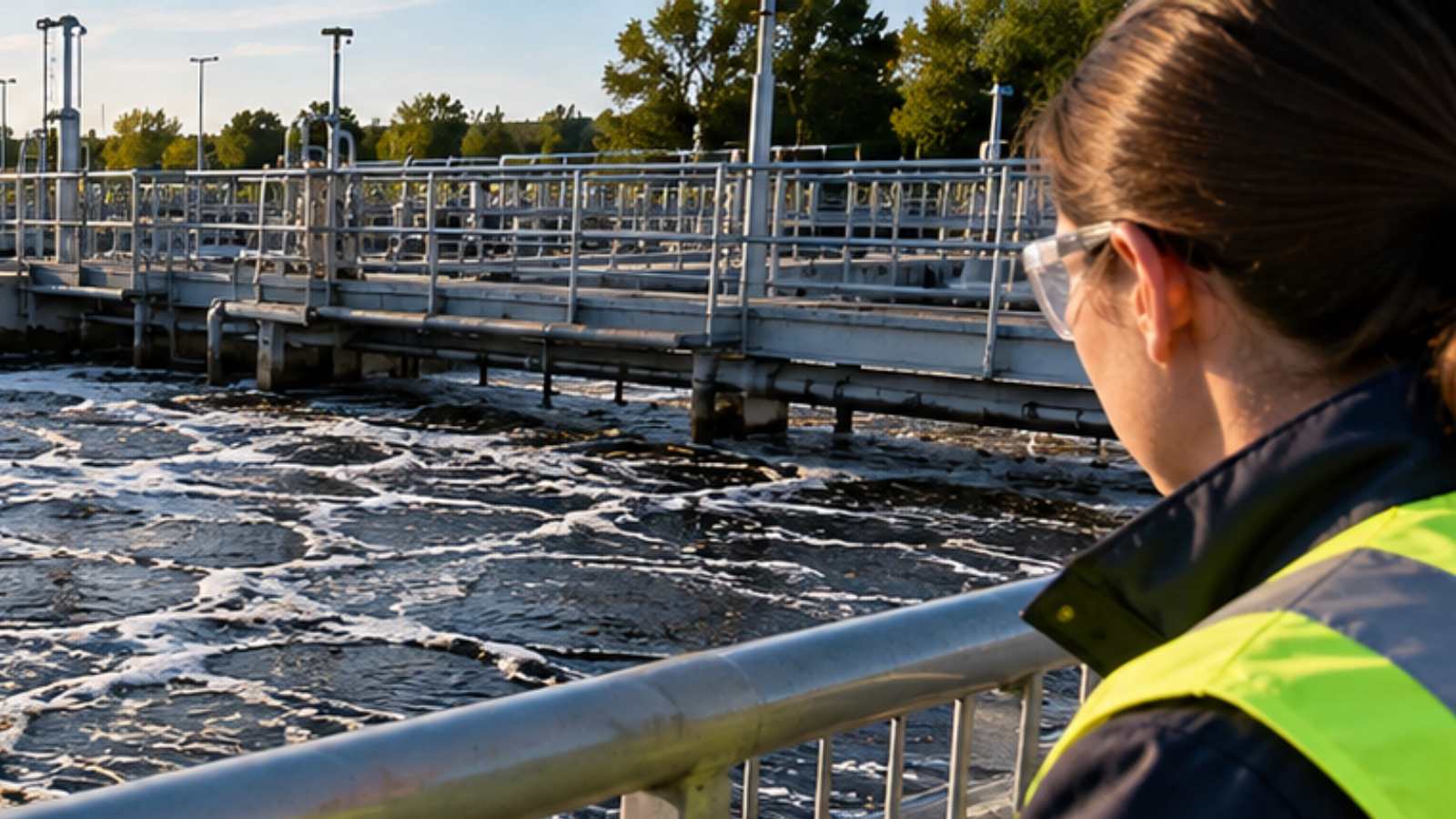
Microbial Communities in Wastewater Treatment: Why Diversity Matters
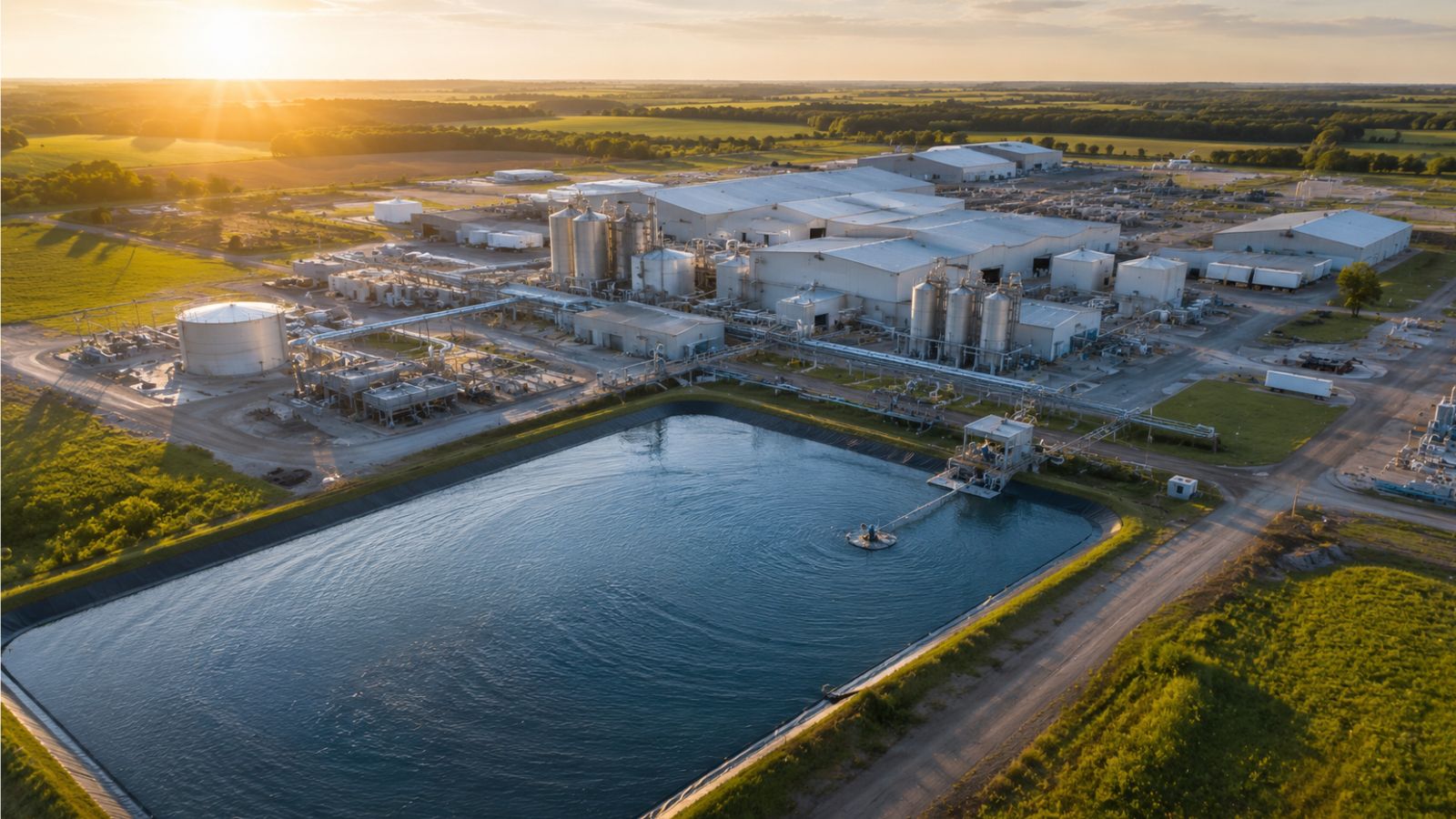
Successful wastewater treatment depends on far more than a single type of bacteria. Every biological treatment system contains a complex community of microorganisms that work together to break down organic pollutants, recycle nutrients, stabilize solids, and maintain treatment performance.
Rather than functioning independently, these microorganisms form an interconnected biological ecosystem. Different species perform specialized tasks, passing partially degraded organic compounds from one group of organisms to another until pollutants are ultimately converted into stable end products.
This biological diversity allows wastewater treatment systems to adapt to changing operating conditions, recover from disturbances, and efficiently treat a wide variety of waste streams. Understanding how microbial communities function helps operators recognize why healthy biology produces better treatment performance, lower sludge production, fewer odors, and greater operational stability.
Key Takeaways
Wastewater treatment depends on diverse microbial communities rather than individual species of bacteria. Bacteria, protozoa, fungi, algae, archaea, and higher microorganisms each perform specialized biological functions that support pollutant removal, nutrient cycling, sludge stabilization, and system resilience. Maintaining microbial diversity improves treatment efficiency, biological stability, and recovery from operational upsets.
What Is a Microbial Community?
A microbial community is a collection of different microorganisms living and interacting within the same environment. In wastewater treatment, these microorganisms include thousands of bacterial species along with fungi, protozoa, algae, archaea, rotifers, nematodes, and numerous other microscopic organisms. Each organism performs specific biological functions. Some rapidly degrade sugars and carbohydrates. Others specialize in proteins, fats, oils, grease, cellulose, or more complex industrial compounds. Still others consume bacteria, recycle nutrients, or stabilize biological populations.

Rather than competing continuously, many of these organisms depend upon one another to complete the treatment process. The result is a living ecosystem capable of removing pollutants far more efficiently than any single microorganism could accomplish alone.
Why Diversity Improves Wastewater Treatment
Biological diversity provides stability. Just as natural ecosystems become healthier when multiple species are present, wastewater treatment systems perform better when diverse microbial populations work together. Each group of microorganisms contributes different biological capabilities.
When one group slows because of changing environmental conditions, another group may continue performing similar treatment functions. This concept—known as functional redundancy—is one of the reasons biological wastewater treatment remains remarkably resilient despite changing wastewater characteristics.
Benefits of microbial diversity include:
- More complete degradation of organic pollutants
- Improved treatment stability
- Faster recovery from biological upsets
- Better adaptation to changing wastewater loads
- Reduced odor production
- Improved sludge stabilization
- Greater resistance to environmental stress
A biologically diverse treatment system is generally more stable than one dominated by only a few microbial species.
Major Microorganisms Found in Wastewater Treatment Systems
Although wastewater contains thousands of different microorganisms, several major groups perform the majority of biological treatment. No two wastewater treatment systems contain exactly the same microbial community. The microorganisms present depend on the type of wastewater being treated, operating conditions, nutrient availability, temperature, pH, and the system's biological history. Industrial wastewater from a dairy, meat processor, brewery, or rendering facility will naturally support different microbial populations because each wastewater stream contains different organic compounds.
Bacteria
Bacteria form the largest and most important microbial population within biological wastewater treatment systems. They perform most of the organic matter degradation while supporting nutrient removal and sludge stabilization.
Protozoa
Protozoa regulate bacterial populations by feeding on dispersed bacteria. Their activity improves effluent clarity while helping maintain biological balance. Because protozoa respond quickly to changing treatment conditions, operators often use them as indicators of biological health.
Fungi
Fungi degrade complex organic materials that bacteria may process more slowly. Industrial wastewater containing cellulose, lignin, or other difficult compounds often benefits from fungal activity.
Algae
In facultative lagoons, algae produce oxygen through photosynthesis during daylight hours. This oxygen supports aerobic bacteria responsible for much of the biological treatment occurring near the lagoon surface.
Archaea
Although often grouped with bacteria, archaea are a distinct group of microorganisms. They play a particularly important role within anaerobic digesters by producing methane during anaerobic digestion. Without methanogenic archaea, anaerobic digestion would not function effectively.
Higher Microorganisms
Rotifers, nematodes, and other microscopic organisms consume bacteria and organic debris while contributing to nutrient recycling and ecosystem stability. Their presence often indicates a mature, healthy biological treatment system.
How Microorganisms Work Together
One of the most remarkable aspects of biological wastewater treatment is that no single microorganism performs every treatment function. Instead, treatment occurs through a series of interconnected biological relationships. As one group of microorganisms breaks down complex organic compounds, it produces simpler compounds that become food for other organisms. This sequential degradation allows wastewater to be treated far more efficiently than would be possible by a single microbial species.

For example, bacteria begin degrading proteins, carbohydrates, and fats into smaller molecules. Other bacteria continue breaking those compounds into even simpler substances. Protozoa consume excess bacteria, helping regulate microbial populations while improving effluent clarity. In anaerobic systems, methanogenic archaea convert intermediate compounds into methane and carbon dioxide.
Each organism contributes one part of a much larger biological process. Rather than existing independently, wastewater microorganisms function as an integrated biological community.
How Environmental Conditions Affect Microbial Diversity
Healthy microbial communities depend on stable environmental conditions. When operating conditions remain favorable, numerous microbial populations coexist and support one another. However, sudden environmental changes can reduce microbial diversity and disrupt biological treatment.
Common factors that influence microbial communities include:
- Dissolved oxygen concentration
- Temperature
- pH
- Organic loading
- Nutrient availability
- Hydraulic retention time
- Toxic compounds
- Sludge age
When one of these factors changes rapidly, sensitive microorganisms may decline while more tolerant species temporarily dominate. Although treatment may continue, biological efficiency often decreases because portions of the microbial community have been lost. Facilities that maintain stable operating conditions generally support more diverse microbial populations and experience fewer biological upsets.
Why Microbial Diversity Improves Biological Stability
One of the greatest advantages of microbial diversity is resilience. No wastewater treatment system operates under perfectly constant conditions. Flow rates fluctuate, wastewater characteristics change, temperatures vary, and production schedules introduce new biological challenges throughout the year. A diverse microbial community is far better equipped to adapt to these changes than a community dominated by only a few species.
When environmental conditions shift, some microorganisms may temporarily decline while others continue performing similar biological functions. This biological redundancy helps prevent sudden treatment failures and allows wastewater systems to recover more quickly following operational disturbances.
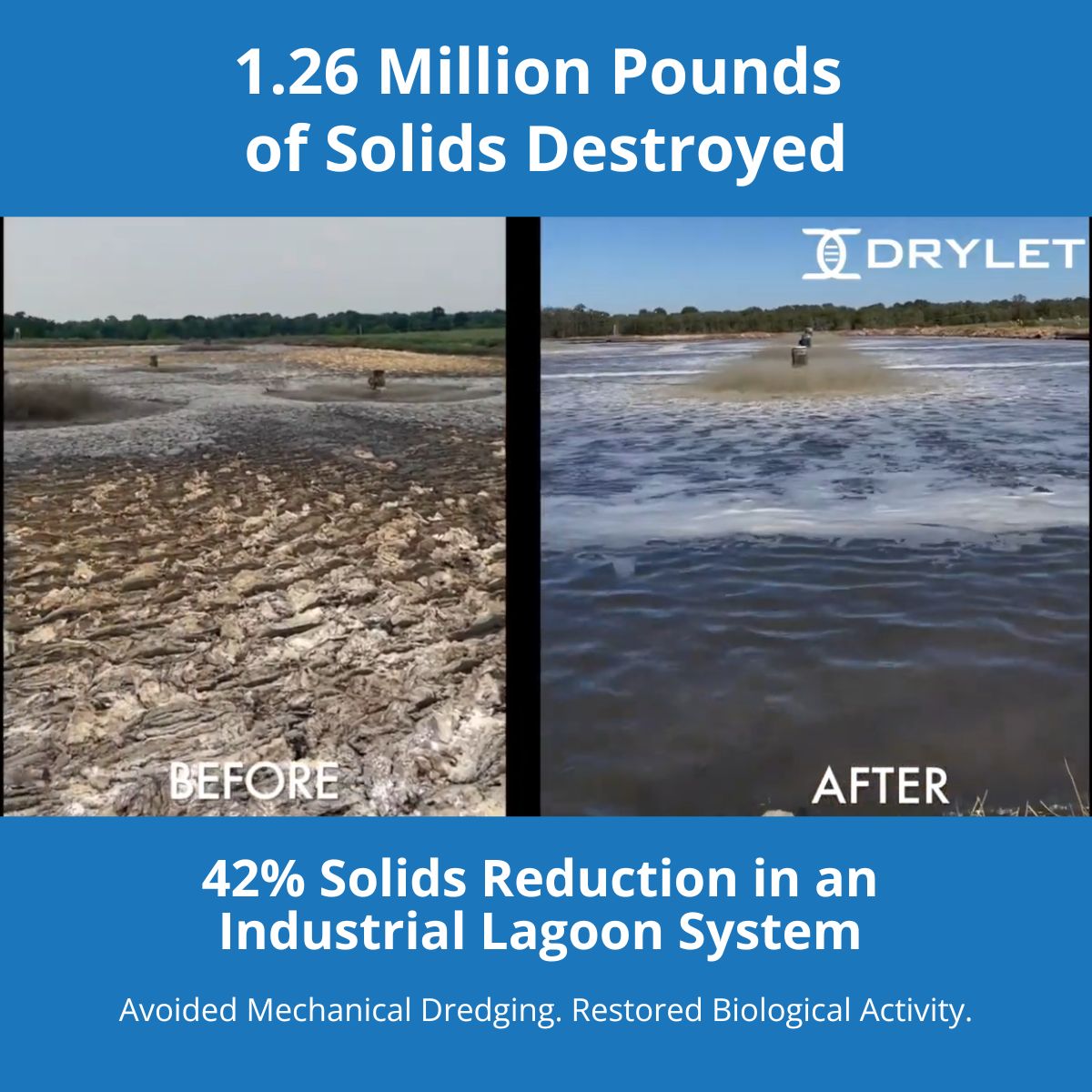
Facilities with healthy microbial diversity often experience:
- More consistent treatment performance
- Faster recovery after biological upsets
- Improved resistance to shock loading
- Better effluent quality
- Reduced odor events
- Lower sludge accumulation over time
Rather than maximizing the growth of one organism, successful biological treatment focuses on maintaining a balanced microbial ecosystem.
Bioaugmentation and Microbial Diversity
Bioaugmentation supports microbial diversity by introducing carefully selected beneficial microorganisms that complement the existing biological community. Rather than replacing naturally occurring bacteria, bioaugmentation strengthens the biological ecosystem by increasing populations capable of degrading specific organic compounds. A more diverse microbial community often provides greater biological flexibility, particularly in industrial wastewater systems where wastewater characteristics may change frequently. When combined with proper operational practices, bioaugmentation can help improve biological resilience while supporting more consistent treatment performance.
What Happens When Microbial Diversity Is Lost?
When wastewater biology becomes dominated by only a small number of microorganisms, treatment performance often becomes less stable.
Reduced microbial diversity may contribute to:
- Slower organic matter degradation
- Increased sludge production
- Persistent odors
- Poor solids settling
- Reduced biological resilience
- Greater sensitivity to shock loading
- Longer recovery following biological upsets
Maintaining diverse microbial populations helps ensure that biological treatment continues efficiently even as wastewater conditions naturally fluctuate. Healthy diversity acts as a biological safety net that protects long-term treatment performance.
Microbial Diversity Is the Foundation of Healthy Wastewater Biology
Successful wastewater treatment depends on cooperation rather than competition. Bacteria, protozoa, fungi, algae, archaea, and higher microorganisms each contribute specialized biological functions that support pollutant removal, nutrient cycling, sludge stabilization, and long-term treatment stability. Together, these organisms create a self-regulating ecosystem capable of adapting to changing wastewater conditions while maintaining efficient treatment performance.
Understanding microbial diversity allows operators to view wastewater treatment as a living biological process rather than simply a collection of pumps, aerators, and tanks. Facilities that protect and support microbial diversity are better positioned to improve treatment efficiency, reduce operating costs, minimize odors, and extend the life of their biological treatment systems.
Frequently Asked Questions
What are microbial communities in wastewater treatment?
Microbial communities are diverse groups of microorganisms that work together to break down organic pollutants, recycle nutrients, stabilize solids, and improve wastewater treatment performance. These communities include bacteria, protozoa, fungi, algae, archaea, and higher microorganisms.
Why is microbial diversity important?
Microbial diversity improves biological stability because different microorganisms perform different treatment functions. A diverse community is more resilient to changes in wastewater loading, temperature, pH, and other operating conditions, helping maintain consistent treatment performance.
Can one type of bacteria treat all wastewater?
No. Different bacteria specialize in degrading different organic compounds. Wastewater treatment depends on many bacterial species working together, along with other microorganisms, to completely break down pollutants.
How do operators know if microbial diversity is declining?
Signs of declining microbial diversity may include increased odors, higher sludge production, poor solids settling, foaming, reduced treatment efficiency, slower biological recovery after upsets, and deteriorating effluent quality. Microscopic examination and routine process monitoring can help identify changes in the biological community.
Can bioaugmentation improve microbial diversity?
Bioaugmentation may improve microbial diversity by introducing carefully selected beneficial microorganisms that complement the existing biological community. When combined with proper operating conditions, this can strengthen biological resilience and improve treatment performance.
Request a Free Technical Wastewater Assessment
Healthy microbial communities are essential for efficient biological wastewater treatment. If your facility is experiencing excessive sludge accumulation, odors, inconsistent treatment performance, or recurring biological upsets, Drylet can help evaluate biological treatment strategies tailored to your wastewater system.
Request a Free Technical Assessment
Stay Ahead with S²: Systems & Solids
Wastewater treatment is constantly evolving. Subscribe to S²: Systems & Solids, Drylet's free newsletter, and receive practical operator tips, wastewater biology insights, new case studies, troubleshooting guides, and industry updates delivered directly to your inbox.
Subscribe to S²: Systems & Solids
Interested in Becoming a Drylet Distributor?
Drylet is expanding its distributor network across industrial wastewater, food processing, agriculture, rendering, municipal, and FOG wastewater markets. Join a growing network delivering science-based biological treatment solutions.