What Is Bioaugmentation? How Beneficial Bacteria Improve Wastewater Treatment
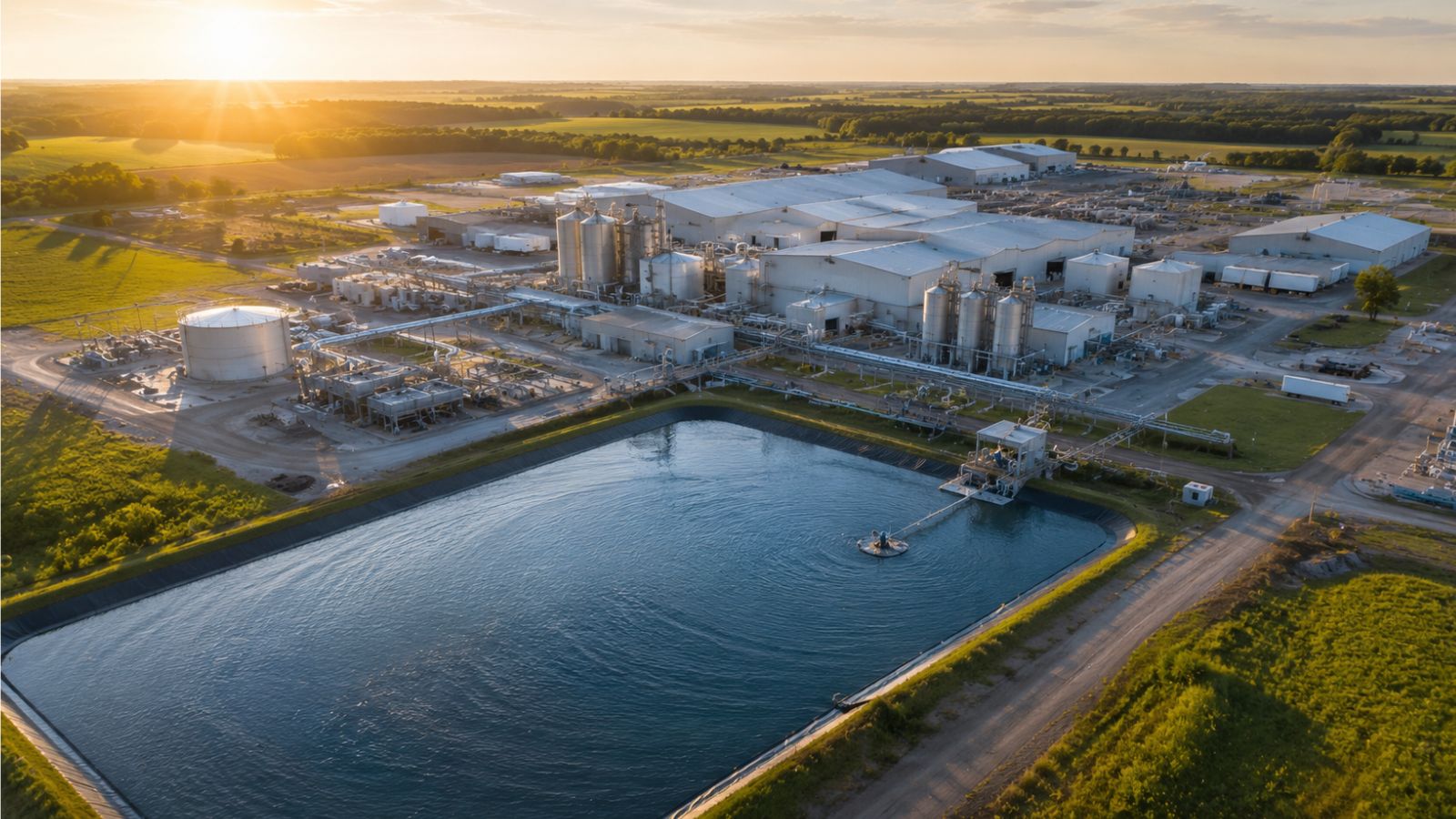
Biological wastewater treatment depends on naturally occurring microorganisms to remove organic pollutants, stabilize solids, reduce odors, and improve effluent quality. In many wastewater systems, these microbial communities develop naturally and perform effectively for years. However, changing wastewater characteristics, toxic discharges, seasonal temperature fluctuations, excessive organic loading, and biological upsets can reduce the activity or diversity of these microorganisms, leading to declining treatment performance.
Bioaugmentation is the process of adding carefully selected beneficial microorganisms to an existing biological wastewater treatment system to improve the breakdown of organic pollutants, stabilize treatment performance, reduce sludge production, and enhance overall biological efficiency.
When properly applied, bioaugmentation can improve biological stability, accelerate recovery after treatment upsets, enhance the breakdown of organic matter, reduce sludge accumulation, and improve overall wastewater treatment performance. Understanding what bioaugmentation is and what it is not helps operators make informed decisions about when biological supplementation may provide measurable operational benefits.
Key Takeaways
Bioaugmentation is the addition of carefully selected beneficial microorganisms to an existing biological wastewater treatment system. These microorganisms supplement naturally occurring bacteria, helping improve the degradation of organic pollutants, stabilize biological treatment, reduce sludge accumulation, control odors, and enhance treatment efficiency. Successful bioaugmentation works with the existing biology rather than replacing it.
What Is Bioaugmentation?
Bioaugmentation is a biological treatment strategy that introduces specialized microorganisms into wastewater treatment systems to improve biological performance. Every wastewater treatment system already contains billions of naturally occurring microorganisms. However, not every wastewater stream supports the same microbial community.
Industrial wastewater from a meat processor differs significantly from wastewater generated by a brewery, dairy, winery, food processor, or rendering facility. Each contains different organic compounds that require different groups of microorganisms for efficient degradation. Bioaugmentation supplements these existing microbial populations with carefully selected bacteria that are well suited to degrading the specific organic materials present in the wastewater. Rather than changing the treatment process itself, bioaugmentation enhances the biological capacity of the existing system.
How Bioaugmentation Works
Bioaugmentation works by increasing the population of beneficial microorganisms responsible for degrading organic pollutants.

Once introduced into a wastewater treatment system, these microorganisms become part of the existing biological community. As wastewater flows through the system, they begin consuming dissolved and suspended organic compounds, reproducing under favorable conditions and contributing to biological treatment alongside the native bacteria.
Successful bioaugmentation depends on maintaining appropriate operating conditions, including:
- Adequate organic loading
- Proper dissolved oxygen concentrations
- Stable pH
- Sufficient nutrients
- Appropriate temperature
- Reasonable hydraulic retention time
When these conditions are maintained, introduced microorganisms can establish themselves within the biological community and contribute to long-term treatment performance. Bioaugmentation should be viewed as supporting healthy biology, not replacing good operational practices.
Why Biological Communities Sometimes Need Support
Biological wastewater treatment systems continuously adapt to changing operating conditions. Most of the time, naturally occurring microbial communities adjust successfully. However, certain events can temporarily reduce bacterial populations or disrupt biological balance.
Common causes include:
- Shock organic loading
- Toxic chemical discharges
- Seasonal temperature changes
- Large pH fluctuations
- Hydraulic overload
- Extended equipment failures
- Long shutdown periods
- Reduced nutrient availability
Following these events, treatment systems often require time to naturally rebuild healthy microbial populations. Bioaugmentation may help accelerate biological recovery by supplementing beneficial microorganisms already adapted for wastewater treatment.
Common Misconceptions About Bioaugmentation
One of the most common misconceptions is that bioaugmentation simply means adding bacteria to wastewater. In reality, effective bioaugmentation is much more sophisticated. Commercial bioaugmentation products typically contain carefully selected strains of naturally occurring microorganisms chosen for their ability to degrade specific organic compounds under wastewater treatment conditions. The objective is not to overwhelm or replace the native biology.
Instead, bioaugmentation strengthens the existing microbial community by introducing organisms that complement the microorganisms already present. The result is a more diverse, resilient biological population capable of responding to changing wastewater conditions more effectively than a less diverse microbial community.
What Types of Wastewater Benefit from Bioaugmentation?
Bioaugmentation can be applied across a wide range of biological wastewater treatment systems. However, the greatest benefits are often observed in facilities treating high-strength industrial wastewater with elevated concentrations of organic matter, fats, oils, grease (FOG), proteins, carbohydrates, or other difficult-to-degrade compounds.
Industries that commonly use bioaugmentation include:
- Food processing facilities
- Meat and poultry processors
- Dairy processors
- Breweries and wineries
- Rendering plants
- Grease trap and FOG treatment systems
- Agricultural wastewater operations
- Industrial wastewater lagoons
- Anaerobic digesters
- Municipal wastewater treatment plants
Each wastewater stream presents unique biological challenges. Selecting microorganisms suited to the specific waste characteristics is far more effective than applying a generic treatment approach.
Potential Benefits of Bioaugmentation
When properly matched to the wastewater being treated and combined with sound operational practices, bioaugmentation may provide several measurable benefits.
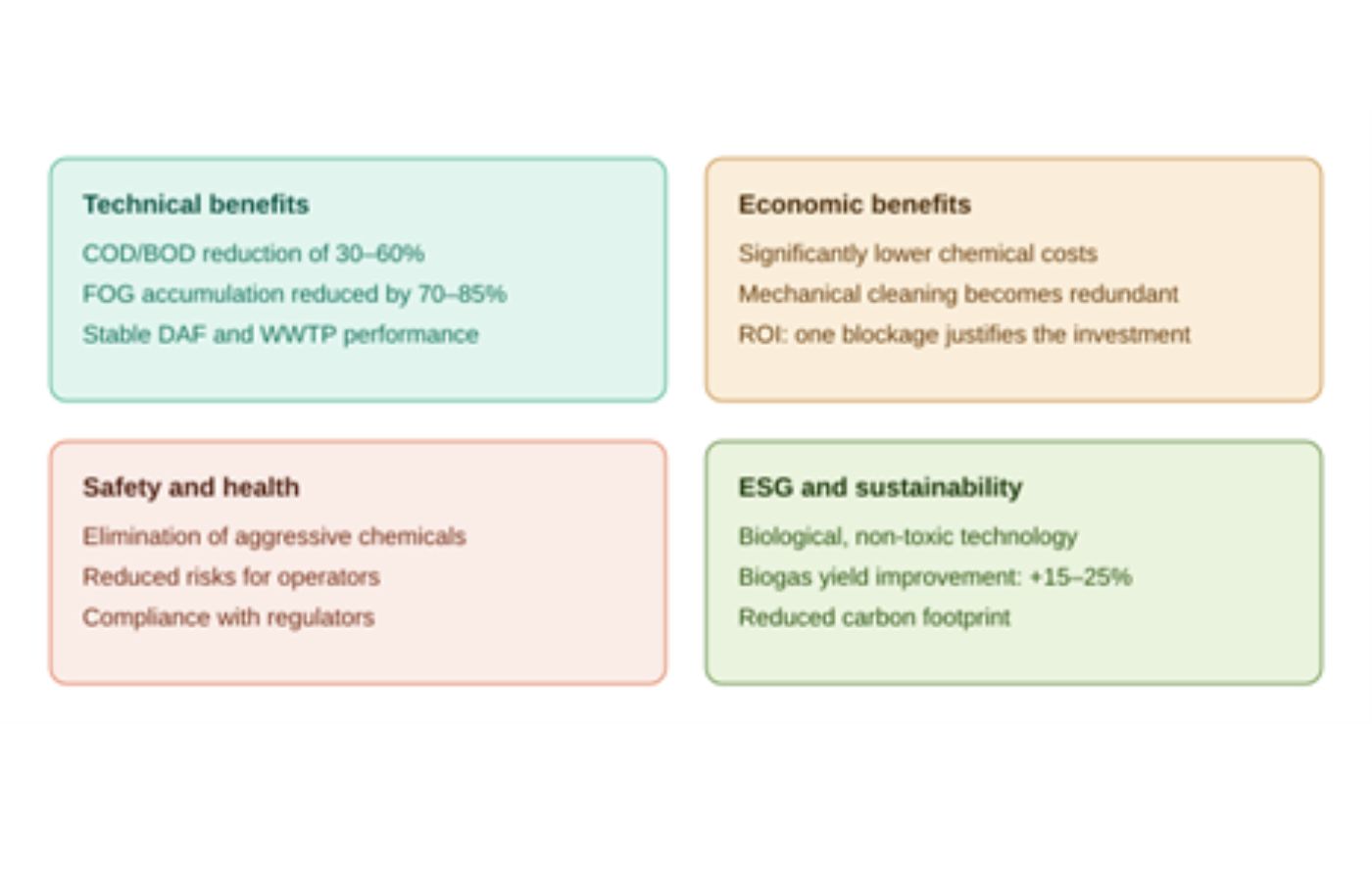
Potential improvements include:
- Enhanced breakdown of organic pollutants
- Reduced biochemical oxygen demand (BOD)
- Improved chemical oxygen demand (COD) removal
- Reduced sludge accumulation
- Lower sludge hauling and disposal costs
- Improved odor control
- Faster recovery following biological upsets
- More consistent treatment performance
- Improved lagoon capacity through increased biological activity
It is important to recognize that results vary depending on wastewater characteristics, system design, operating conditions, and overall biological health. Bioaugmentation should be viewed as one component of a comprehensive biological treatment strategy rather than a standalone solution.
What Bioaugmentation Cannot Do
Although bioaugmentation can improve biological treatment performance, it is not a substitute for proper system operation. Beneficial bacteria cannot overcome major mechanical failures or fundamental design limitations.
For example, bioaugmentation cannot compensate for:
- Failed aeration equipment
- Extremely toxic wastewater
- Severe hydraulic overloading
- Poor equalization
- Completely filled lagoons with little remaining treatment volume
- Major pH excursions that continuously inhibit biological activity
Likewise, introducing beneficial microorganisms into an unhealthy environment without correcting the underlying operational issues may produce only temporary improvements. Successful biological treatment always begins with maintaining favorable operating conditions for microbial growth.
Bioaugmentation and Sludge Reduction
One of the most significant operational advantages of bioaugmentation is its potential to improve the biological degradation of organic solids. As beneficial microorganisms more efficiently metabolize incoming organic matter, a greater percentage of those materials are converted into carbon dioxide, water, and stable biological products instead of accumulating as sludge.
Over time, this improved biological activity may help facilities:
- Slow sludge accumulation
- Extend lagoon service life
- Reduce dredging frequency
- Lower sludge hauling costs
- Improve overall solids management
Facilities have documented significant reductions in sludge accumulation after improving biological activity. For example, one industrial lagoon reduced accumulated solids by 42% without dredging, demonstrating how improved biological performance can extend lagoon life and reduce maintenance costs.
Bioaugmentation and Odor Control
Many wastewater odors develop when organic matter remains only partially degraded. As biological treatment slows, anaerobic microorganisms begin producing hydrogen sulfide, ammonia, volatile fatty acids, mercaptans, and other odor-causing compounds.
By improving the degradation of organic pollutants, bioaugmentation may help reduce the conditions that favor odor production.
Facilities commonly report improvements in:
- Lagoon odors
- Grease trap odors
- Collection system odors
- Equalization basin odors
- Industrial wastewater odors
Odor reduction occurs because the underlying biological process has improved—not because odors are simply being masked.
Bioaugmentation Is Most Effective When Biology Comes First
The most successful bioaugmentation programs begin with understanding the biology already present within the treatment system.
Operators should evaluate factors such as:
- Organic loading
- Dissolved oxygen
- Temperature
- pH
- Nutrient balance
- Sludge accumulation
- Hydraulic retention time
- Wastewater characteristics
These operating conditions determine whether introduced microorganisms can establish themselves and contribute to long-term treatment performance. Bioaugmentation works best when combined with good biological process management rather than being used as an emergency response after significant operational problems have already developed.
The Bottom Line
Bioaugmentation is not about replacing the naturally occurring microorganisms already present in a wastewater treatment system. Instead, it is a science-based approach that strengthens existing biological communities by supplementing them with carefully selected beneficial bacteria capable of degrading specific organic compounds.
When combined with proper wastewater management, bioaugmentation can improve biological stability, accelerate recovery from treatment upsets, reduce sludge accumulation, improve odor control, and enhance overall treatment performance. However, successful bioaugmentation depends on maintaining healthy operating conditions. Beneficial bacteria perform best when supported by proper oxygen levels, balanced nutrient availability, stable pH, appropriate temperatures, and sound operational practices.
Facilities that understand both the biology of their wastewater system and the role of bioaugmentation are better positioned to improve long-term treatment efficiency while reducing operating costs.
Frequently Asked Questions
What is bioaugmentation in wastewater treatment?
Bioaugmentation is the process of adding carefully selected beneficial microorganisms to an existing biological wastewater treatment system. These microorganisms supplement naturally occurring bacteria to improve the degradation of organic pollutants and support healthier biological treatment.
Is bioaugmentation the same as adding bacteria?
Not exactly. While bioaugmentation involves introducing beneficial bacteria, it is a targeted biological strategy that uses carefully selected microbial cultures designed to complement the existing microbial community rather than replace it.
Can bioaugmentation reduce sludge accumulation?
Yes. By improving the biological degradation of organic matter, bioaugmentation may reduce the amount of organic solids that accumulate as sludge. Results depend on wastewater characteristics, operating conditions, and overall biological health.
Can bioaugmentation eliminate wastewater odors?
Bioaugmentation does not simply mask odors. By improving biological treatment and reducing the accumulation of partially degraded organic material, it can help reduce the conditions that produce hydrogen sulfide, ammonia, and other odor-causing compounds.
Does every wastewater treatment system benefit from bioaugmentation?
Not necessarily. Facilities with healthy, stable biological treatment may experience fewer benefits than systems recovering from biological upsets, treating difficult industrial wastewater, or experiencing excessive sludge accumulation and odor problems. A technical evaluation helps determine whether bioaugmentation is appropriate for a specific wastewater system.
Request a Free Technical Wastewater Assessment
Every wastewater treatment system is biologically unique. If your facility is dealing with excessive sludge accumulation, persistent odors, inconsistent treatment performance, or recurring biological upsets, Drylet's technical team can evaluate your system and recommend practical biological treatment strategies.
Request a Free Technical Assessment
Stay Ahead with S²: Systems & Solids
Wastewater treatment is constantly evolving. Subscribe to S²: Systems & Solids, Drylet's free newsletter, and receive practical operator tips, wastewater biology insights, new case studies, troubleshooting guides, and industry updates delivered directly to your inbox.
Subscribe to S²: Systems & Solids
Interested in Becoming a Drylet Distributor?
Drylet is expanding its distributor network across industrial wastewater, food processing, agriculture, rendering, FOG, and wastewater treatment markets. Join a growing network delivering science-based biological treatment solutions.