What Is Wastewater Biology? Understanding the Science Behind Biological Treatment
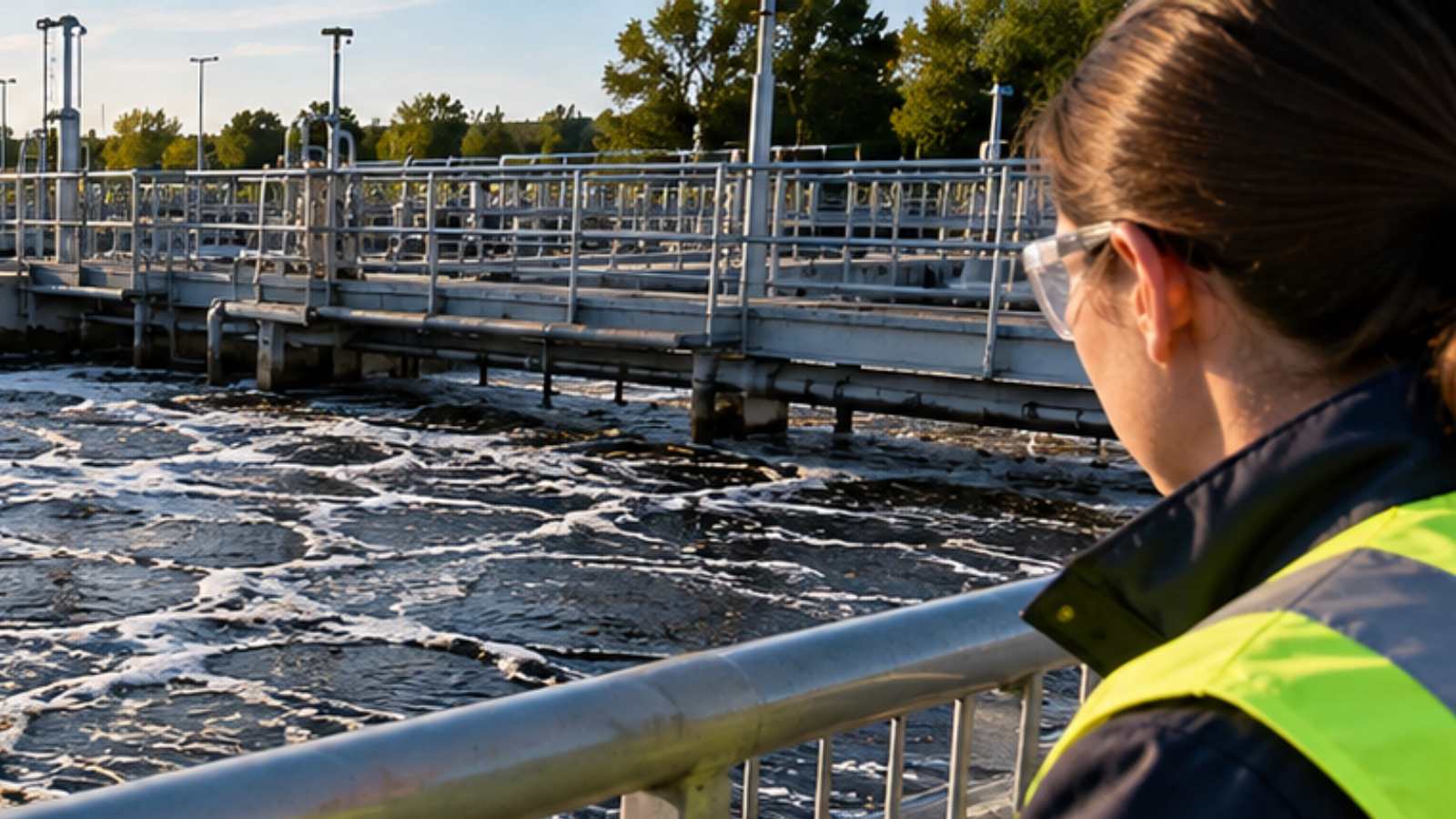
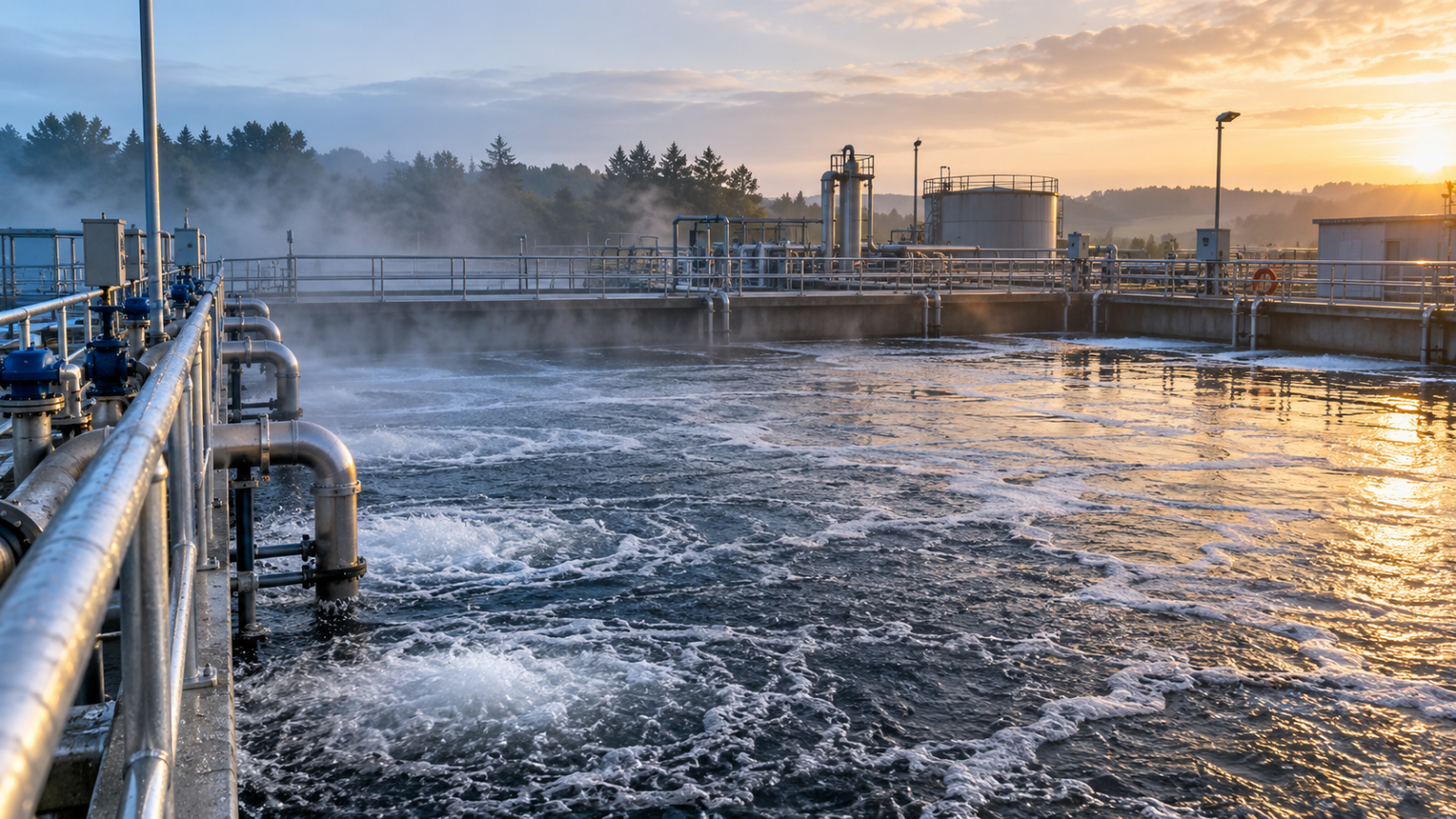
Wastewater treatment is fundamentally a biological process. While pumps, aerators, clarifiers, digesters, and lagoons are essential components of a treatment system, the real work is performed by billions of naturally occurring microorganisms. These microscopic organisms consume organic pollutants, convert nutrients, stabilize solids, and help produce treated water that can be safely discharged or reused.
Whether treating municipal wastewater, industrial process water, food processing wastewater, or agricultural waste streams, successful treatment depends on maintaining a healthy and balanced microbial community. When these microorganisms thrive, treatment systems operate efficiently, sludge production remains manageable, and odors are minimized. When biological conditions become unfavorable, treatment performance can decline rapidly, leading to increased sludge accumulation, poor effluent quality, odors, foaming, and higher operating costs.
Understanding wastewater biology allows operators and engineers to manage treatment systems proactively rather than simply reacting to operational problems after they occur.
Key Takeaways
Wastewater biology is the study of the microorganisms responsible for breaking down organic pollutants during wastewater treatment. Bacteria, fungi, protozoa, algae, and other microorganisms work together to remove organic matter, stabilize solids, reduce nutrients, and improve water quality. Maintaining healthy biological activity is essential for efficient treatment performance, sludge reduction, odor control, and long-term system reliability.
Why Wastewater Biology Matters
Many people assume wastewater treatment relies primarily on chemicals or mechanical equipment. In reality, the equipment simply creates an environment where microorganisms can perform their work. Aeration systems supply oxygen. Pumps move wastewater through the treatment process. Clarifiers separate solids from treated water. Lagoons provide retention time for biological reactions to occur.
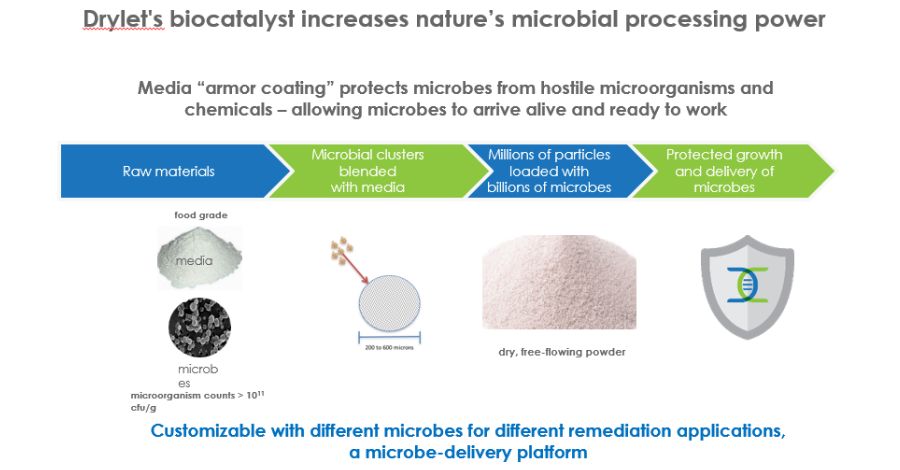
While mechanical and chemical treatment both play important roles, understanding when biological treatment offers the greatest long-term advantages can help facilities improve treatment efficiency and reduce operating costs.
The microorganisms are responsible for converting dissolved and suspended organic material into stable end products. Without an active biological population, wastewater treatment systems quickly lose efficiency regardless of how sophisticated the equipment may be.
Healthy wastewater biology contributes to:
- Lower biochemical oxygen demand (BOD)
- Reduced chemical oxygen demand (COD)
- Improved suspended solids removal
- Better sludge stabilization
- Reduced odor generation
- Improved nutrient removal
- Lower sludge hauling costs
- More consistent treatment performance
Because biology drives nearly every treatment process, understanding how microbial communities function is essential for optimizing wastewater system performance.
What Is Wastewater Biology?
Wastewater biology refers to the collection of naturally occurring microorganisms that use organic waste as a food source.
These microorganisms consume carbon-based compounds found in wastewater and convert them into:
- Carbon dioxide
- Water
- New microbial cells (biomass)
- Stable organic matter
- Energy for growth and reproduction
Rather than simply removing contaminants, microorganisms continuously recycle nutrients and organic material through complex biological processes. Each gallon of wastewater contains millions to billions of microorganisms working simultaneously. Different species perform specialized functions, creating a balanced ecosystem capable of treating a wide variety of waste streams.
The composition of this microbial community changes constantly in response to:
- Organic loading
- Temperature
- Dissolved oxygen
- pH
- Nutrient availability
- Hydraulic retention time
- Toxic compounds
- Seasonal conditions
Maintaining favorable conditions allows beneficial microorganisms to dominate while minimizing the growth of organisms that contribute to odors, foaming, or poor treatment performance.
The Living Ecosystem Inside Every Wastewater Treatment System
A wastewater treatment system functions much like a natural ecosystem. Instead of a single species performing all treatment functions, numerous microorganisms interact with one another to break down increasingly complex organic compounds. Some microorganisms specialize in rapidly consuming simple sugars and carbohydrates. Others degrade proteins, fats, oils, grease, cellulose, or other complex compounds. Predatory microorganisms consume excess bacteria, helping regulate population balance and improving effluent clarity. Algae contribute oxygen production in some lagoon systems through photosynthesis, while fungi assist in degrading difficult-to-treat organic materials.
The overall health of the treatment system depends on maintaining diversity within this microbial ecosystem. When environmental conditions change dramatically, certain microbial populations decline while others become dominant. These shifts often explain why treatment performance changes long before mechanical equipment fails.
The Major Types of Microorganisms in Wastewater Treatment
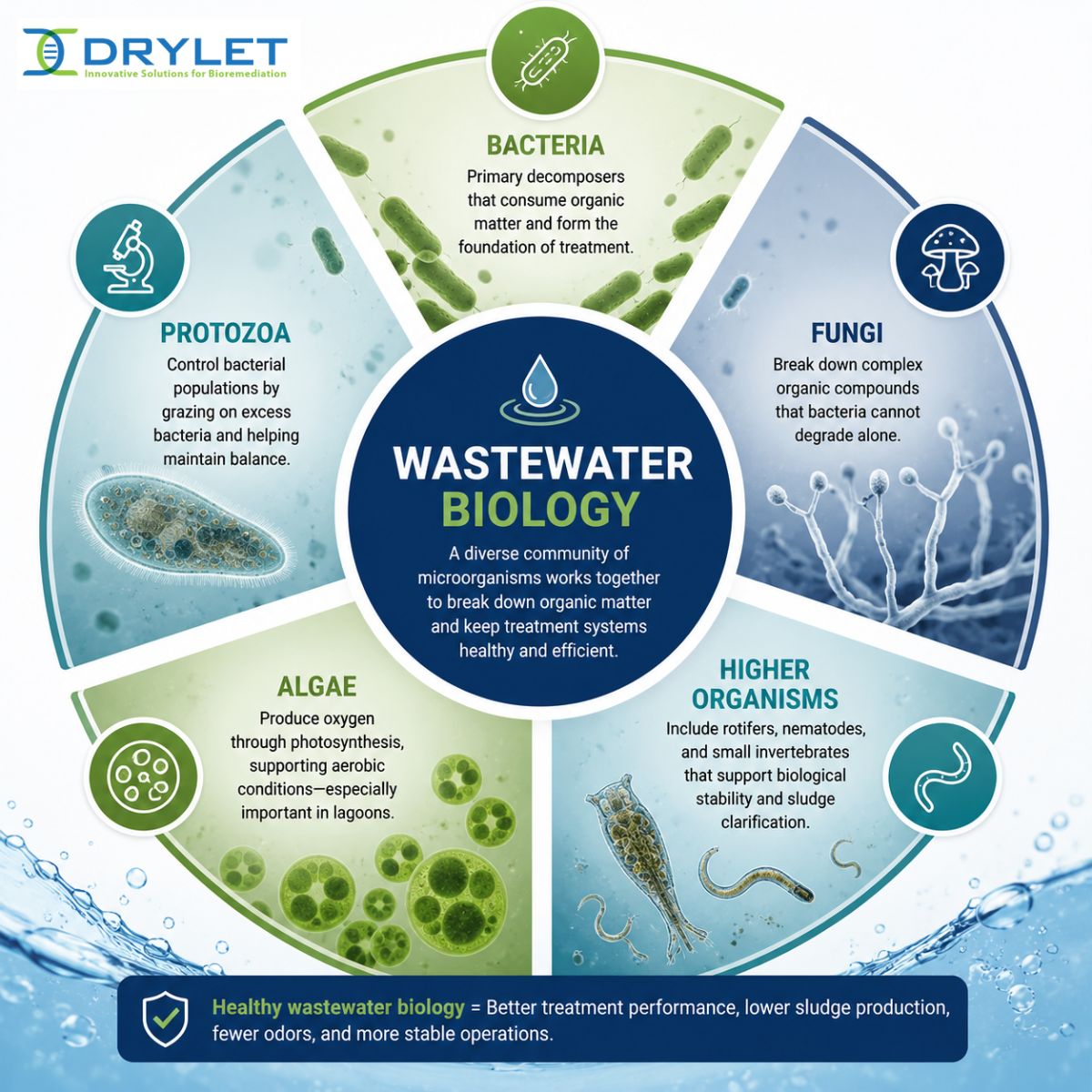
Although wastewater contains thousands of microbial species, several major groups perform most biological treatment functions.
Bacteria
Bacteria are the primary workforce of biological wastewater treatment. They consume dissolved and suspended organic matter, converting pollutants into simpler compounds while reproducing rapidly under favorable conditions.
Different bacterial groups specialize in different treatment functions, including:
- Organic matter degradation
- Ammonia oxidation
- Nitrate reduction
- Sulfur metabolism
- Fat and grease degradation
- Cellulose decomposition
Because bacteria perform the majority of biological treatment, maintaining healthy bacterial populations is critical to overall system performance.
Protozoa
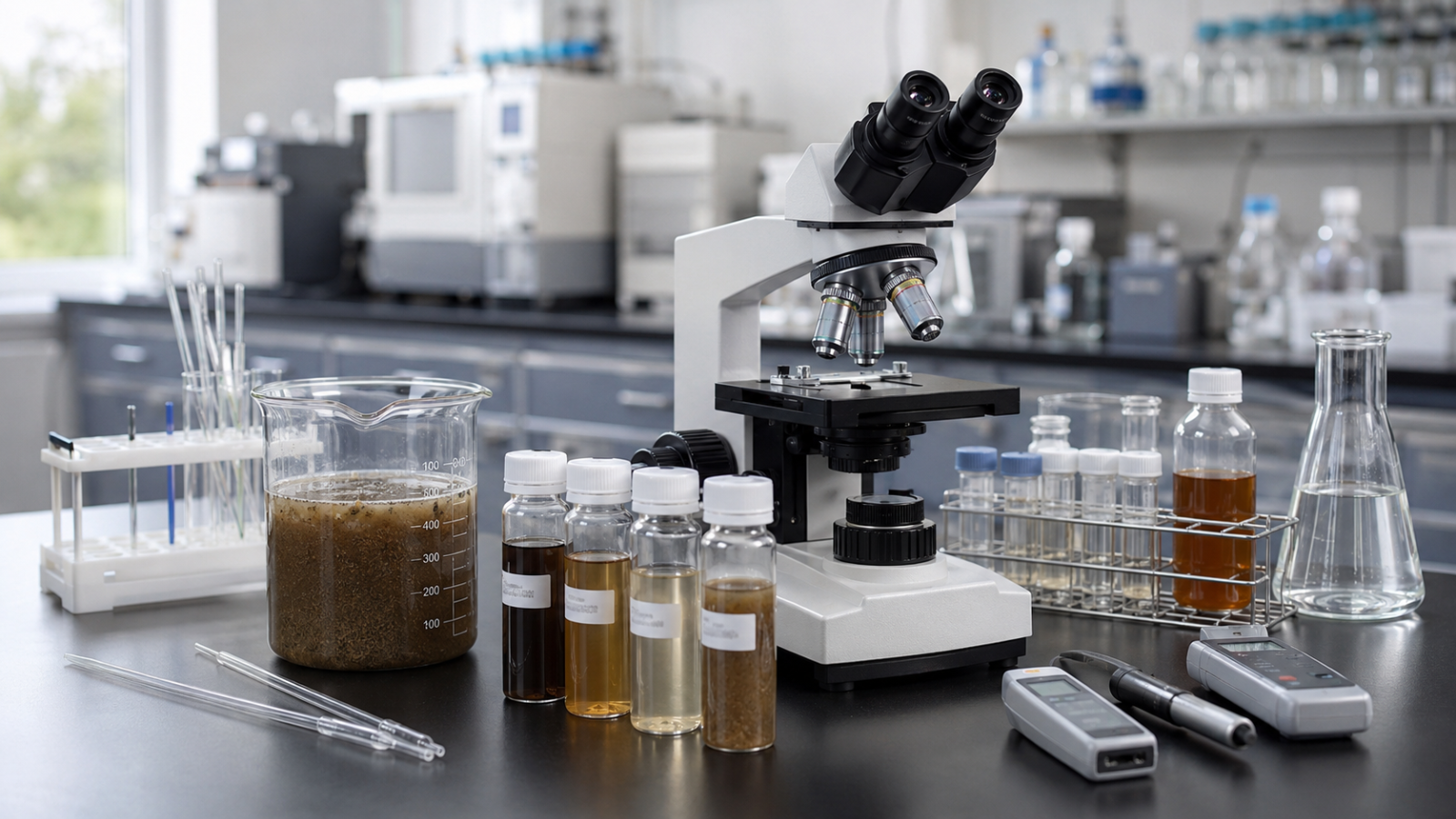
Protozoa feed primarily on bacteria rather than directly consuming wastewater pollutants. Although this may seem counterproductive, protozoa actually improve treatment performance by regulating bacterial populations and removing dispersed cells from the water column. Healthy protozoan populations often indicate a stable biological treatment system. Operators frequently evaluate protozoa during microscopic examinations because their presence provides valuable insight into overall biological health.
Fungi
Fungi become increasingly important when treating industrial wastewater containing complex organic compounds that bacteria degrade more slowly. Certain fungi can tolerate lower pH conditions and break down difficult materials such as lignin, cellulose, and some industrial byproducts. Although fungi generally represent a smaller portion of the microbial community, they provide important support within many industrial treatment systems.
Algae
Algae are particularly important in wastewater lagoons. Using sunlight, algae produce oxygen through photosynthesis. This oxygen supports aerobic bacteria responsible for degrading organic waste near the lagoon surface. During daylight hours, algae can significantly increase dissolved oxygen concentrations.
However, algae also consume oxygen during nighttime respiration, contributing to normal daily fluctuations in lagoon dissolved oxygen levels. Understanding this relationship helps operators interpret dissolved oxygen measurements more accurately. Facilities experiencing persistent oxygen limitations may also benefit from understanding common wastewater lagoon aeration problems that reduce biological performance.
Higher Organisms
As biological treatment systems mature, larger organisms such as rotifers, nematodes, and small worms often appear. These organisms feed on bacteria, algae, and organic debris while helping recycle nutrients within the microbial ecosystem. Their presence generally indicates stable operating conditions and an established biological community rather than a newly developing treatment process.
Biology Drives Every Major Wastewater Process
Whether a facility uses activated sludge, sequencing batch reactors (SBRs), oxidation ditches, lagoons, anaerobic digesters, or other biological treatment technologies, microorganisms remain the driving force behind treatment performance. Mechanical equipment supports the biology but biology performs the treatment.
Facilities that understand and protect their microbial populations often experience:
- Greater process stability
- Reduced sludge production
- Improved treatment efficiency
- Lower operating costs
- Fewer biological upsets
- Better long-term performance
This biological perspective shifts wastewater management from simply operating equipment to managing an active living ecosystem.
How Microorganisms Remove Wastewater Pollutants
The primary objective of biological wastewater treatment is to convert unstable organic pollutants into stable end products that can be safely discharged, reused, or further processed. Microorganisms accomplish this by using organic compounds as a food source. As wastewater flows through a treatment system, bacteria and other microorganisms absorb dissolved and suspended organic matter, breaking complex molecules into simpler compounds through a series of biochemical reactions. During this process, microorganisms consume oxygen in aerobic systems—or alternative electron acceptors in anaerobic systems—to produce energy for growth and reproduction.
As they metabolize wastewater contaminants, microorganisms convert pollutants into:
- Carbon dioxide
- Water
- New microbial cells (biomass)
- Stable organic solids
- Nitrogen gas (during biological nutrient removal)
- Methane and carbon dioxide in anaerobic digesters
This continuous biological recycling process is what makes wastewater treatment both efficient and sustainable. Rather than removing contaminants through chemicals alone, biological treatment harnesses naturally occurring organisms to perform the majority of the work.
Factors That Affect Wastewater Biology
Like every living organism, wastewater microorganisms require favorable environmental conditions to survive and reproduce. When these conditions remain balanced, treatment performance is generally stable. When one or more factors move outside their optimal range, biological activity slows, microbial populations shift, and treatment efficiency begins to decline. Several operational factors have the greatest influence on wastewater biology.
Organic Loading
Microorganisms require food to survive. In wastewater treatment, that food is the organic matter measured as biochemical oxygen demand (BOD) and chemical oxygen demand (COD). Understanding the difference between COD and BOD measurements helps operators better evaluate biological loading and treatment efficiency.
If too little organic material is available, microbial populations decline due to starvation. If excessive organic loading enters the system, microorganisms may become overwhelmed, consuming oxygen faster than it can be replenished. This often leads to biological stress, reduced treatment efficiency, and the development of anaerobic conditions. Maintaining a balanced food supply is one of the most important aspects of biological process control.
Dissolved Oxygen
Aerobic microorganisms depend on dissolved oxygen to efficiently metabolize organic pollutants. When dissolved oxygen concentrations decline, biological treatment slows and anaerobic microorganisms begin occupying portions of the treatment system.
Insufficient dissolved oxygen may contribute to:
- Hydrogen sulfide production
- Odor development
- Poor solids settling
- Increased sludge accumulation
- Reduced treatment efficiency
Maintaining appropriate oxygen levels helps preserve a healthy microbial population and supports consistent treatment performance.
Temperature
Temperature directly influences microbial activity. As wastewater temperatures increase, biological reaction rates generally accelerate. However, warmer water also holds less dissolved oxygen, increasing the potential for biological stress if oxygen transfer cannot meet demand. Conversely, cold temperatures slow microbial metabolism. Organic matter is degraded more slowly, sludge stabilization decreases, and solids accumulate more rapidly.
Seasonal temperature fluctuations are particularly important in lagoon systems, where biological reactions depend heavily on environmental conditions. Operators can learn more about how cold weather affects lagoon treatment performance and why sludge often accumulates faster during winter months.
pH
Most wastewater microorganisms perform best within a relatively narrow pH range. Highly acidic or highly alkaline conditions interfere with enzyme activity, reducing microbial growth and slowing biological treatment.
Industrial facilities experiencing variable pH due to cleaning chemicals, manufacturing processes, or chemical discharges should closely monitor pH to protect biological performance. Even temporary pH excursions can significantly disrupt sensitive microbial populations.
Nutrient Availability
While microorganisms consume organic carbon for energy, they also require nitrogen, phosphorus, trace minerals, and micronutrients to build new cells. If one essential nutrient becomes limiting, biological growth slows regardless of how much organic matter is available. This concept, often referred to as nutrient balance, explains why some industrial wastewater streams require nutrient supplementation to maintain effective biological treatment.
What Happens When Wastewater Biology Becomes Unbalanced?
Healthy biological treatment systems maintain a relatively stable microbial community despite normal changes in loading and environmental conditions. However, sudden operational changes can disrupt this balance.
Common causes of biological upsets include:
- Shock organic loading
- Toxic chemical discharges
- Low dissolved oxygen
- Rapid pH changes
- Temperature extremes
- Excessive hydraulic loading
- Nutrient deficiencies
- Long periods of inactivity
When microbial communities become stressed, operators may observe several warning signs.
These include:
- Persistent odors
- Foaming
- Floating sludge
- Poor solids settling
- Increased sludge production
- Elevated effluent BOD or TSS
- Reduced treatment efficiency
In many cases, these symptoms develop gradually before laboratory data indicates significant performance deterioration. Recognizing these early biological indicators allows operators to intervene before major treatment failures occur.
Why Understanding Wastewater Biology Improves Operational Decisions
Many wastewater treatment decisions focus on equipment performance, chemical dosing, or laboratory test results. While these operational metrics are important, they provide only part of the picture. Understanding wastewater biology allows operators to interpret why treatment performance changes rather than simply responding to the symptoms.
For example, increasing sludge production may indicate declining biological activity rather than increased solids loading. Persistent odors may reflect expanding anaerobic conditions instead of a mechanical equipment failure. Poor effluent quality may result from an unhealthy microbial community rather than inadequate hydraulic retention time.
Viewing wastewater treatment as a living biological ecosystem helps facilities make better operational decisions that improve long-term performance rather than relying solely on short-term corrective actions.
The Bottom Line
Every successful biological wastewater treatment system depends on the health of its microbial community. Bacteria, protozoa, fungi, algae, and other microorganisms work together to break down organic pollutants, stabilize solids, recycle nutrients, and improve water quality. Mechanical equipment and treatment infrastructure create the conditions these organisms need to thrive, but the biology performs the treatment. Facilities that understand wastewater biology are better equipped to prevent biological upsets, reduce sludge accumulation, improve treatment efficiency, minimize odors, and optimize long-term operating costs.
As wastewater treatment challenges become more complex, managing biology—not just equipment—has become one of the most effective strategies for achieving consistent and sustainable treatment performance.
Frequently Asked Questions
What is wastewater biology?
Wastewater biology is the study of the microorganisms responsible for breaking down organic pollutants during wastewater treatment. These organisms convert waste into stable end products while improving water quality.
Why are bacteria important in wastewater treatment?
Bacteria perform the majority of biological treatment by consuming dissolved and suspended organic matter. They reduce BOD, stabilize solids, and support nearly every biological treatment process.
What happens if wastewater biology becomes unhealthy?
Unhealthy biological conditions can lead to poor treatment efficiency, increased sludge production, odors, foaming, poor settling, elevated effluent pollutants, and higher operating costs.
Does every wastewater treatment system rely on biology?
Most industrial, municipal, agricultural, and food processing wastewater treatment systems rely on biological processes to remove organic pollutants, even when mechanical or chemical treatment is also used.
Can biological treatment reduce sludge production?
Yes. Healthy microbial communities more efficiently degrade organic solids, reducing sludge accumulation and lowering sludge handling and disposal costs over time.
Request a Free Technical Wastewater Assessment
Every wastewater treatment system is unique. If your facility is experiencing excessive sludge accumulation, persistent odors, inconsistent biological performance, or rising operating costs, Drylet's technical team can evaluate your system and recommend practical biological treatment strategies tailored to your operation.
Request a Free Technical Assessment
Stay Ahead with Wastewater Insights
Receive practical wastewater treatment tips, operator best practices, technical articles, case studies, and industry insights delivered directly to your inbox. Whether you manage municipal, industrial, agricultural, or food processing wastewater systems, our free monthly newsletter helps you stay informed about the latest biological treatment strategies and operational improvements.
Interested in Becoming a Drylet Distributor?
Drylet is expanding its distributor network across municipal, industrial, agricultural, food processing, rendering, and FOG wastewater markets. If your company serves wastewater treatment customers and is looking to expand its biological treatment solutions, we'd love to discuss partnership opportunities.