Wastewater Lagoon Aeration Problems: Causes, Impacts, and How to Fix Them
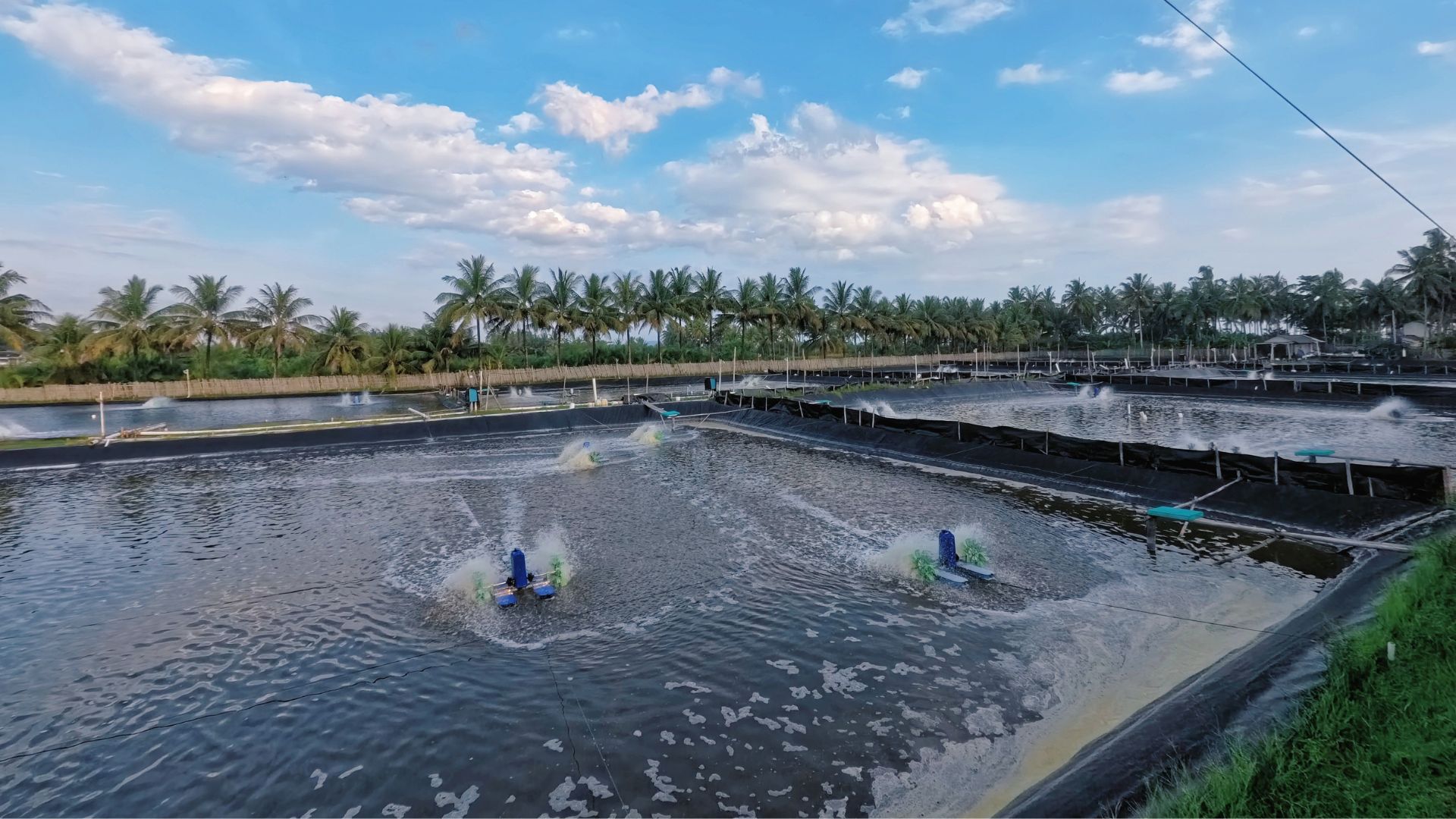
Lagoon aeration problems occur when wastewater lagoons fail to maintain adequate dissolved oxygen (DO) levels and mixing, leading to poor biological treatment, sludge accumulation, odors, and compliance risks. Common causes include equipment failure, insufficient aeration capacity, poor mixing, temperature impacts, and excessive sludge buildup. Identifying and correcting these issues is critical to maintaining lagoon performance and extending system lifespan.
Why Aeration Is Critical in Wastewater Lagoons
Aeration is one of the most important operational components in wastewater lagoon systems. It directly controls how effectively microorganisms break down organic material. In aerated lagoons, oxygen supports aerobic bacteria responsible for stabilizing organic waste. Without sufficient oxygen and mixing, treatment efficiency drops quickly, and the lagoon begins to behave more like an anaerobic system.
This shift can result in:
- Increased BOD and TSS in effluent
- Odor generation (H₂S and volatile compounds)
- Sludge accumulation
- Loss of treatment capacity
Aeration is not just about oxygen—it is also about keeping solids suspended and evenly distributed, which ensures consistent biological activity throughout the lagoon. When solids begin accumulating, it often signals deeper performance issues tied to how sludge buildup impacts lagoon performance
Not sure if your lagoon aeration system is operating efficiently?
A technical evaluation can help identify oxygen limitations, mixing issues, and sludge impacts—before they lead to costly failures.
Talk to a Drylet specialist about your lagoon performance
Common Lagoon Aeration Problems
1. Low Dissolved Oxygen Levels
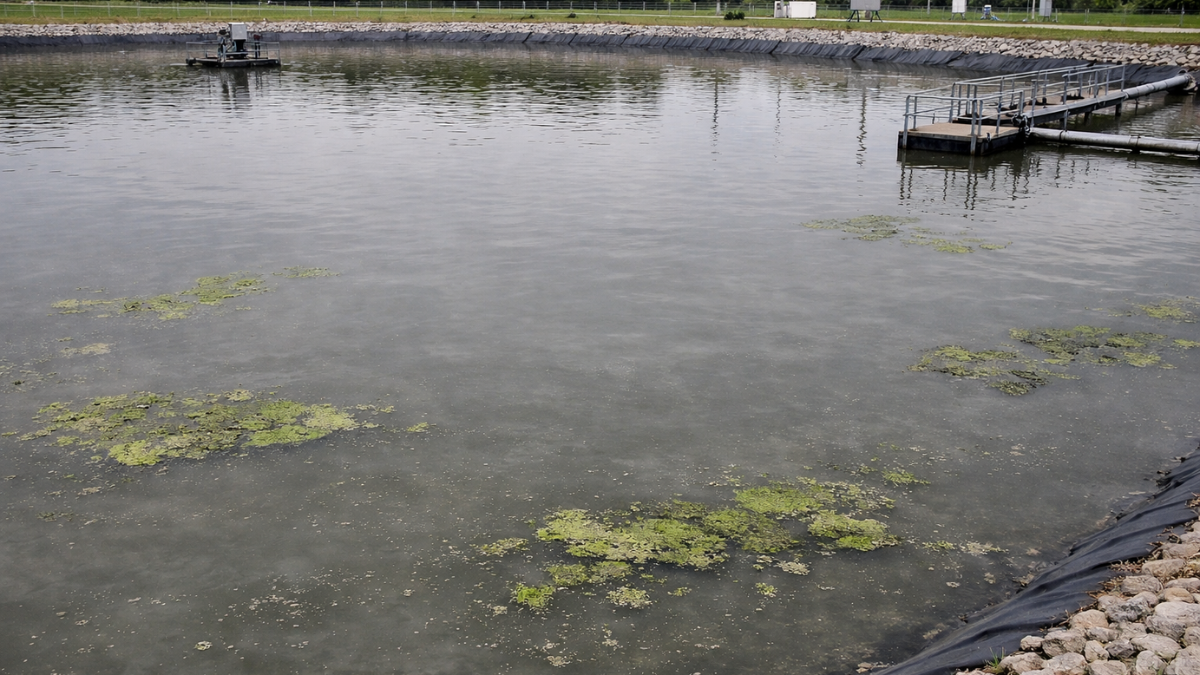
Low dissolved oxygen (DO) is the most common lagoon aeration problem and one of the most damaging.
Most aerated lagoons should maintain DO levels between 1.0–3.0 mg/L, depending on loading and design. When DO drops below this range, aerobic bacteria slow down, and treatment efficiency declines.
Common causes include:
- Undersized aeration systems
- Increased organic loading
- Mechanical aerator failure
- Seasonal temperature changes
Low DO conditions often lead to lagoon stratification, where oxygen is only present near the surface while deeper zones become anaerobic. Low DO conditions often lead to stratification and declining treatment efficiency, which are early indicators highlighted in signs your wastewater lagoon is losing treatment capacity
2. Poor Mixing and Dead Zones

Even when oxygen is being introduced, poor mixing can prevent it from being distributed effectively.
Dead zones occur when parts of the lagoon receive little to no circulation. These areas become anaerobic, allowing sludge to accumulate and untreated wastewater to bypass proper treatment.
Poor mixing is often caused by:
- Incorrect aerator placement
- Insufficient horsepower
- Obstructions from sludge buildup
- Lagoon geometry (long, narrow basins)
Over time, dead zones expand, reducing the lagoon’s effective treatment volume.
3. Aeration Equipment Failure or Inefficiency
Mechanical aerators are exposed to harsh operating conditions and require regular maintenance. When performance drops—even slightly—it can significantly impact oxygen transfer.
Common equipment issues include:
- Worn impellers or motors
- Electrical or control failures
- Reduced oxygen transfer efficiency due to fouling
- Improper run times or cycling
Operators may not immediately notice these issues, but performance degradation shows up in rising effluent values and sludge accumulation.
4. Seasonal and Temperature Impacts
Cold weather reduces biological activity and oxygen transfer efficiency. While cold water can hold more oxygen, microbial metabolism slows significantly, which impacts treatment performance.
Conversely, warm temperatures increase biological activity but also increase oxygen demand.
This imbalance can lead to:
- Oxygen depletion during peak loading
- Increased odor potential
- Rapid sludge accumulation
Seasonal variability plays a significant role in lagoon performance, as outlined in how cold weather impacts wastewater lagoon performance
5. Excessive Sludge Accumulation
Sludge buildup is one of the most overlooked causes of lagoon aeration failure.
As sludge accumulates:
- Oxygen demand increases
- Mixing becomes less effective
- Aerators struggle to circulate deeper zones
- Active treatment volume decreases
This creates a feedback loop where poor aeration accelerates sludge accumulation—and sludge accumulation worsens aeration. Sludge buildup is one of the most overlooked causes of lagoon aeration failure and is a primary driver of long-term performance decline. Regular monitoring using methods outlined in how to measure sludge depth in wastewater lagoons helps operators identify issues before they impact performance.
Signs Your Lagoon Has Aeration Problems
Operators typically notice symptoms before identifying root causes. Common indicators include:
- Persistent low DO readings
- Rising effluent BOD or TSS
- Odors (especially sulfur or septic smells)
- Algae overgrowth or surface scum
- Visible solids carryover
- Increased sludge depth
These are not isolated issues—they are usually interconnected symptoms of inadequate aeration and mixing.
👉 Internal link opportunity: Signs Your Wastewater Lagoon Is Losing Treatment Capacity
How to Troubleshoot Lagoon Aeration Problems
Step 1: Measure Dissolved Oxygen
Start with DO profiling at multiple depths and locations. This helps identify stratification and dead zones.
Step 2: Evaluate Mixing Patterns
Observe flow patterns, surface turbulence, and areas of stagnation. Dye testing can also help identify short-circuiting.
Step 3: Inspect Aeration Equipment
Check for:
- Mechanical wear
- Electrical performance
- Actual vs. design operating conditions
Step 4: Assess Sludge Levels
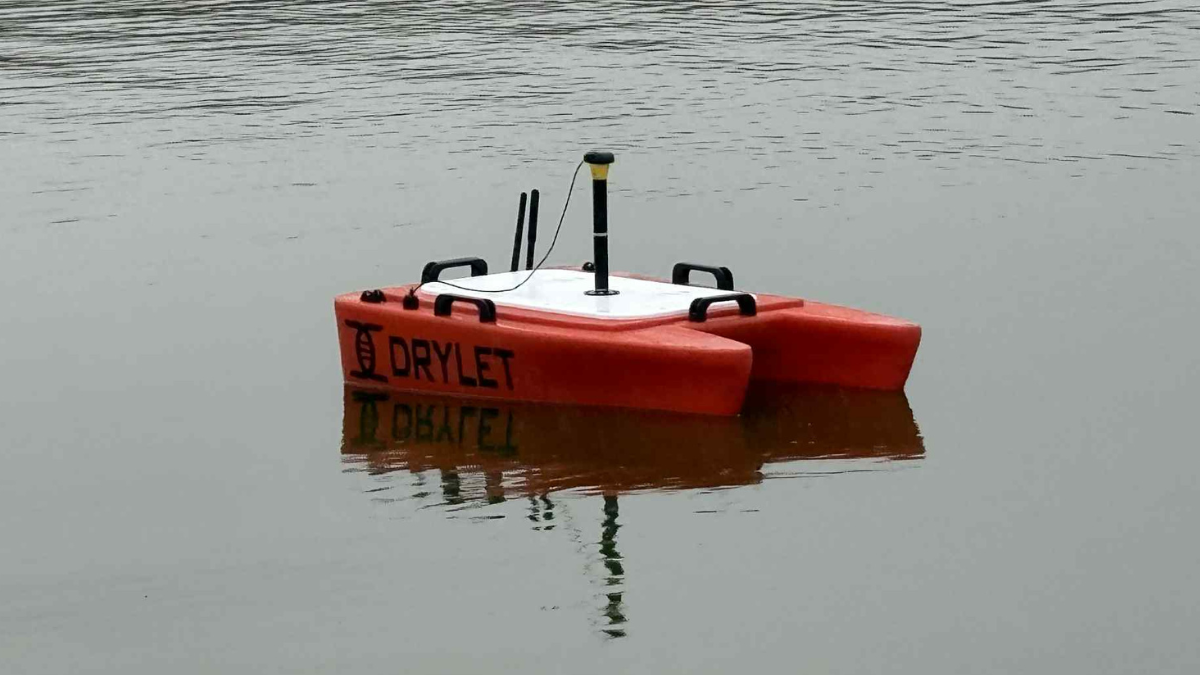
Excess sludge is often the hidden driver of aeration problems. Use sludge measurement tools to determine depth and distribution.
Step 5: Review Loading Conditions
Compare current influent loading to original design capacity. Many lagoons are operating beyond what they were built for.
How to Fix Lagoon Aeration Problems
Solutions depend on the root cause, but most fall into three categories:
1. Mechanical Optimization
Adjust aerator placement, increase runtime, or upgrade equipment to improve oxygen transfer and mixing.
2. Operational Adjustments
Balance loading, manage seasonal impacts, and optimize aeration schedules.
3. Biological Sludge Reduction
Reducing sludge volume improves both oxygen demand and mixing efficiency. Biological treatment approaches—such as targeted bacterial applications—can accelerate sludge digestion and restore effective lagoon volume without the cost and disruption of dredging. These approaches are explained in more detail in how biological sludge reduction works in wastewater lagoons.
The Connection Between Aeration and Sludge Reduction
Aeration problems and sludge accumulation are tightly linked.
When aeration is insufficient:
- Organic solids are not fully degraded
- Sludge accumulates more rapidly
- Oxygen demand increases
When sludge is reduced:
- Oxygen demand decreases
- Mixing improves
- Aeration becomes more effective
Facilities that address both aeration and sludge simultaneously typically see the most significant improvements in performance.
Aeration Problems Are Often a System Problem
Lagoon aeration problems are rarely caused by a single issue. They are usually the result of multiple interacting factors—oxygen transfer, mixing, sludge accumulation, and loading conditions.
Focusing only on aerators without addressing sludge or system balance often leads to temporary improvements at best.
A comprehensive approach that includes:
- Monitoring DO and mixing
- Maintaining equipment
- Managing sludge levels
…is essential for long-term lagoon performance and regulatory compliance.
FAQ: Lagoon Aeration Problems
What is the ideal dissolved oxygen level in an aerated lagoon?
Most systems operate effectively between 1.0–3.0 mg/L, though requirements vary based on loading and design.
Can sludge buildup cause aeration failure?
Yes. Excess sludge increases oxygen demand and reduces mixing efficiency, making aeration systems less effective.
How do I know if my lagoon has dead zones?
Indicators include uneven DO readings, localized sludge buildup, and areas with little visible mixing.
Is upgrading aerators always the solution?
Not always. Many aeration problems are caused by sludge accumulation or poor system balance rather than insufficient equipment.
If your lagoon is struggling with low dissolved oxygen, poor mixing, or increasing sludge levels, the issue is often more complex than aeration alone.
A technical evaluation can help identify the root causes—whether it’s oxygen transfer limitations, sludge accumulation, or system imbalance—and provide a clear path to improving performance.
Talk to a Drylet specialist to evaluate your lagoon and identify practical, data-driven solutions.
Request a Technical Assessment