Signs Your Wastewater Lagoon Is Losing Treatment Capacity
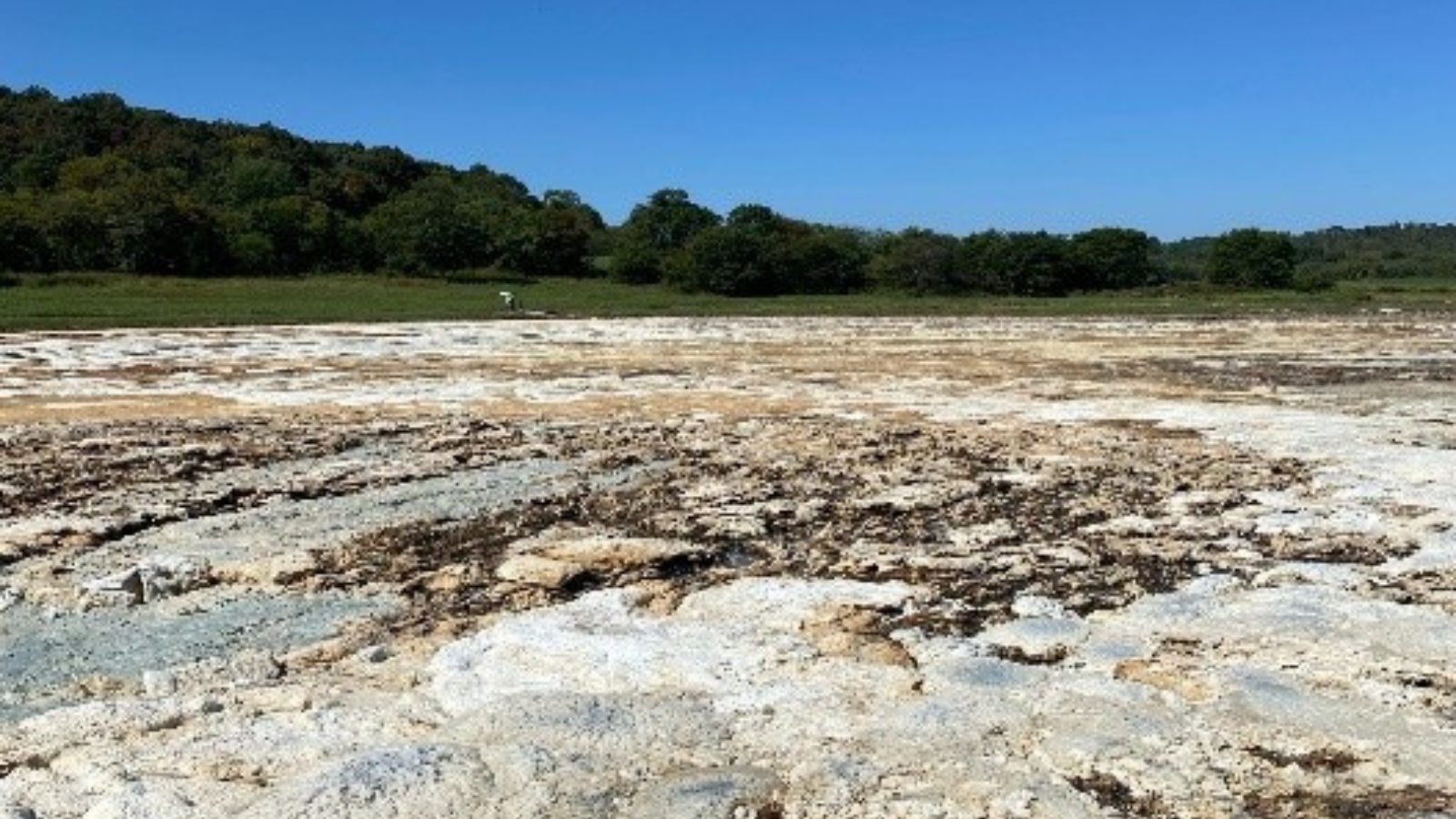
Wastewater lagoons are designed to provide reliable biological treatment over long periods of time. However, as solids accumulate and operating conditions change, lagoon systems can gradually lose effective treatment capacity.
In many cases, operators begin noticing subtle performance changes long before the root cause is fully understood. Rising sludge levels, increasing odors, or declining effluent quality may all indicate that lagoon capacity is being reduced.
Understanding the early signs of wastewater lagoon capacity loss can help operators identify potential problems before treatment performance or regulatory compliance are affected.
Rising Sludge Levels
One of the most common causes of wastewater lagoon capacity loss is the gradual accumulation of sludge on the lagoon bottom. As suspended solids settle over time, they reduce the effective treatment volume available in the system.
Wastewater lagoons rely on sufficient treatment volume for biological processes to occur efficiently. When sludge layers become too deep, the amount of usable water column available for treatment decreases. Learn more about How to Reduce Sludge in Wastewater Lagoons.
Operational Problems Caused by Sludge Accumulation
When lagoon sludge accumulation increases beyond normal levels, several operational issues may begin to appear:
- Reduced wastewater lagoon treatment capacity
- Increased biological oxygen demand (BOD) within the water column
- Greater potential for odor generation
- Higher long-term sludge removal or dredging costs
Sludge layers can also become compacted over time. Compacted sludge is more difficult to remove mechanically and often leads to significantly higher lagoon rehabilitation costs.
Regularly monitoring lagoon sludge depth helps operators understand how solids accumulation is affecting system performance.
Measuring Lagoon Sludge Depth
Operators can measure sludge depth using several field methods including sludge judge measurements, sonar mapping, and sludge core sampling.
Learn more in our guide:
How to Measure Sludge Depth in Wastewater Lagoons
Monitoring sludge accumulation is one of the most important steps in maintaining long-term wastewater lagoon capacity.
Declining Treatment Performance
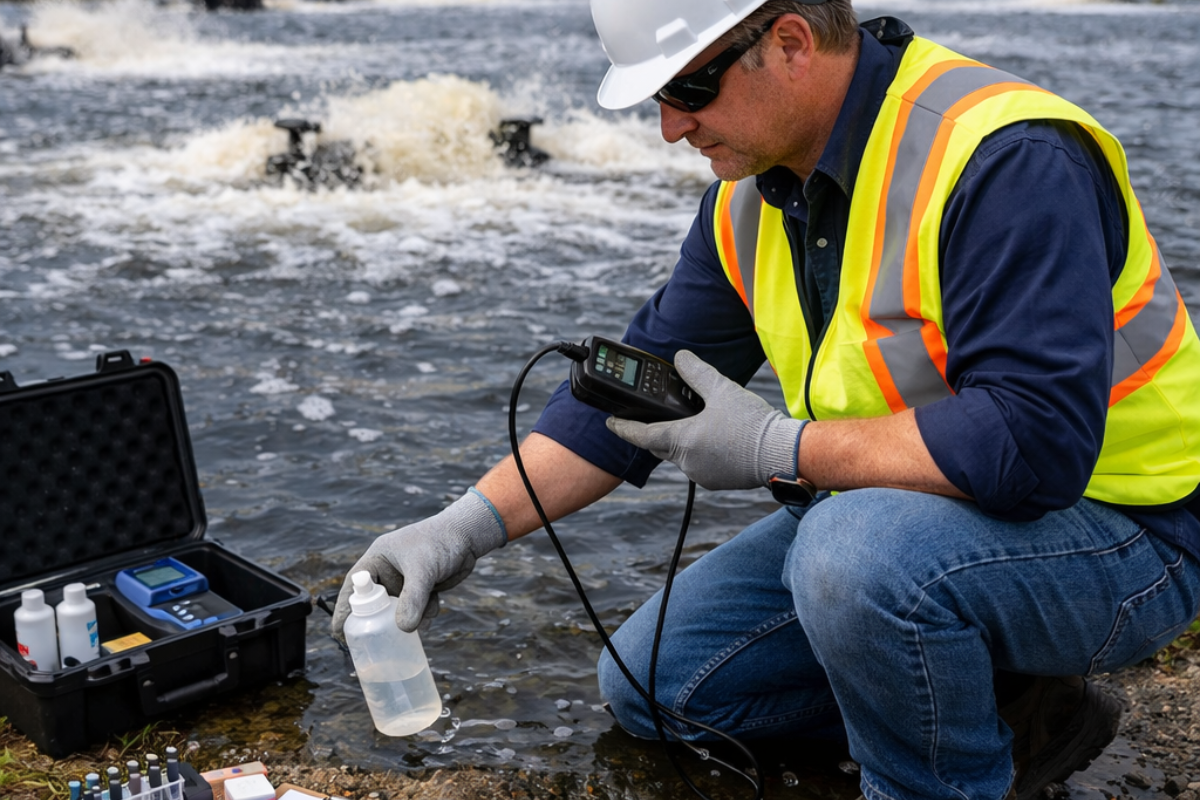
Another warning sign of wastewater lagoon capacity loss is a gradual decline in treatment performance.
Wastewater lagoons depend on adequate hydraulic retention time and active biological zones to break down organic material. As sludge layers increase, the effective biological treatment area within the lagoon can shrink.
Operators may begin noticing several performance changes.
Quick Signs Your Wastewater Lagoon Is Losing Treatment Capacity
Operators may notice several early indicators that lagoon capacity is being reduced:
• Rising sludge levels on the lagoon bottom
• Increasing wastewater lagoon odors
• Higher effluent BOD concentrations
• Poor solids settling in discharge
• Reduced hydraulic retention time
• Greater sensitivity to seasonal loading changes
Identifying these warning signs early allows operators to evaluate lagoon conditions before treatment performance or compliance are affected.
Common Signs of Lagoon Performance Decline
Typical indicators include:
- Higher effluent BOD concentrations
- Reduced solids settling performance
- Increased suspended solids in discharge
- Greater variability in effluent quality
These issues often develop slowly and may initially appear seasonal. However, persistent performance changes can indicate that lagoon sludge accumulation is beginning to reduce treatment capacity. Learn how to notice Signs Your Wastewater Lagoon is Losing Capacity.
In many lagoon systems, solids buildup occurs gradually over many years before operational problems become noticeable.
Increasing Odor Issues
Odor complaints are another common indicator that lagoon conditions may be changing.
As sludge layers accumulate, biological activity at the lagoon bottom often shifts toward anaerobic digestion. Under anaerobic conditions, microorganisms break down organic matter without oxygen and produce gases such as hydrogen sulfide.
Hydrogen sulfide is commonly associated with wastewater lagoon odor problems.
Why Sludge Accumulation Increases Odor Risk
When sludge layers grow thicker:
- Oxygen penetration into deeper layers decreases
- Anaerobic digestion becomes more dominant
- Gas production increases within the sludge blanket
These gases may escape to the surface as bubbles or be released during mixing events caused by wind or seasonal turnover.
While some odor generation is normal in biological treatment systems, persistent or worsening wastewater lagoon odor issues often indicate that sludge levels should be evaluated.
Identifying sludge accumulation early can help prevent odor problems from becoming more severe.
Reduced Hydraulic Capacity

As sludge occupies more physical space within a lagoon, the system gradually loses effective hydraulic volume.
Hydraulic retention time is one of the most important factors in wastewater lagoon treatment performance. The longer wastewater remains in the lagoon, the more time biological organisms have to break down organic material.
When sludge accumulation reduces available volume, retention time decreases.
Impacts of Reduced Hydraulic Retention Time
Reduced hydraulic capacity may lead to:
- Shorter wastewater retention times
- Reduced biological treatment efficiency
- Greater sensitivity to loading fluctuations
- Increased risk of permit exceedances
Reduced lagoon volume can also make treatment systems more vulnerable to storm inflows, seasonal temperature shifts, and sudden loading changes. Even when the lagoon appears unchanged at the surface, significant sludge accumulation beneath the water can substantially alter system performance. For this reason, many municipalities conduct periodic lagoon solids assessments to better understand long-term treatment capacity.
Evaluating Lagoon Conditions
Wastewater lagoon performance is influenced by several factors, including organic loading rates, sludge accumulation, temperature, and biological activity. Because these conditions change over time, many operators periodically evaluate lagoon conditions to understand how their system is performing.
Common Lagoon Evaluation Methods
Lagoon performance assessments may include:
- Sludge depth measurement
- Lagoon solids mapping
- Effluent quality trend analysis
- Hydraulic retention time evaluation
- Historical loading reviews
These evaluations help operators identify developing problems early and support long-term lagoon management planning.
For example, one municipal lagoon system experienced gradually increasing suspended solids in its effluent. After performing a solids mapping survey, operators discovered that accumulated sludge had significantly reduced effective lagoon depth across several areas of the basin.
After implementing biological sludge reduction treatment, the facility was able to restore treatment volume and stabilize lagoon performance.
Read the full story here:
Municipal Lagoon Sludge Reduction Case Study
Technologies designed to accelerate biological digestion of accumulated solids are increasingly used to support lagoon management strategies. Drylet products utilize a patented porous silica carrier that delivers bacteria directly into sludge layers, allowing biological activity to reach compacted solids that traditional treatments may not penetrate effectively.
This approach helps promote gradual solids reduction and improved lagoon treatment stability over time.
Need Help Evaluating Your Lagoon System?
Wastewater lagoons behave differently depending on loading rates, temperature, and system design. When treatment performance begins to decline, identifying the underlying cause is critical.
If your lagoon is showing signs of reduced treatment capacity, evaluating sludge accumulation and overall system conditions can help determine the next steps.
Drylet’s technical team works with municipal and industrial operators to review lagoon performance, assess sludge levels, and identify opportunities to improve biological treatment efficiency.