How to Reduce Sludge in Wastewater Lagoons

Overview: How to Reduce Sludge in Wastewater Lagoons
Reducing sludge in wastewater lagoons requires a combination of biological treatment, operational improvements, and accurate measurement. Sludge forms naturally as solids settle and biological mass accumulates, but excessive buildup reduces treatment capacity and increases costs.
The most effective sludge reduction strategies include:
- Improving biological activity to break down organic solids
- Optimizing aeration and lagoon operations
- Monitoring sludge depth and distribution
- Using biological treatment to reduce sludge in place
Facilities that take a proactive approach can significantly extend lagoon life, improve effluent quality, and avoid costly dredging.
Understanding Sludge Accumulation in Wastewater Lagoons
Request a Technical Assessment to evaluate sludge levels and treatment options
Sludge accumulation is one of the most persistent and costly challenges in wastewater lagoon systems. Over time, solids settle to the bottom of the lagoon, gradually reducing available treatment volume and increasing the organic load placed on the system.
Left unmanaged, this buildup leads to declining performance, odor issues, and eventually expensive corrective actions. For lagoon operators, the goal is not just to remove sludge—but to control and reduce it before it impacts compliance and system stability.
What Causes Sludge Buildup in Wastewater Lagoons?

Sludge forms as a natural byproduct of wastewater treatment. Organic solids settle out of the water column, while biological processes continuously generate new biomass. Inorganic materials such as grit and sand also contribute to long-term accumulation.
As sludge builds up, operators may begin to notice:
- Reduced lagoon depth and treatment volume
- Higher BOD and TSS in effluent
- Odor generation and septic conditions
- Uneven flow and short-circuiting
For a deeper breakdown, see What Causes Sludge Buildup in Wastewater Lagoons?
Why Sludge Reduction Matters
As sludge builds up, it reduces treatment capacity and can lead to performance issues. Learn how to identify these early in Signs Your Wastewater Lagoon Is Losing Treatment Capacity
In addition to reduced capacity, sludge increases the organic loading rate. With less volume available, the same influent creates more stress on the biological system, often leading to lower dissolved oxygen levels and unstable treatment conditions.
Over time, these issues translate into higher operating costs, increased risk of violations, and the potential need for expensive dredging projects.
Methods to Reduce Sludge in Wastewater Lagoons
There is no single solution for sludge reduction. The most effective approach depends on lagoon conditions, sludge depth, and operational goals.
Mechanical Sludge Removal (Dredging)
Dredging is the most direct method of removing accumulated sludge. It restores lagoon volume quickly and provides immediate results.
However, it is also one of the most expensive and disruptive options. Dredging requires specialized equipment, sludge handling, and disposal, which can significantly increase project costs. Because of this, many facilities look for ways to reduce or delay dredging through alternative strategies.
For more insight, see Alternatives to Lagoon Dredging.
Improving Aeration and Mixing
Aeration supports the biological processes that break down organic material in wastewater lagoons. Increasing dissolved oxygen levels helps improve treatment efficiency and can slow the rate of sludge accumulation.
However, aeration alone is not enough to solve sludge problems. While it helps reduce new solids buildup, it does not effectively remove existing sludge layers. In many lagoons, dead zones and uneven mixing allow sludge to continue accumulating in specific areas.
Optimizing Lagoon Operation and Maintenance

Operational practices play a major role in controlling sludge accumulation. Facilities that actively monitor and manage lagoon conditions are better equipped to maintain long-term performance.
Key practices include:
- Routine sludge depth monitoring
- Managing inflow variability
- Maintaining proper retention time
- Preventing short-circuiting
Operators can also use Wastewater Lagoon Troubleshooting Guide to identify performance issues related to sludge buildup.
Biological Sludge Reduction
Biological sludge reduction is one of the most effective long-term strategies for reducing sludge without major capital investment. This approach uses specialized bacteria to break down organic solids within the sludge layer, converting them into simpler compounds such as carbon dioxide and water.
Unlike dredging, which removes sludge, biological treatment reduces it in place. Over time, this can significantly decrease sludge volume while improving overall lagoon performance. Understanding how biological processes function is critical.
See Anaerobic vs Aerobic Wastewater Treatment for a breakdown of how different environments impact sludge digestion.
Sludge Mapping and Measurement
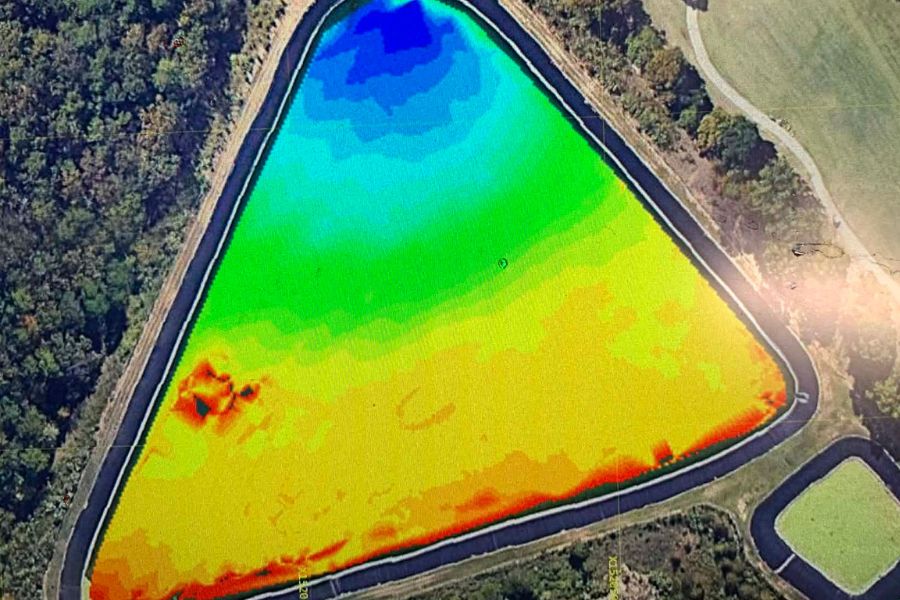
Accurate measurement is essential for effective sludge management. Without reliable data, it is difficult to determine the extent of accumulation or track progress over time.
Sludge mapping technologies, including sonar-based systems, provide detailed insight into sludge depth and distribution. This allows operators to identify problem areas, prioritize treatment, and make informed decisions.
Learn how to measure sludge levels in How to Measure Sludge Depth in Wastewater Lagoons.
Choosing the Right Sludge Reduction Strategy
The best sludge reduction approach depends on lagoon conditions, budget, and operational goals. Facilities with severe accumulation may require mechanical removal, while those with moderate buildup can often rely on biological treatment combined with operational improvements.
In most cases, a proactive and combined approach delivers the best long-term results. Addressing sludge early provides more flexibility and reduces overall costs.
Common Mistakes to Avoid
Many sludge reduction efforts fall short due to a few common issues:
- Waiting too long to take action
- Relying on aeration alone
- Failing to measure sludge depth
- Expecting immediate results from biological treatment
Avoiding these mistakes can significantly improve outcomes and reduce long-term costs.
A Proactive Approach to Sludge Reduction

Reducing sludge in wastewater lagoons is not a one-time fix—it is an ongoing management strategy. Facilities that monitor sludge levels, optimize operations, and implement biological treatment can extend lagoon life and maintain stable performance.
Taking action early allows operators to avoid costly dredging, improve effluent quality, and keep systems operating efficiently.
Frequently Asked Questions
How do you reduce sludge in a wastewater lagoon?
Sludge can be reduced through biological treatment, improved aeration, operational optimization, and in some cases, mechanical removal. Most facilities benefit from a combination of these methods.
Can aeration remove sludge from lagoons?
Aeration helps improve biological activity and reduce new sludge formation, but it does not remove existing sludge layers. Additional strategies are typically required.
What is the most cost-effective way to reduce sludge?
Biological sludge reduction is often the most cost-effective long-term solution, as it reduces sludge in place without the high cost of dredging.
How long does biological sludge reduction take?
Results vary depending on lagoon conditions, but most systems begin to see measurable improvements within a few months, with continued reduction over time.
When is dredging necessary?
Dredging is typically required when sludge accumulation becomes severe and significantly reduces lagoon capacity or impacts compliance.
If sludge buildup is impacting your lagoon performance—or you’re trying to avoid costly dredging—understanding your current sludge levels is the first step.
A technical assessment can help identify sludge depth, evaluate system conditions, and determine the most effective reduction strategy for your specific lagoon.
Request a Technical Assessment to evaluate sludge levels and treatment options
or
Sign up for the Systems & Solids Newsletter to get operator-focused insights on lagoon performance, sludge reduction, and wastewater treatment strategies delivered monthly.