Alternatives to Lagoon Dredging
How to Reduce Lagoon Sludge Without Costly Mechanical Removal
Wastewater lagoons are designed to operate for decades, but sludge accumulation is inevitable. Over time, organic solids settle to the bottom and form a dense sludge layer that reduces treatment capacity, impacts performance, and increases the risk of compliance issues. When this buildup becomes significant, many facilities assume dredging is the only option. Mechanical removal can restore lagoon volume, but it is often one of the most expensive and disruptive maintenance activities a lagoon system will face.
Today, many operators are turning to lagoon dredging alternatives that reduce sludge, restore biological activity, and extend lagoon life without major capital expense.
Concerned about sludge buildup in your lagoon?
Request a technical assessment to evaluate your sludge levels, treatment performance, and options for reducing solids without dredging.
Why Lagoon Dredging Is So Expensive
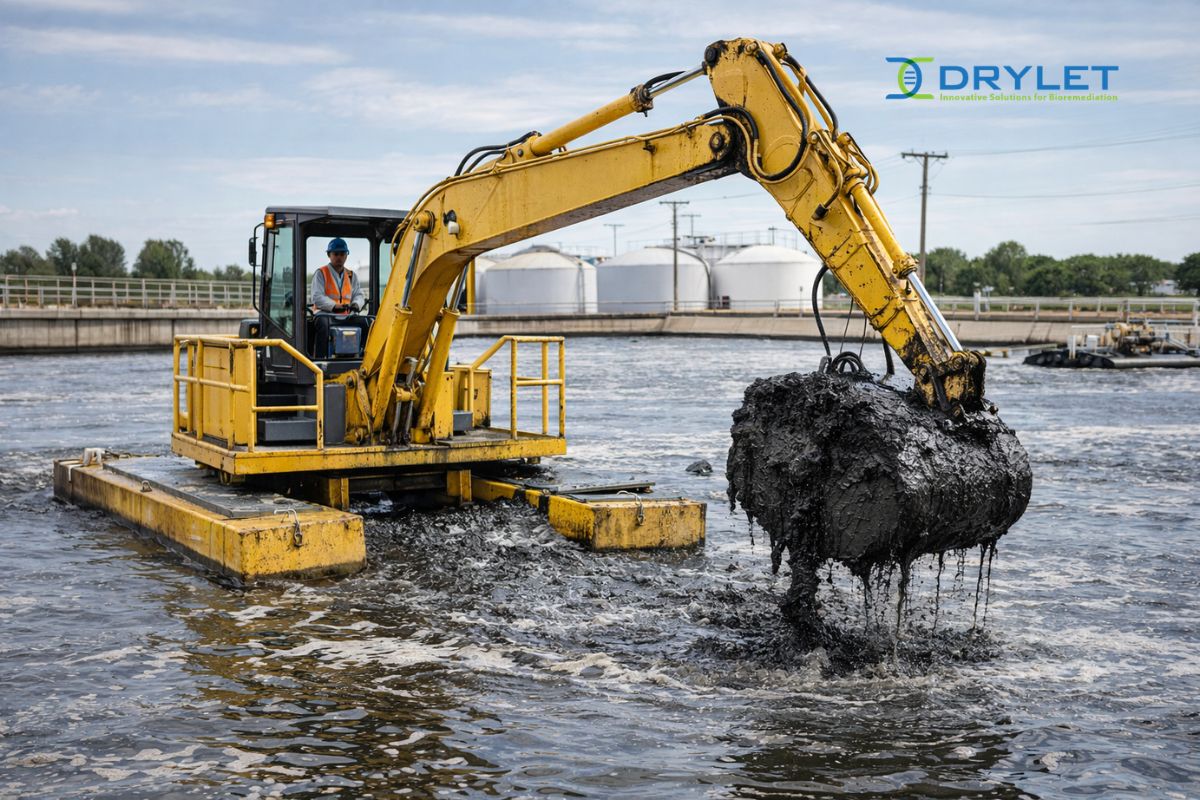
Lagoon dredging is effective, but it requires a complex and resource-intensive process. Projects typically involve mobilizing specialized equipment, removing large volumes of sludge, and managing dewatering and disposal.
In most cases, dredging includes:
- Equipment mobilization and operation
- Sludge pumping and transport
- Dewatering and handling
- Disposal or land application
- Permitting and regulatory coordination
Depending on lagoon size and sludge depth, costs can range from hundreds of thousands to several million dollars.
Beyond cost, dredging also introduces operational challenges. Lagoons may need to be taken offline, flows must be managed carefully, and facilities often face increased odor and environmental risks during the process.
For these reasons, many operators look for lagoon dredging cost alternatives before committing to mechanical removal.
What Causes Sludge to Accumulate in Lagoons
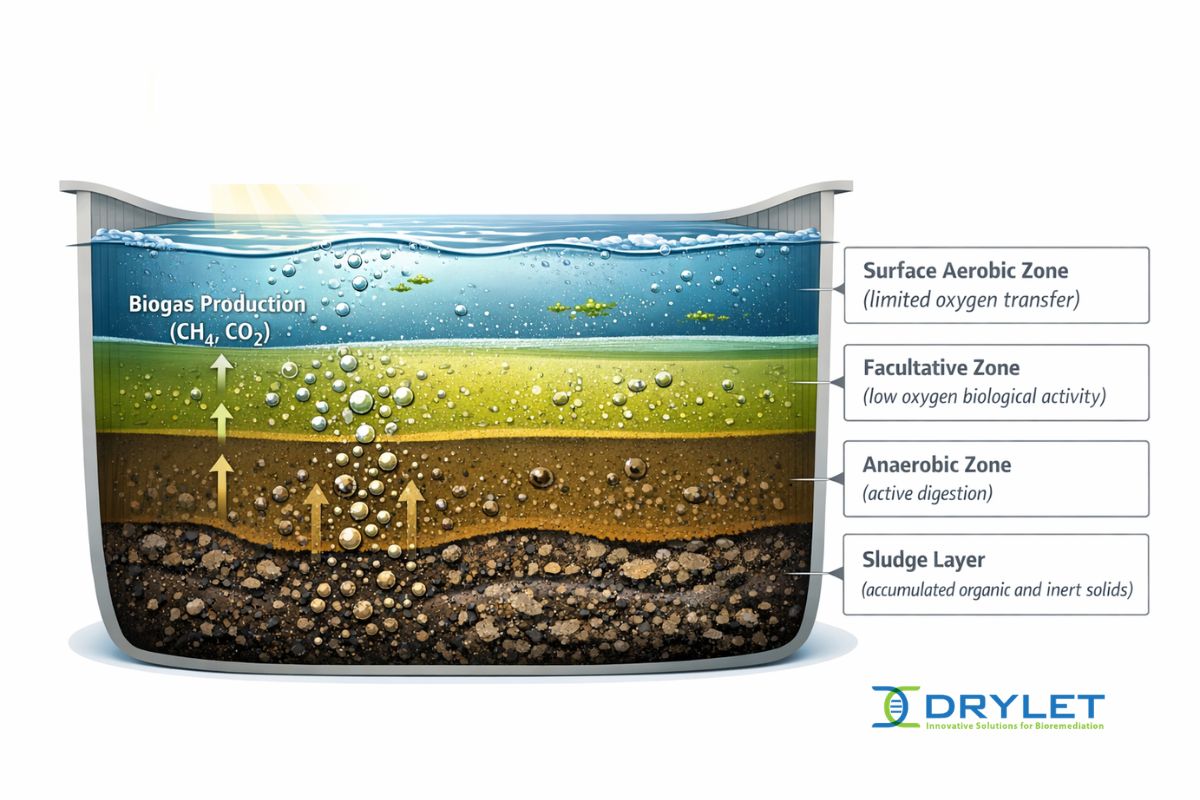
Sludge accumulation is a natural result of lagoon treatment processes, as explained in our guide on What Causes Sludge Buildup in Wastewater Lagoons. As wastewater enters the lagoon, heavier solids settle to the bottom where microbial communities begin breaking down organic material.
During this process, microorganisms convert organic matter into gases such as methane and carbon dioxide. However, digestion is never fully complete. Residual solids, biological biomass, and inert materials gradually accumulate and compact into a sludge layer.
This accumulation tends to accelerate under certain conditions. Cold temperatures can slow microbial activity, while high organic loading can overwhelm the system’s ability to digest incoming material. Over time, this imbalance leads to a steady increase in sludge volume and a gradual loss of effective treatment capacity.
Alternatives to Lagoon Dredging
Several proven strategies can reduce sludge accumulation or restore lagoon performance without immediate dredging. These lagoon sludge reduction alternatives focus on improving biological processes and managing solids more effectively.
Biological Sludge Reduction
Biological sludge reduction is one of the most effective alternatives to dredging because it works with the lagoon’s natural treatment process rather than against it.
This approach introduces specialized bacteria that accelerate the breakdown of organic solids within the sludge layer. As microbial activity increases, accumulated solids are converted into gases and soluble compounds that naturally exit the system. Leran more about Reducing Sludge in Wastewater Lagoons.
When implemented correctly, biological treatment can improve lagoon performance while gradually reducing sludge volume. Facilities often see improvements in treatment capacity, odor reduction, and overall system stability as biological activity becomes more efficient. These approaches are part of a broader strategy of biological sludge reduction in wastewater treatment, which is becoming more widely adopted across municipal and industrial systems.
Carrier-Based Bacterial Technology

Some biological programs use carrier-based bacteria to improve performance in lagoon environments.
In these systems, beneficial microorganisms are delivered on a porous carrier material that helps protect the bacteria and transport them directly into the sludge layer. This allows the microbes to establish more quickly and begin digesting accumulated solids more effectively.
By improving contact between bacteria and sludge, carrier-based systems can significantly enhance the rate of biological digestion compared to traditional approaches.
Aeration Improvements
In aerated lagoon systems, oxygen plays a critical role in maintaining effective biological treatment. When oxygen levels are insufficient, microbial activity slows and sludge accumulation can increase.
Improving aeration enhances the environment for aerobic bacteria, allowing them to break down organic material more efficiently. While aeration alone may not eliminate large volumes of existing sludge, it can significantly reduce the rate of future accumulation and improve overall lagoon stability.
Sludge Mapping and Monitoring
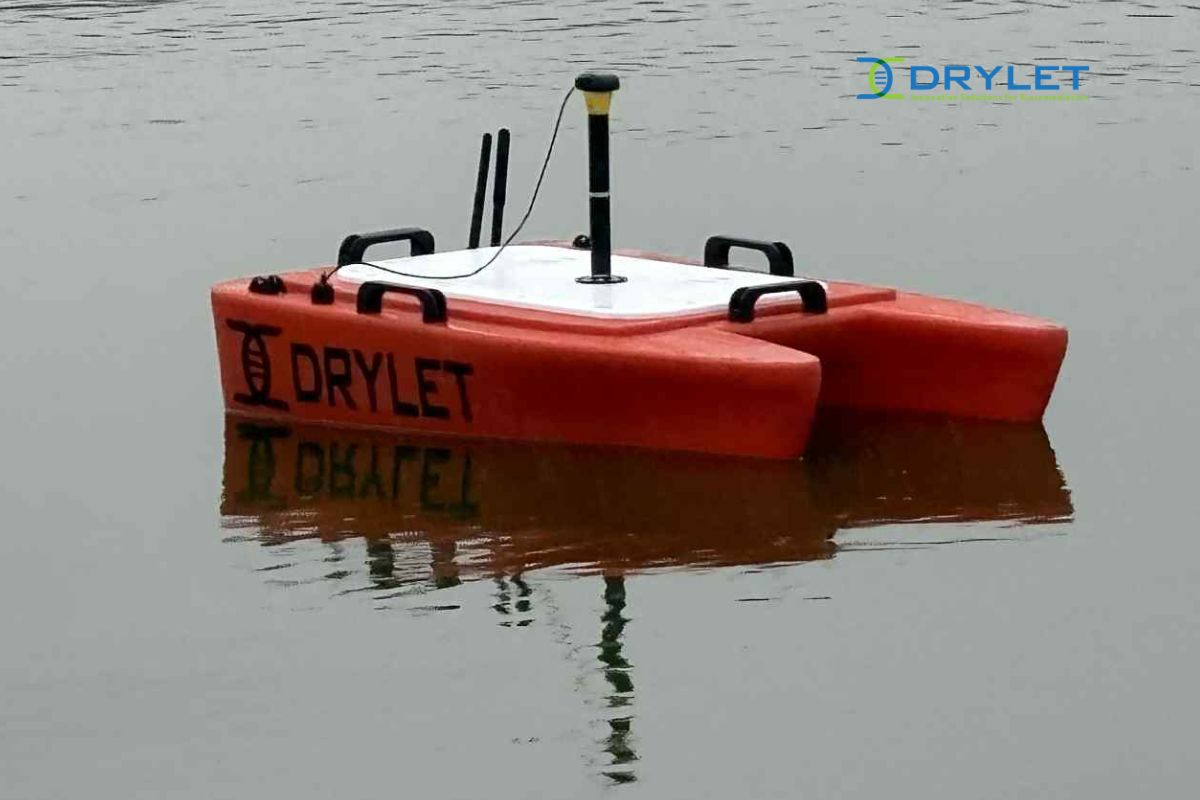
Accurate measurement is essential for effective sludge management. Many lagoons operate for years without a clear understanding of how much sludge has accumulated or where it is concentrated.
Sludge mapping technologies, such as sonar surveys, provide a detailed view of sludge depth across the lagoon bottom. This information allows operators to identify problem areas, track accumulation trends, and make informed decisions about treatment strategies.
In many cases, facilities discover that sludge levels are manageable with biological or operational improvements, delaying the need for dredging. Accurate measurement is critical, and facilities can learn more about this process in How to Measure Sludge Depth in Wastewater Lagoons.
Operational Adjustments
Operational conditions have a direct impact on how quickly sludge accumulates. Small changes in how a lagoon is managed can significantly influence biological performance.
Improving flow distribution, managing organic loading rates, and maintaining proper retention time all contribute to a more stable treatment environment. When these factors are optimized, microbial communities are better able to digest incoming solids, reducing long-term sludge buildup.
Cost Comparison: Dredging vs Biological Sludge Reduction
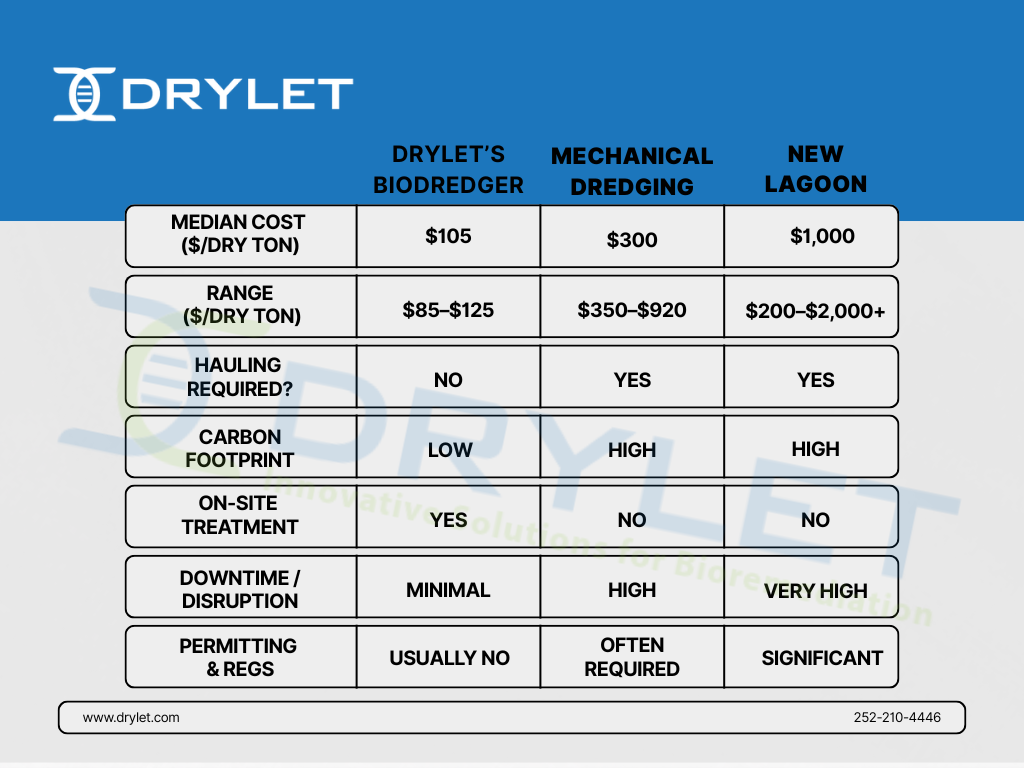
When evaluating lagoon sludge management strategies, cost is often the deciding factor.
Mechanical dredging provides immediate results but requires a large upfront investment and introduces operational disruption. In contrast, biological sludge reduction is a gradual process that works within the system, allowing facilities to improve performance without taking lagoons offline.
The key differences include:
- Dredging removes sludge quickly but at a high cost
- Biological treatment reduces sludge over time with lower ongoing cost
- Dredging requires handling and disposal of solids
- Biological processes convert solids into gases within the system
Many facilities use biological treatment as a long-term strategy to delay dredging, reduce the frequency of major cleanouts, and lower total lifecycle costs.
Sludge Removal Without Dredging Is Increasingly Common
As dredging costs continue to rise, more facilities are adopting strategies focused on sludge removal without dredging.
Advancements in biological treatment and monitoring technologies have made it possible to manage sludge more proactively. Instead of waiting for accumulation to reach critical levels, operators are implementing solutions that maintain lagoon performance over time.
This shift reflects a broader trend toward sustainable, cost-effective lagoon management.
When Dredging May Still Be Necessary
While alternatives can be highly effective, dredging may still be required in cases where sludge accumulation is severe.
When sludge occupies a significant portion of lagoon depth or treatment performance has declined substantially, mechanical removal may be necessary to restore capacity.
Even in these situations, biological treatment can play an important role. Reducing sludge prior to dredging can lower project costs, while continued treatment afterward can help prevent rapid re-accumulation.
A Smarter Approach to Lagoon Sludge Management
The most effective lagoon management strategies take a proactive approach rather than waiting for problems to escalate.
Facilities that combine sludge monitoring, biological treatment, and operational optimization can significantly extend lagoon lifespan and maintain consistent performance without major capital projects., as outlined in How to Extend the Life of Wastewater Lagoons.
By focusing on improving the underlying biological processes, operators can reduce sludge accumulation and avoid unnecessary disruption.
Frequently Asked Questions About Lagoon Dredging Alternatives
Can lagoon sludge be reduced without dredging?
Yes, in many cases lagoon sludge can be reduced without mechanical dredging. Biological sludge reduction programs use specialized bacteria to accelerate the breakdown of organic solids, converting them into gases and soluble compounds that leave the system naturally. While results are gradual, many facilities are able to significantly reduce sludge volume and delay dredging.
How long does biological sludge reduction take?
Biological sludge reduction is not an instant process. Most systems begin showing measurable improvements within a few weeks, but meaningful sludge reduction typically occurs over several months. The exact timeline depends on factors such as sludge composition, temperature, and loading rates.
Is biological sludge reduction effective in cold weather?
Biological activity slows in colder temperatures, which can reduce treatment efficiency. However, properly designed microbial programs can still function in cold conditions, especially when applied consistently. Seasonal fluctuations are normal, but long-term sludge reduction can still be achieved.
How do I know if my lagoon needs dredging?
Signs that dredging may be needed include reduced lagoon depth, declining treatment performance, increased odors, and higher effluent solids. The most accurate way to assess sludge levels is through sludge mapping, which measures sludge depth and distribution across the lagoon.
What is the cost difference between dredging and biological treatment?
Lagoon dredging typically requires a large upfront investment, often ranging from hundreds of thousands to millions of dollars. Biological sludge reduction, on the other hand, is a lower-cost, ongoing treatment approach. While it does not provide immediate results, it can significantly reduce total lifecycle costs by delaying or minimizing the need for dredging.
Can biological treatment eliminate the need for dredging entirely?
In some cases, yes—but not always. Biological treatment is most effective when implemented before sludge accumulation becomes severe. In heavily impacted lagoons, dredging may still be required. However, biological treatment can still reduce sludge levels, improve conditions, and help prevent rapid re-accumulation after dredging.
What types of sludge can be reduced biologically?
Biological treatment is most effective on organic sludge, including material from municipal wastewater, food processing, agriculture, and other biodegradable waste streams. Inorganic materials such as sand, grit, and debris cannot be broken down biologically and will still accumulate over time.
Final Thoughts
Lagoon dredging is not always the only solution to sludge accumulation. With the right combination of biological treatment, monitoring, and operational improvements, many facilities can reduce sludge, restore performance, and delay costly dredging projects. The key is to address sludge accumulation early and support the natural processes that drive lagoon treatment.
If your lagoon is showing signs of sludge accumulation or reduced treatment capacity, now is the time to act. Request a technical assessment to identify sludge levels, evaluate treatment performance, and determine the most effective path forward.
REQUEST A TECHNICAL ASSESSMENT