How to Extend the Life of Wastewater Lagoons

Wastewater lagoons are designed to provide reliable treatment for decades. Many lagoon systems across North America have been operating successfully for 30, 40, or even 50 years. However, many wastewater lagoons begin losing treatment capacity long before the end of their expected lifespan.
The most common cause is gradual sludge accumulation on the lagoon bottom, which slowly reduces the effective treatment volume available for biological treatment.
As sludge builds up, lagoons can experience reduced hydraulic retention time, increased organic loading, odors, and declining effluent quality. The good news is that lagoon lifespan can often be extended significantly through proper monitoring, maintenance, and biological management strategies.
This guide explains:
- Why wastewater lagoons lose capacity over time
- The warning signs of lagoon sludge buildup
- Practical strategies operators use to extend lagoon lifespan
- Alternatives to costly lagoon dredging projects
How Do You Extend the Life of a Wastewater Lagoon?
Extending the life of a wastewater lagoon requires managing sludge accumulation and maintaining strong biological treatment conditions. Lagoon lifespan can often be extended by regularly measuring sludge depth, improving biological digestion of organic solids, monitoring lagoon performance indicators, and addressing solids buildup before treatment capacity is significantly reduced.
Facilities that actively manage lagoon sludge and biological activity reduce expensive dredging while maintaining stable treatment performance.
Key Ways to Extend Lagoon Life
Wastewater lagoon lifespan can often be extended by:
- Measuring lagoon sludge depth regularly
- Monitoring lagoon treatment capacity
- Improving biological digestion of organic solids
- Reducing excess solids accumulation
- Maintaining balanced lagoon biology
- Addressing sludge buildup before dredging becomes necessary
Why Wastewater Lagoons Lose Treatment Capacity

Wastewater lagoons rely on natural biological processes to stabilize organic waste. Solids entering the lagoon gradually settle and form a sludge layer at the bottom. Over time, this sludge layer thickens as new solids continue to settle and accumulate. When sludge buildup is not managed, several operational problems develop.
Reduced Lagoon Volume
As sludge accumulates, the lagoon loses effective treatment depth. Even a relatively thin sludge layer across a large lagoon can significantly reduce available treatment capacity.
For example:
- 12–24 inches of sludge across a lagoon may reduce treatment capacity by 10–20 percent
- Reduced depth shortens hydraulic retention time (HRT)
- Treatment efficiency declines as loading increases
Increased Organic Loading
As the lagoon loses treatment volume, the same wastewater flow places greater biological demand on the remaining treatment capacity.
This can lead to:
- Higher BOD loading
- Dissolved oxygen depletion
- Poor settling performance
- Odor development
Biological Imbalance
Excess sludge can also disrupt the biological balance inside the lagoon.
Thick sludge layers often create heavily anaerobic zones that produce gases such as hydrogen sulfide and methane. These conditions can cause:
- Floating sludge mats
- Foam formation
- Strong odors
- Declining lagoon performance
Over time, these issues compound and gradually reduce the lagoon’s ability to provide stable treatment.
Signs Your Lagoon Is Losing Treatment Capacity
Lagoon operators often notice operational symptoms before identifying sludge accumulation as the underlying cause.
Common warning signs include:
- Increasing odor complaints
- Algae overgrowth or discoloration
- Floating sludge or solids
- Reduced settling performance
- Higher effluent BOD or TSS
- Increased sludge hauling or pumping needs
These indicators typically appear after significant sludge accumulation has already occurred, which is why routine monitoring is critical. Facilities that proactively monitor sludge levels can often address solids accumulation before it becomes a major operational issue.
Measure Sludge Depth Regularly
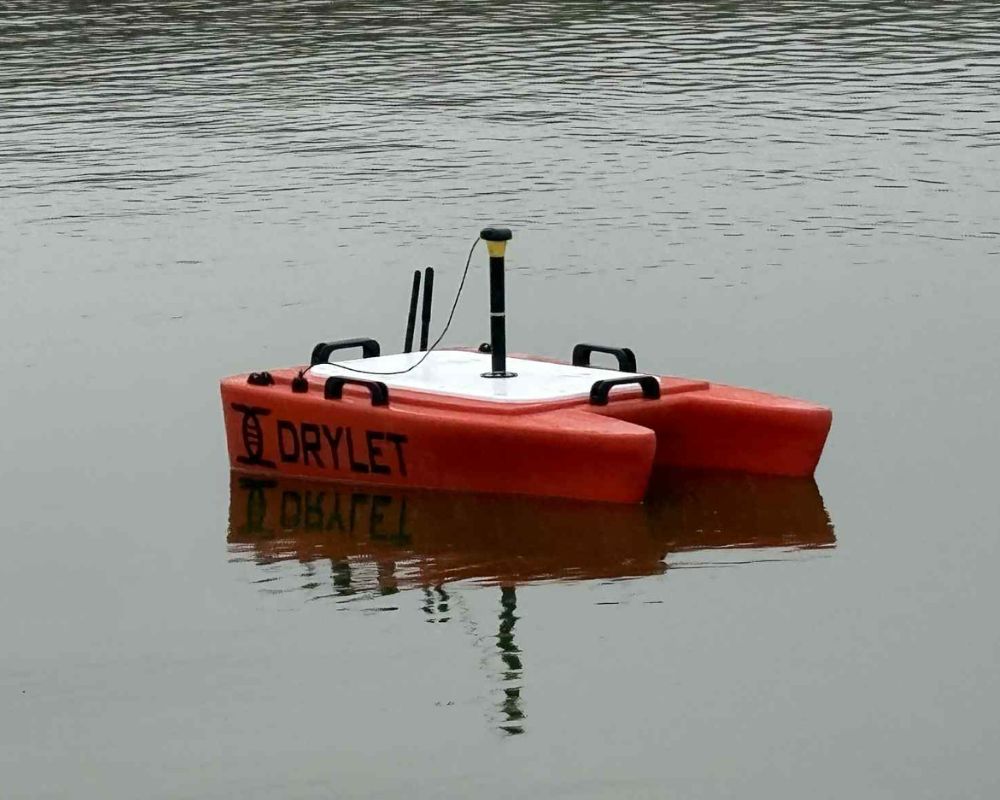
The first step in extending lagoon life is understanding how much sludge has accumulated on the lagoon bottom. Surprisingly, many lagoon systems operate for decades without a full sludge survey. Visual inspections from the surface cannot accurately determine how much treatment capacity has been lost.
Facilities typically measure sludge using several methods:
- Sludge judge poles
- Core sampling
- Sonar mapping
Sonar mapping provides the most complete picture because it creates a detailed map of sludge depth across the entire lagoon floor.
This allows operators to:
- Identify sludge hotspots
- Calculate total sludge volume
- Track accumulation rates over time
- Plan long-term maintenance strategies
Understanding sludge distribution is essential for making informed operational decisions.
Control Solids Accumulation
Once sludge levels are understood, the next step is slowing or reversing further solids buildup.
Several factors contribute to excess solids accumulation in lagoon systems, including:
- Incomplete biological digestion
- High organic loading
- Grease or protein waste streams
- Industrial wastewater inputs
- Shock loading events
Improve Lagoon Biology
Wastewater lagoons depend entirely on biological processes to break down organic material. Bacteria naturally present in wastewater digest organic solids, converting them into gases, water, and stabilized biomass.
However, microbial populations may become less effective over time due to:
- Heavy organic loading
- Nutrient imbalance
- Temperature changes
- Toxic industrial inputs
When microbial digestion slows, sludge accumulates faster than it can be broken down. Some facilities improve lagoon performance by enhancing biological activity with targeted microbial programs designed to accelerate organic digestion.
Improved microbial activity can help:
- Increase digestion within sludge layers
- Reduce volatile solids accumulation
- Improve lagoon stability
- Reduce odor formation
Improved biological activity can significantly delay the need for mechanical dredging.

Evaluate Alternatives to Lagoon Dredging
Lagoon dredging is often considered the final solution when sludge accumulation becomes severe. However, dredging projects can be extremely expensive and logistically complex.
Common challenges include:
- Equipment mobilization
- Sludge dewatering requirements
- Transportation and disposal costs
- Lagoon downtime
- Permitting and environmental regulations
Depending on lagoon size, dredging projects can cost hundreds of thousands to several million dollars. Because of these costs, many municipalities first explore operational or biological strategies that can reduce sludge accumulation gradually. Facilities have reported measurable reductions in lagoon solids when biological digestion is enhanced, allowing lagoons to regain treatment capacity over time.
Monitor Lagoon Performance Long-Term
Extending lagoon life requires ongoing monitoring and proactive management.
Operators should track several key performance indicators, including:
- Sludge depth trends
- BOD loading rates
- Effluent TSS and BOD
- Dissolved oxygen levels
- Odor events
Regular monitoring allows operators to identify trends early and adjust operational strategies before problems escalate. Facilities that actively manage sludge accumulation can often extend lagoon lifespan significantly while avoiding major capital projects.
Key Takeaways for Lagoon Operators
Wastewater lagoons are durable treatment systems capable of operating for decades. However, sludge accumulation gradually reduces treatment capacity if it is not actively managed.
Operators seeking to extend lagoon lifespan should focus on several core practices:
- Measure sludge depth regularly
- Monitor lagoon performance indicators
- Improve biological digestion within the lagoon
- Reduce solids accumulation rates
- Evaluate alternatives before pursuing dredging
With proactive management strategies, many wastewater lagoons can continue operating efficiently for many years beyond their original design expectations.
FAQ
How long should a wastewater lagoon last?
Many wastewater lagoons are designed to operate for 20–40 years or longer. However, sludge accumulation can reduce treatment capacity over time if solids are not actively managed.
What causes sludge buildup in wastewater lagoons?
Sludge buildup occurs as organic solids settle and accumulate on the lagoon bottom. Over time, incomplete digestion allows this material to compact and reduce treatment volume.
How can operators extend lagoon lifespan?
Lagoon lifespan can be extended by monitoring sludge depth, improving biological digestion, managing organic loading, and maintaining proper lagoon operating conditions.
Evaluate Sludge Accumulation in Your Lagoon
Every wastewater lagoon accumulates solids at a different rate depending on loading conditions, lagoon design, and biological activity. Over time, sludge buildup can gradually reduce treatment capacity, increase odor potential, and create operational challenges for lagoon operators.
A technical evaluation can help identify:
- Sludge accumulation levels
- Potential treatment capacity loss
- Opportunities to improve biological digestion
- Strategies to extend lagoon lifespan without costly dredging
If you're interested in evaluating sludge conditions in your lagoon system, Drylet offers a technical lagoon assessment that helps facilities better understand solids accumulation and treatment performance.