The Hidden Cost of Dirty Pipes in Meat Processing: Preventing FOG Buildup and Wastewater Failures

It is 4:30 in the morning. First shift is about to begin at a mid-sized meat processing facility when a maintenance supervisor catches the unmistakable smell of hydrogen sulfide near a floor sump. Within hours, one production line is delayed while crews respond to a blocked drainage line packed with fats, oils, grease, and protein solids.
For many processors, this is not an emergency. It is routine.
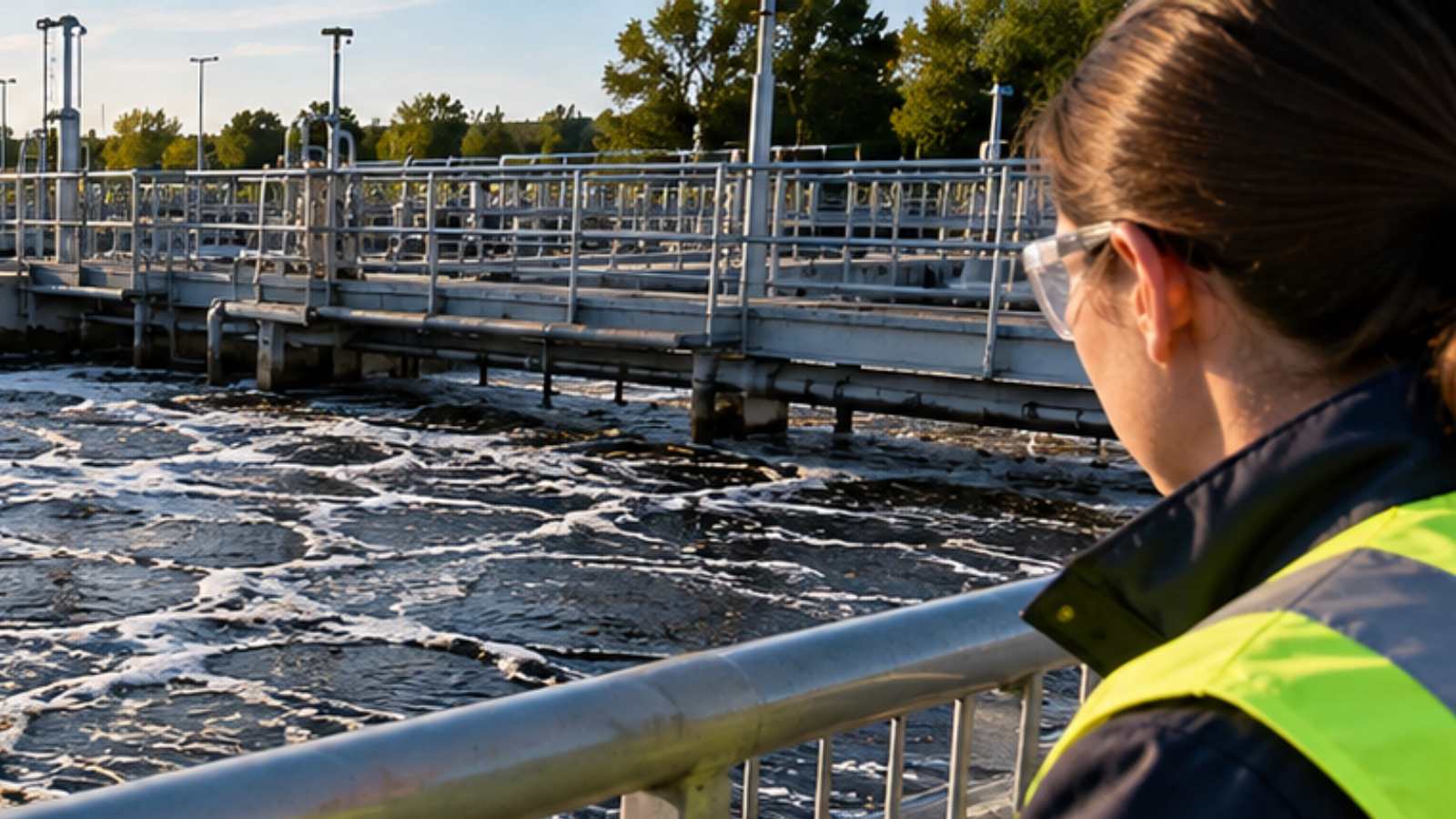
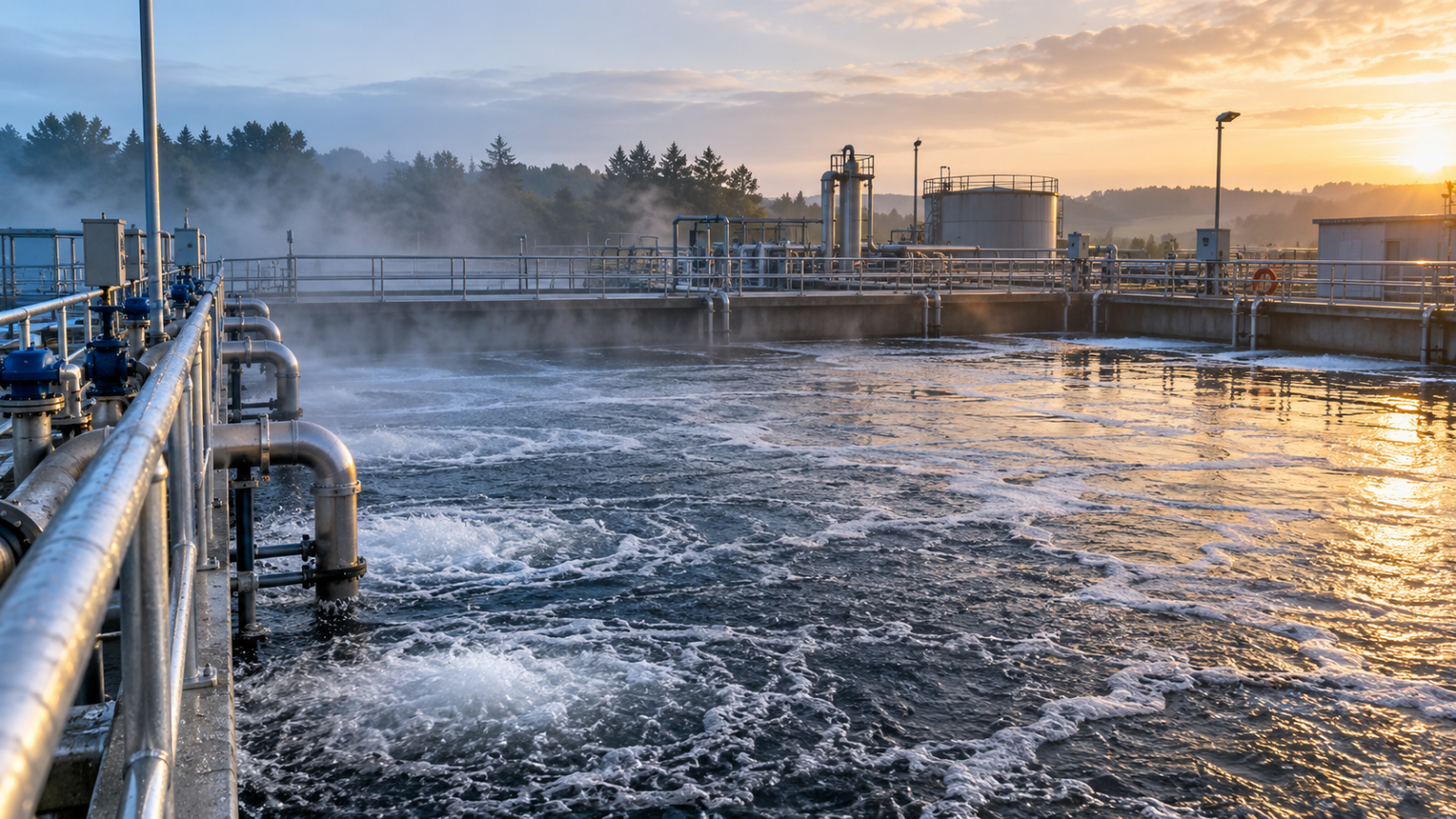
Drain line fouling, odor generation, and organic solids accumulation are often treated as maintenance nuisances, but they frequently signal deeper wastewater performance issues. What begins in floor drains and collection systems can affect equalization tanks, dissolved air flotation systems, anaerobic digesters, lagoons, and even downstream discharge compliance.
For protein processors under pressure to control costs while maintaining production reliability, wastewater maintenance has become less about emergency response and more about process optimization.
Concerned about recurring drain blockages, FOG buildup, or rising wastewater maintenance costs?
Talk to a Drylet specialist about a no-CAPEX technical assessment for your system.

What Causes Drain Blockages in Meat Processing Facilities?
Most recurring drainage failures in meat plants can be traced to a combination of:
- Continuous FOG loading
- Protein and suspended solids deposition
- Low-flow dead zones in process piping
- Biofilm accumulation and anaerobic degradation
- Reactive cleaning strategies that allow buildup to return
Because these issues develop gradually, they often remain hidden until a blockage, odor complaint, corrosion event, or treatment upset forces intervention.
Why FOG Builds Up in Meat Processing Wastewater Systems
Meat processing wastewater presents unusually difficult operating conditions.
Unlike restaurant grease waste, FOG in protein processing is generated continuously through slaughter, rendering, trimming, washdown, and packaging operations. The load is persistent and highly variable.
As fats and proteins accumulate along pipe walls or in low-velocity zones, deposits thicken and trap suspended solids. These deposits can become anaerobic, generating hydrogen sulfide (H₂S), causing odor complaints while accelerating corrosion of pumps, piping, and infrastructure.
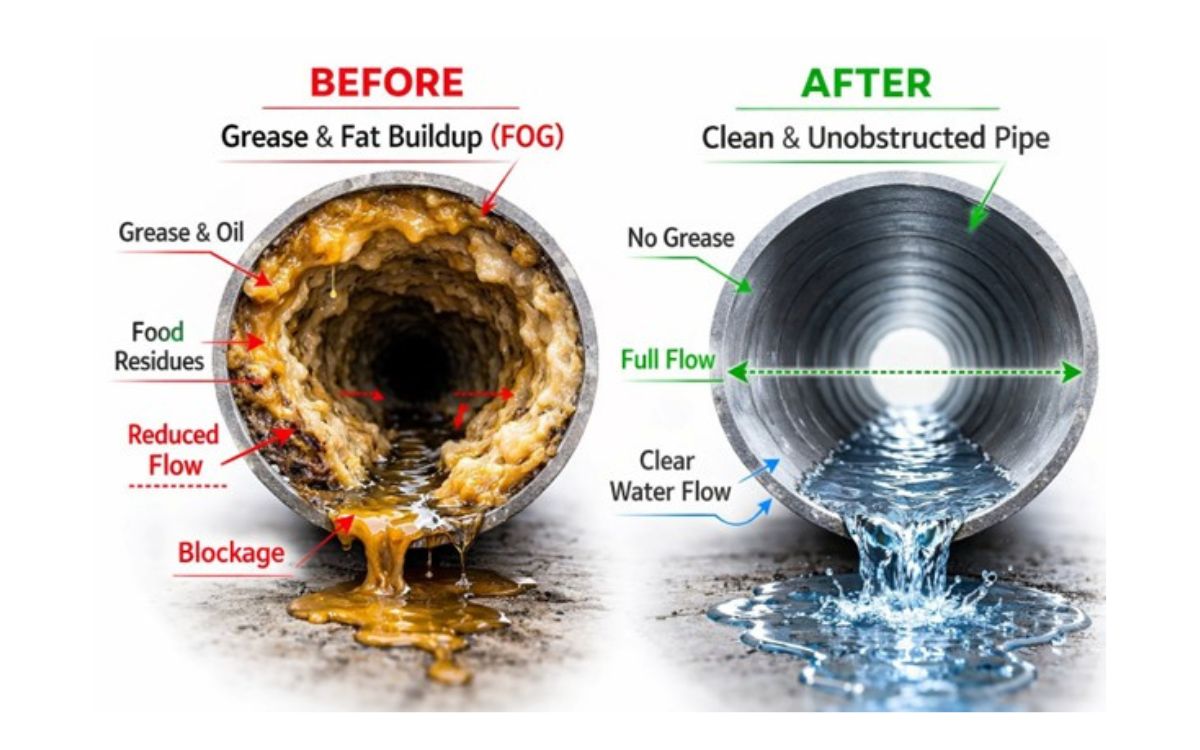
At the same time, unstable organic loading can create swings in downstream treatment performance, particularly in DAF units, lagoons, and biological treatment systems. In many cases, these conditions contribute to the same types of industrial wastewater sludge problems that reduce treatment efficiency and increase operating costs.
This is often where upstream maintenance problems begin affecting broader plant operations.
Why Reactive Drain Cleaning Fails in Protein Processing Plants
Most facilities rely on some combination of chemical dosing, hydro jetting, pressure flushing, or scheduled mechanical cleaning. These methods may remove symptoms, but they rarely stop accumulation from returning.
The problem is not maintenance discipline. It is that reactive cleaning treats buildup after it forms.
That distinction matters.
Repeated emergency cleaning increases labor costs, raises safety exposure, and introduces production risk. Worse, reactive cleaning can become normalized as an unavoidable operating expense.
Many facilities spend years treating recurring symptoms instead of addressing the underlying biological drivers behind accumulation.
Biological FOG Control as a Preventive Strategy
Biological treatment approaches wastewater maintenance differently.
Rather than attempting to chemically dissolve or mechanically remove deposits after they harden, biological treatment continuously accelerates breakdown of grease, proteins, and organic solids at their point of accumulation.

Drylet’s patented carrier technology delivers bacteria directly into the waste mass itself, where microbial populations multiply and begin reducing buildup from within.
In drain lines, sumps, and collection systems, this can help:
- Reduce FOG accumulation
- Minimize odor generation
- Extend intervals between cleanings
- Stabilize loading to downstream treatment
For facilities managing lagoons or anaerobic systems, similar biological principles may also support solids reduction and improved treatment efficiency, as explored in how biological sludge reduction works in wastewater lagoons.
For many operators, the shift is less about replacing maintenance and more about reducing how often disruptive maintenance is needed.
Measurable Results from Preventive Bioremediation
When implemented properly, biological maintenance programs can influence both collection systems and treatment performance.
Documented outcomes in industrial food processing applications have included:
- Reduced FOG accumulation in pipes and sumps
- Lower COD and BOD loading variability
- Reduced hydrogen sulfide emissions
- Fewer odor complaints
- Extended intervals between mechanical cleaning events
In lagoon-based systems, biological treatment has also been used to support significant solids reduction and, in some cases, provide viable alternatives to lagoon dredging.
This is where wastewater maintenance begins moving from expense control into broader asset optimization.
The Economics of Prevention vs Reactive Cleaning
The financial case is often overlooked.
Facilities tend to measure drain cleaning costs directly:
- Chemical purchases
- Jetting contractors
- Emergency maintenance labor
But indirect costs are often much larger:
- Production interruptions
- Sanitation downtime
- Corrosion-related repairs
- Treatment instability
- Compliance risk
When viewed through total cost of ownership, preventive biological maintenance often competes favorably against repeated reactive intervention — particularly when avoiding even one major blockage or shutdown event.
That is why many facilities increasingly evaluate wastewater maintenance as a reliability strategy, not just a sanitation task.
Safety, Compliance, and Sustainability Benefits
There is also a growing compliance dimension.
Reducing dependence on aggressive chemicals can lower operator exposure concerns while supporting broader sustainability goals.

Biological treatment may also support:
- Reduced chemical use
- Lower corrosion rates
- Improved influent stability to anaerobic systems
- Potential support for improved biogas performance
For facilities with ESG reporting or water stewardship goals, those benefits can carry additional value. And importantly, these improvements typically require no major capital investment.
Wastewater Maintenance Is Becoming a Process Strategy
Protein processing facilities have historically treated drainage and wastewater maintenance as something separate from production performance.
That divide is disappearing.
When blocked drains affect uptime, when unstable loads affect treatment costs, and when odor or corrosion create compliance risks, wastewater maintenance becomes an operational strategy. The facilities gaining advantage are often not those cleaning more aggressively. They are the ones preventing accumulation in the first place.
Frequently Asked Questions
How do meat processing plants prevent FOG buildup in drains?
Preventive approaches typically combine operational controls, solids management, and biological treatment to reduce accumulation before blockages form.
Can biological treatment reduce hydrogen sulfide odors?
Yes. By reducing organic deposits that generate anaerobic conditions, biological treatment can help lower H₂S formation.
Does biological treatment replace mechanical cleaning?
In some applications it can greatly reduce or extend cleaning intervals, though some facilities retain periodic cleaning as part of maintenance programs.
Can biological treatment improve lagoon performance too?
Yes. Biological solids reduction programs are often used to improve lagoon capacity and reduce dredging frequency.
Want to Evaluate Whether Biological FOG Control Could Reduce Maintenance Costs?
Talk with a Drylet specialist about a no-obligation technical assessment for your drains, sumps, lagoons, or treatment system.