How Bacteria Break Down Organic Waste in Wastewater Treatment Systems
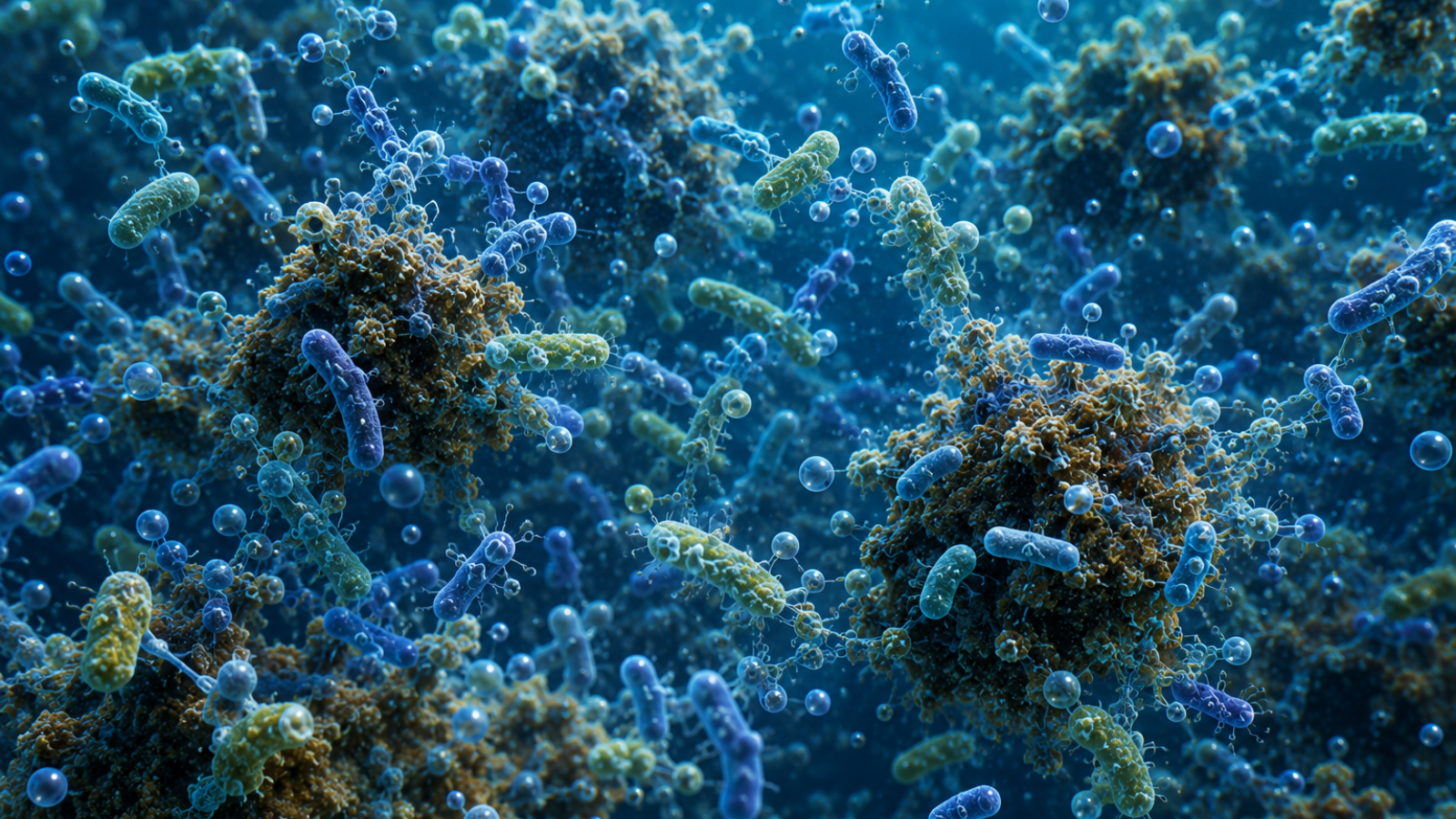
Wastewater treatment depends on billions of microscopic organisms working continuously to remove organic pollutants from water. Among these organisms, bacteria perform the majority of the biological treatment process. Every day, they consume organic waste, stabilize solids, recycle nutrients, and convert pollutants into harmless end products that protect receiving waterways and improve treatment efficiency.
Whether treating industrial wastewater, food processing wastewater, agricultural waste, grease trap waste, or wastewater lagoons, bacterial activity forms the foundation of biological treatment. Mechanical equipment such as pumps, aerators, clarifiers, and lagoons create the proper environment for treatment, but the bacteria perform the biological work of converting organic pollutants into stable, environmentally safe end products.
Understanding how bacteria metabolize organic waste helps operators recognize why treatment performance changes, why biological upsets occur, and how maintaining healthy bacterial populations leads to lower sludge production, fewer odors, and more efficient wastewater treatment.
Key Takeaways
Bacteria are the primary microorganisms responsible for biological wastewater treatment. They consume organic pollutants as a food source, converting them into carbon dioxide, water, new microbial biomass, and stable organic matter. Healthy bacterial populations improve treatment efficiency, reduce sludge accumulation, minimize odors, and support consistent wastewater system performance.
Why Bacteria Are Essential to Wastewater Treatment
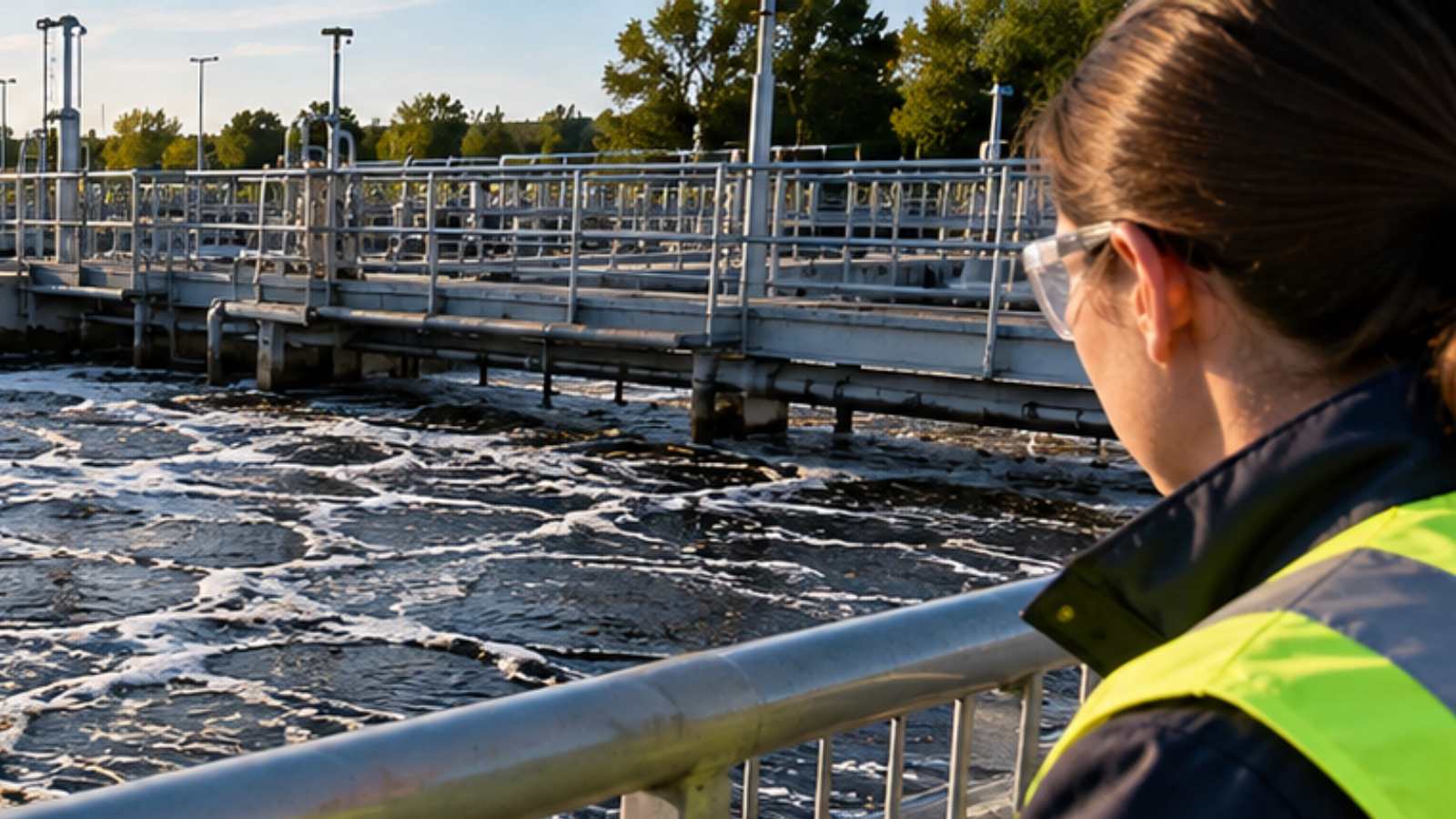
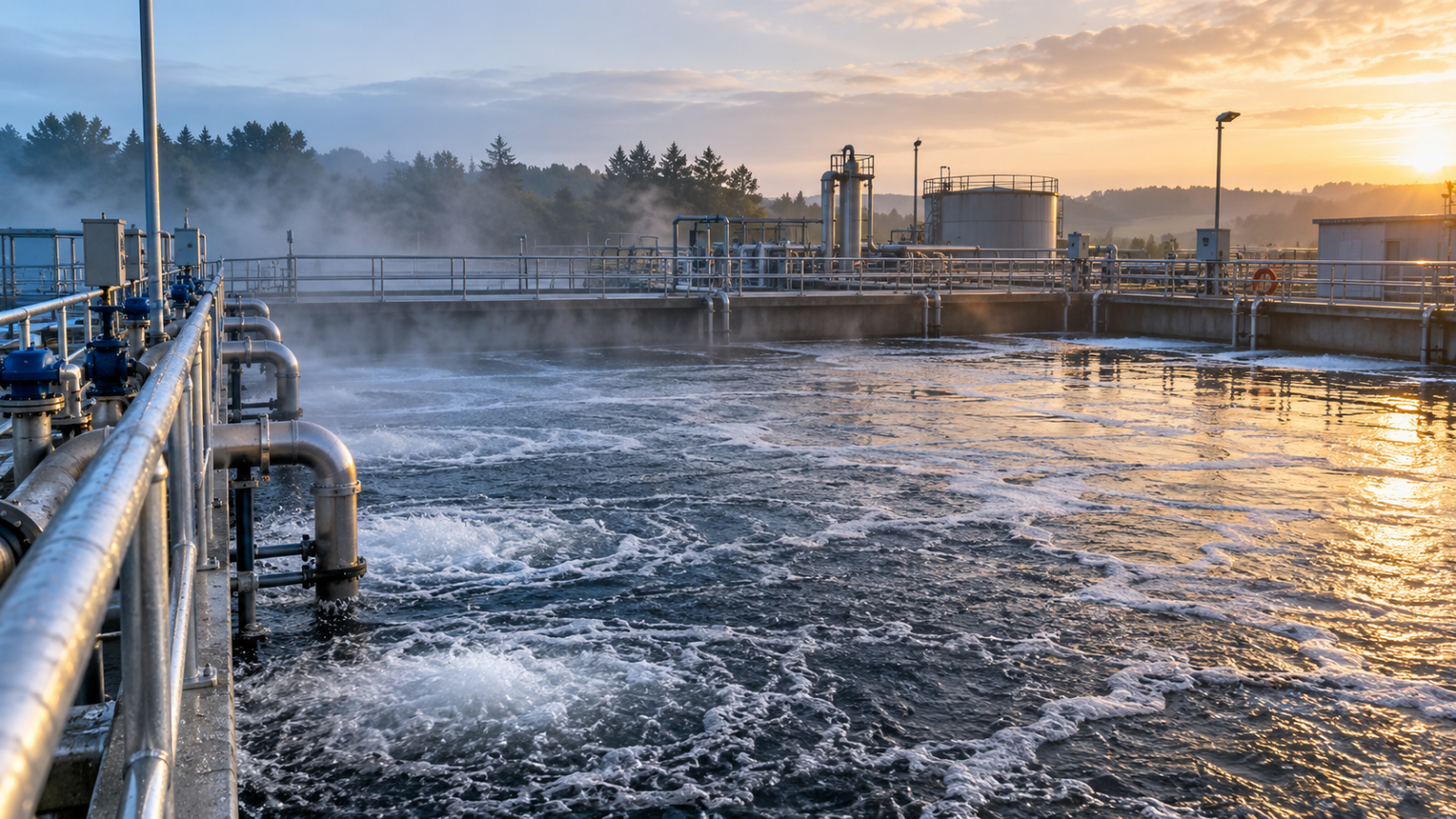
Many wastewater treatment systems appear to rely primarily on mechanical equipment. Aerators add oxygen, pumps move wastewater, clarifiers separate solids, and lagoons provide retention time. However, none of these components actually remove organic pollutants on their own.
Instead, they create favorable conditions for bacteria to thrive. Once wastewater enters a biological treatment process, bacteria immediately begin consuming dissolved and suspended organic compounds. These microorganisms use wastewater as both a food source and an energy source, allowing them to grow, reproduce, and continuously remove contaminants from the treatment system. Without healthy bacterial populations, biological wastewater treatment simply cannot function.
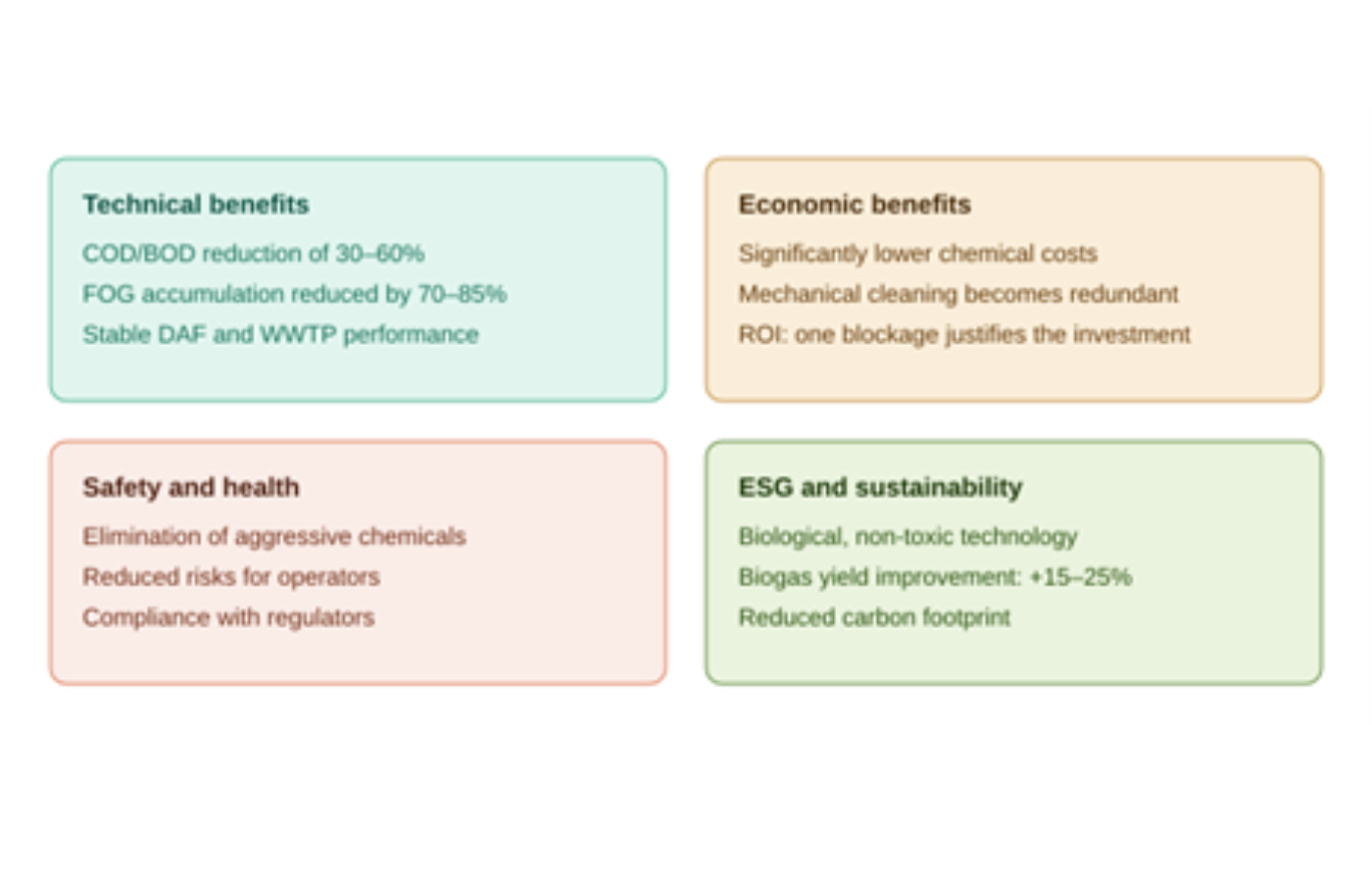
Bacteria are responsible for:
- Reducing biochemical oxygen demand (BOD)
- Lowering chemical oxygen demand (COD)
- Stabilizing organic solids
- Reducing odors
- Supporting nutrient removal
- Breaking down fats, oils, and grease
- Producing cleaner effluent
Virtually every biological wastewater treatment process depends on bacterial activity.
What Do Wastewater Bacteria Eat?
From a biological perspective, wastewater is an abundant source of carbon, nutrients, and energy. Wastewater contains carbohydrates, proteins, fats, oils, grease, sugars, starches, alcohols, organic acids, and countless other carbon-containing compounds. These materials originate from households, food processing facilities, meat processors, breweries, dairies, agricultural operations, and many industrial manufacturing processes.
Bacteria consume these organic compounds by releasing enzymes that break large molecules into smaller, more manageable components. These smaller compounds are then transported into the bacterial cell where they are converted into energy and building materials for growth. As bacteria continue feeding, the concentration of organic pollutants within the wastewater gradually decreases. This biological degradation is the primary reason treatment systems successfully reduce BOD and COD before discharge.
How Bacteria Convert Organic Waste into Harmless End Products
Bacteria do far more than simply consume organic material. Inside each bacterial cell, a complex series of biochemical reactions converts organic pollutants into stable end products.
As bacteria metabolize wastewater, several things occur simultaneously:
- Organic carbon is converted into carbon dioxide.
- Water is produced through normal cellular respiration.
- Nutrients are incorporated into new bacterial cells.
- Complex organic compounds become simpler and more stable.
- Energy is generated for bacterial growth and reproduction.
Some of the consumed material becomes new biomass, while the remainder is released as stable byproducts. This continuous recycling process allows wastewater treatment systems to remove large quantities of organic pollutants every day without relying solely on chemical treatment. The healthier the bacterial population, the more efficiently this biological conversion occurs.
Aerobic Bacteria: The Primary Workforce
Most biological wastewater treatment systems rely heavily on aerobic bacteria. Aerobic bacteria require dissolved oxygen to efficiently metabolize organic matter. Using oxygen during cellular respiration allows these microorganisms to rapidly convert pollutants into carbon dioxide, water, and new biomass.
Aerobic bacteria generally degrade many readily biodegradable organic compounds more rapidly than anaerobic microorganisms. For this reason, many activated sludge systems, oxidation ditches, sequencing batch reactors, and aerated lagoons are designed to maintain adequate dissolved oxygen concentrations.
Healthy aerobic bacterial populations provide several operational benefits:
- Faster organic matter degradation
- Improved BOD removal
- Better effluent quality
- Reduced odor production
- More stable treatment performance
When dissolved oxygen becomes limited, however, biological conditions begin changing rapidly.
What Happens When Oxygen Becomes Limited?
Bacteria respond quickly to changing environmental conditions. When dissolved oxygen concentrations decline, aerobic bacteria become less efficient and anaerobic microorganisms begin occupying portions of the treatment system. As anaerobic activity increases, biological treatment changes significantly.
Instead of producing primarily carbon dioxide and water, anaerobic microorganisms generate compounds such as:
- Hydrogen sulfide
- Methane
- Organic acids
- Ammonia
These compounds are responsible for many wastewater odors and often indicate biological conditions have shifted toward anaerobic metabolism. Persistent anaerobic conditions may also increase sludge accumulation and reduce overall treatment efficiency. For this reason, maintaining appropriate dissolved oxygen concentrations remains one of the most important responsibilities for wastewater operators.
The Role of Enzymes in Biological Wastewater Treatment
Bacteria cannot absorb large organic compounds directly. Instead, microorganisms naturally produce extracellular enzymes that break complex organic matter into much smaller molecules outside the cell. These enzymes act as biological catalysts, allowing proteins, fats, carbohydrates, cellulose, and other organic materials to be converted into compounds that bacteria can absorb and metabolize.
Once these larger molecules have been broken down, bacteria transport the smaller molecules through their cell membranes, where they are converted into energy for growth and reproduction. Without these naturally produced enzymes, biological treatment would be unable to efficiently remove many of the pollutants found in wastewater.
Different wastewater systems require different microbial communities because each type of wastewater contains a unique mix of organic compounds. Food processing facilities, breweries, dairies, rendering plants, and meat processors all generate wastewater with different characteristics, favoring microorganisms capable of producing the enzymes needed to degrade those specific materials.
Bacterial Growth and Reproduction
Under favorable conditions, bacterial populations reproduce rapidly, allowing biological treatment systems to continuously adapt to changing wastewater conditions.
As bacteria consume organic matter, they generate the energy needed to divide through a process known as binary fission. A single bacterial cell can multiply into millions of microorganisms over a relatively short period, creating a dynamic biological community capable of degrading large quantities of organic pollutants. This ability to continually grow and renew is one of the greatest strengths of biological wastewater treatment. As organic loading changes, healthy microbial populations naturally adjust in both size and community composition as treatment conditions change.
To remain healthy and active, microorganisms require appropriate operating conditions, including:
- An adequate food source
- Sufficient dissolved oxygen for aerobic treatment systems
- Suitable temperature
- Stable pH
- Balanced nutrients, including nitrogen and phosphorus
- Minimal concentrations of compounds that inhibit biological activity
When these conditions are maintained, biological treatment systems can provide reliable, efficient removal of organic contaminants with relatively low operating costs. If conditions move outside acceptable ranges, microbial activity slows and treatment efficiency may decline until the biological community recovers or operating conditions are restored.
Why Different Bacteria Perform Different Jobs
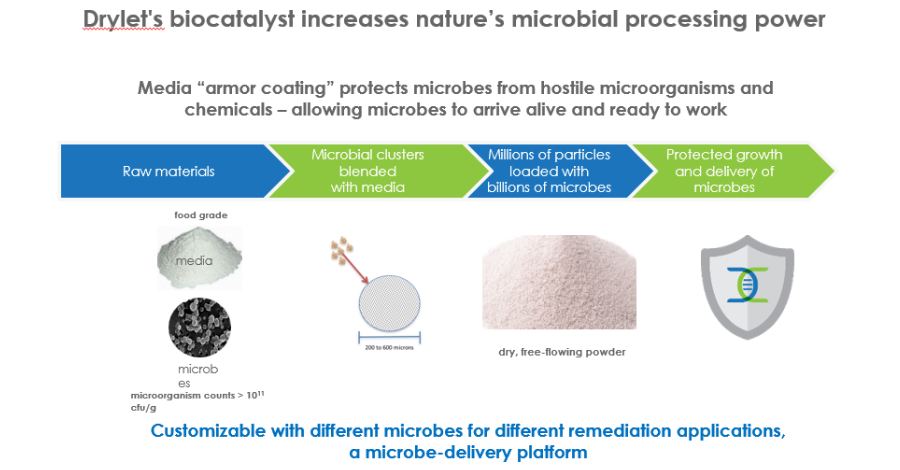
Not all bacteria perform the same function. Effective biological wastewater treatment depends on diverse microbial communities, with different groups of microorganisms specializing in specific biological processes.
Some bacteria readily break down sugars and other simple carbohydrates, while others are better suited to degrading fats, oils, grease (FOG), proteins, cellulose, or more complex organic compounds. Other specialized bacteria carry out essential nutrient removal processes, such as converting ammonia to nitrate through nitrification or removing nitrogen through denitrification.
This diversity allows biological treatment systems to efficiently process wastewater containing hundreds of different organic compounds at the same time. Rather than relying on a single type of microorganism, healthy wastewater biology functions as a balanced ecosystem in which many microbial populations work together to perform complementary roles.
As wastewater characteristics and operating conditions change, microbial communities naturally adjust in both population size and species composition. Maintaining this biological diversity helps treatment systems remain stable, resilient, and capable of handling changing treatment demands.
What Causes Bacterial Populations to Decline?
Healthy microbial communities are remarkably resilient. In well-managed wastewater treatment systems, bacterial populations naturally adjust in both size and community composition as wastewater characteristics, flow rates, and organic loading change. This adaptability is one of the primary reasons biological treatment has become the foundation of modern wastewater management.
However, like any living ecosystem, biological communities perform best within certain operating conditions. Prolonged environmental stress or severe process disruptions can reduce microbial activity, slowing the breakdown of organic pollutants and affecting overall treatment performance.
Common conditions that can inhibit biological activity include:
- Toxic chemical discharges
- Sudden pH changes
- Low dissolved oxygen
- Temperature extremes
- Excessive organic loading
- Nutrient deficiencies
- Hydraulic shock loading
- Extended equipment failures
When these conditions persist, wastewater operators may observe early indicators that the biological community is under stress, including:
- Increased odors
- Higher sludge production
- Poor solids settling
- Elevated BOD or COD
- Foaming
- Floating sludge
- Reduced treatment efficiency
The good news is that biological systems are often capable of recovering once favorable operating conditions are restored. Identifying and correcting the underlying cause early helps maintain a healthy microbial community, minimize operational disruptions, and keep wastewater treatment performing efficiently.
Why Biological Treatment Remains the Preferred Wastewater Treatment Method
Biological treatment is the foundation of most modern wastewater treatment systems because it provides an efficient, sustainable, and cost-effective method for removing organic pollutants. Rather than relying primarily on chemicals or frequent mechanical solids removal, biological treatment harnesses naturally occurring microorganisms to continuously convert organic waste into stable end products.
One of the greatest advantages of biological treatment is its ability to adapt. Healthy microbial communities naturally respond to changes in wastewater composition, organic loading, and operating conditions, allowing treatment systems to maintain performance across a wide range of applications.
When properly managed, biological treatment offers numerous operational benefits, including:
- Lower operating costs
- Reduced sludge accumulation
- Improved effluent quality
- Reduced odors
- Greater treatment stability
- Sustainable long-term performance
These advantages have made biological treatment the preferred approach for municipal wastewater plants, industrial facilities, food and beverage processors, agricultural operations, wastewater lagoons, and many other treatment systems worldwide. By understanding and supporting the biology within the system, operators can maximize treatment efficiency while reducing maintenance requirements and overall operating costs.
Bioaugmentation and Beneficial Bacteria
Most wastewater treatment systems already contain diverse communities of naturally occurring microorganisms that continuously break down organic pollutants. However, industrial wastewater characteristics, seasonal temperature changes, toxic compounds, fluctuating loading rates, and other operational stresses can reduce microbial diversity or limit the activity of beneficial bacteria.
Bioaugmentation is the practice of supplementing these existing microbial communities with carefully selected beneficial microorganisms. Rather than replacing the native biology, bioaugmentation works alongside naturally occurring bacteria to strengthen the overall microbial community and support biological treatment performance.
Depending on the characteristics of the wastewater, selected microorganisms may enhance the degradation of fats, oils, grease (FOG), proteins, cellulose, carbohydrates, and other difficult-to-treat organic compounds. By increasing microbial diversity and biological activity, bioaugmentation can help wastewater systems maintain more consistent treatment under changing operating conditions.
When combined with sound operational practices, bioaugmentation may help facilities:
- Improve biological stability
- Enhance the degradation of complex organic waste
- Reduce sludge accumulation
- Accelerate recovery following biological upsets
- Improve treatment consistency
- Reduce odor generation
Because every wastewater system has unique wastewater characteristics, operating conditions, and treatment objectives, successful bioaugmentation programs should be tailored to the specific needs of the facility rather than relying on a one-size-fits-all approach.
Why Healthy Bacterial Populations Reduce Sludge
One of the most significant benefits of healthy wastewater biology is improved solids management. Efficient bacterial communities convert a greater percentage of incoming organic material into carbon dioxide, water, and stable biological products rather than allowing partially degraded solids to accumulate. When bacterial activity declines, more organic material remains incompletely digested, increasing sludge production over time.
Facilities with stable biological treatment often experience:
- Slower sludge accumulation
- Lower hauling costs
- Improved lagoon capacity
- Better treatment performance
- Reduced dredging frequency
Improving bacterial performance is often one of the most cost-effective long-term strategies for reducing sludge management expenses.
Healthy Bacteria Are the Foundation of Every Successful Treatment System
Every biological wastewater treatment process depends on healthy, active microbial communities. Whether treating industrial wastewater, food processing wastewater, agricultural waste, grease trap waste, municipal wastewater, or lagoon systems, bacteria perform the essential work of breaking down organic pollutants and converting them into stable end products.
Mechanical equipment provides the conditions for treatment, but biology performs the treatment.
Understanding how bacteria grow, reproduce, adapt, and respond to changing operating conditions allows operators to make better process decisions and maintain more stable treatment performance. Supporting a healthy biological community can improve organic matter degradation, reduce sludge accumulation, minimize odors, enhance effluent quality, and lower long-term operating costs.
Successful wastewater treatment is more than managing equipment—it's about managing the living biological community that makes treatment possible. Facilities that understand and support their wastewater biology are better positioned to achieve reliable performance, greater operational efficiency, and long-term treatment success.
Frequently Asked Questions
How do bacteria clean wastewater?
Bacteria clean wastewater by consuming dissolved and suspended organic matter as a food source. Through natural biological processes, they convert pollutants into carbon dioxide, water, new microbial biomass, and stable organic matter, significantly improving water quality before discharge.
Why are bacteria important in wastewater treatment?
Bacteria perform the majority of biological treatment by breaking down organic pollutants that mechanical equipment cannot remove on its own. Without healthy bacterial populations, wastewater treatment efficiency declines, sludge accumulation increases, and odors become more common.
Do all wastewater treatment systems use bacteria?
Yes. Most industrial wastewater systems, wastewater lagoons, activated sludge plants, anaerobic digesters, food processing facilities, and agricultural wastewater treatment systems rely on bacteria as the primary organisms responsible for removing organic pollutants.
What causes bacteria to stop working in wastewater treatment?
Bacterial activity can decline due to low dissolved oxygen, toxic chemicals, sudden pH changes, temperature extremes, excessive organic loading, nutrient deficiencies, or hydraulic shock loading. These conditions may lead to biological upsets and reduced treatment performance.
Can beneficial bacteria reduce sludge accumulation?
Healthy bacterial communities can improve the breakdown of organic solids, allowing more material to be biologically stabilized rather than accumulating as sludge. Maintaining active biological populations is one of the most effective long-term strategies for reducing sludge production and improving treatment efficiency.
Can bacteria adapt to changing wastewater?
Yes. Healthy microbial communities naturally adjust to changes in wastewater composition, flow, and organic loading by shifting population size and species composition. Maintaining favorable biological conditions allows these communities to remain resilient and continue providing effective treatment.
Request a Free Technical Wastewater Assessment
Healthy bacterial populations are the foundation of efficient biological wastewater treatment. If your facility is experiencing excessive sludge accumulation, odors, inconsistent treatment performance, or biological upsets, Drylet can help evaluate biological treatment strategies that improve performance without major infrastructure upgrades.
👉 Request a Free Technical Assessment
Stay Informed with S2: Systems and Solids
The best wastewater operators never stop learning. Subscribe to S2: Systems and Solids, Drylet's technical newsletter, for practical wastewater treatment insights, biological treatment best practices, real-world case studies, industry trends, and new educational resources designed to help you optimize system performance and reduce operating costs.
👉 Subscribe to S2: Systems and Solids
Interested in Becoming a Drylet Distributor?
Drylet is expanding its distributor network across industrial wastewater, food processing, agriculture, rendering, municipal, and FOG wastewater markets. Join a growing network delivering sustainable biological treatment solutions.