Wastewater Lagoon Sludge Removal Methods
.jpg)
Wastewater lagoon sludge can be removed using mechanical dredging, hydraulic pumping, drying and excavation, or biological treatment. Dredging and excavation provide immediate results but are costly and disruptive. Biological treatment reduces sludge over time at a lower cost with minimal disruption. The best method depends on sludge volume, budget, and operational constraints.
Sludge accumulation is one of the most common and costly challenges in wastewater lagoon systems. As solids build up over time, lagoon depth decreases, treatment efficiency declines, and the risk of permit violations increases. For operators and facility managers, understanding how to remove sludge effectively—and when to act—is critical to maintaining long-term lagoon performance.
This article breaks down the most common wastewater lagoon sludge removal methods, including their advantages, limitations, and real-world operational considerations.
Talk to a Drylet Specialist
Why Sludge Removal Matters
As sludge accumulates, lagoon performance begins to decline in ways that are often gradual—but impactful:
- Hydraulic retention time decreases
- Treatment capacity is reduced
- Short-circuiting becomes more likely
- Odor and gas production increase
These issues typically begin long before a lagoon is considered “full,” which is why early identification matters. Many operators first notice warning signs such as reduced clarity, increased solids carryover, or inconsistent effluent—covered in more detail in Signs Your Wastewater Lagoon Is Losing Treatment Capacity.
Understanding the root cause is just as important. Sludge buildup is not just a function of time—it is influenced by loading, biology, and system design, as explained in [What Causes Sludge Buildup in Wastewater Lagoons?].
1. Mechanical Dredging

Overview
Mechanical dredging physically removes accumulated sludge from the lagoon bottom using specialized equipment such as hydraulic dredges or excavators.
How It Works
Sludge is agitated, pumped as a slurry, and transported to dewatering equipment before being hauled off-site or land-applied.
Advantages
- Immediate removal of large sludge volumes
- Rapid restoration of lagoon depth
- Predictable, measurable results
Limitations
Mechanical dredging is one of the most effective methods—but also the most disruptive. Costs can be significant, often reaching hundreds of thousands to millions of dollars depending on lagoon size. In addition, dredging operations may require partial shutdowns and introduce logistical challenges around dewatering and disposal.
Best Fit
Dredging is typically reserved for lagoons that are already at or near critical capacity or facing compliance pressure.
2. Hydraulic Pumping and Agitation
Overview
This method uses pumps or mixers to resuspend sludge and move it within the lagoon or transfer it elsewhere.
How It Works
Sludge is brought into suspension through agitation, allowing it to be pumped or redistributed.
Advantages
- Lower upfront cost compared to dredging
- Can be implemented without full system shutdown
- Useful for addressing localized accumulation
Limitations
This approach does not remove solids—it simply relocates them. In many cases, this can create additional challenges, including increased turbidity or downstream impacts.
Best Fit
Hydraulic methods are most useful as a short-term or supplemental strategy, particularly in lagoons with uneven sludge distribution.
3. Drying and Excavation
Overview
Drying and excavation involves taking a lagoon offline, allowing sludge to dry, and removing it using heavy equipment.
How It Works
After dewatering, sludge is left to consolidate before excavation and removal.
Advantages
- Thorough removal of accumulated solids
- Potential for land application or reuse
- No need for complex pumping systems
Limitations
This method requires taking a lagoon out of service and is highly dependent on weather conditions. Drying time, odor management, and labor requirements can all impact feasibility.
Best Fit
Dry excavation is most practical in systems with multiple lagoons where one cell can be taken offline during maintenance.
4. Biological Sludge Reduction
Overview
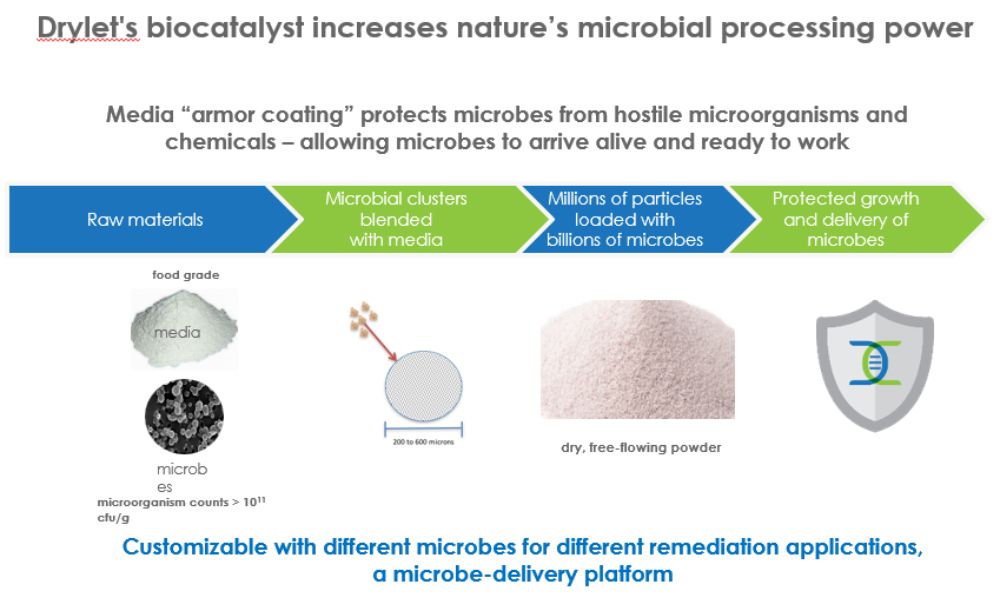
Biological treatment uses specialized bacteria to break down organic sludge in place, reducing solids without physical removal.
How It Works
Microorganisms are introduced directly into the lagoon, where they accelerate the digestion of accumulated organic material.
Advantages
- No system shutdown required
- Minimal operational disruption
- Lower overall cost compared to dredging
- Improves overall treatment performance over time
Limitations
Unlike mechanical methods, biological treatment is not immediate. Results occur over time and depend on proper application and system conditions.
Best Fit
Biological sludge reduction is ideal for facilities looking to reduce sludge accumulation progressively and avoid large capital events.
For operators interested in the science and real-world application, How Biological Sludge Reduction Works in Wastewater Lagoons provides a deeper breakdown of how these systems function.
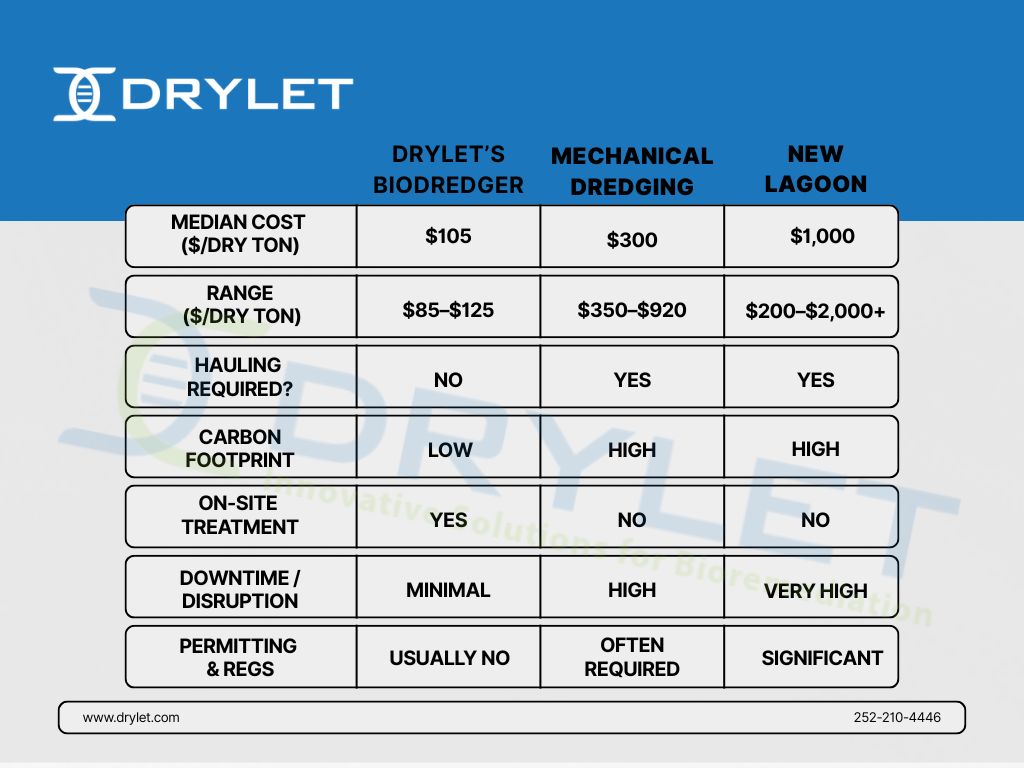
Comparing Sludge Removal Methods
Choosing the Right Approach
Selecting the right sludge removal method depends on a combination of operational and financial factors.
The most important starting point is understanding how much sludge is actually present and where it is located within the lagoon. Without accurate data, decisions are often based on assumptions, which can lead to unnecessary costs or ineffective solutions.
A clear measurement strategy—such as the methods outlined in How to Measure Sludge Depth in Wastewater Lagoons—helps operators make informed decisions and prioritize the right approach.
In many cases, facilities benefit from combining methods. For example, biological treatment can be used to slow accumulation and extend lagoon life, reducing the frequency or scale of future dredging.
Operational Considerations Often Overlooked
Beyond method selection, several practical factors can significantly impact success:
- Sludge composition (organic vs. inert material)
- Lagoon configuration and flow patterns
- Seasonal temperature impacts
- Disposal and hauling logistics
Ignoring these variables can lead to underperformance—even when the “right” method is selected on paper.
FAQ
What is the most effective way to remove lagoon sludge?
Mechanical dredging is the fastest and most complete method, but biological treatment can achieve significant long-term reduction with less disruption.
How often should sludge be removed from a lagoon?
Most lagoons require sludge management every 10–20 years, depending on loading and operational practices.
Can sludge be reduced without dredging?
Yes. Biological treatment can reduce organic sludge and, in many cases, delay or eliminate the need for dredging.
How do I know if my lagoon needs sludge removal?
Common indicators include reduced depth, declining effluent quality, increased odors, and loss of treatment capacity.
Every lagoon accumulates solids differently—and the wrong removal strategy can cost hundreds of thousands more than necessary.
A technical assessment can help you:
- Quantify actual sludge accumulation
- Identify the most cost-effective removal approach
- Determine whether dredging can be delayed or avoided
If you’re starting to see performance changes or planning ahead for sludge management, this is the best place to begin.
Request a Technical Assessment