Industrial Wastewater Solids Management Strategies to Reduce Sludge Accumulation and Disposal Costs

How to Reduce Sludge Accumulation, Preserve Treatment Capacity, and Lower Disposal Costs
Industrial wastewater treatment facilities spend millions of dollars each year managing sludge. Whether the treatment system consists of lagoons, aeration basins, dissolved air flotation (DAF) systems, clarifiers, digesters, or equalization tanks, solids accumulation remains one of the most significant factors affecting long-term treatment performance and operating costs.
While most facilities focus heavily on effluent compliance metrics such as biochemical oxygen demand (BOD), chemical oxygen demand (COD), total suspended solids (TSS), and nutrient removal, the gradual accumulation of solids within the treatment process often receives far less attention. Yet solids accumulation directly impacts treatment capacity, biological efficiency, energy consumption, odor generation, and sludge disposal expenses.
In many cases, wastewater treatment problems that appear to be equipment failures, loading issues, or operational challenges are ultimately traced back to one underlying cause: excessive solids accumulation.
Understanding how solids are generated, how they accumulate, and how they can be biologically reduced is critical for maintaining efficient and cost-effective wastewater treatment operations.
What Is Industrial Wastewater Solids Management?
Industrial wastewater solids management refers to the monitoring, control, reduction, treatment, storage, and disposal of solids generated throughout the wastewater treatment process.
These solids may include:
- Organic process residuals
- Biological biomass
- Fats, oils, and grease (FOG)
- Suspended solids
- Fibers and food particles
- Chemical precipitates
- Inorganic materials such as grit and sand
The primary objective of solids management is not simply sludge removal. Effective solids management seeks to minimize solids generation, maximize solids destruction, preserve treatment capacity, and reduce long-term disposal costs.
Facilities that actively manage solids accumulation often experience:
- Lower sludge hauling expenses
- Improved treatment stability
- Better settling performance
- Increased available treatment volume
- Reduced odor generation
- Extended infrastructure life
Conversely, facilities that ignore solids accumulation frequently encounter escalating operating costs and declining treatment performance.
Why Solids Accumulate in Industrial Wastewater Systems
Every wastewater treatment process generates solids. The question is not whether solids will accumulate, but how quickly.
Solids enter treatment systems through raw wastewater streams and are also produced during treatment itself. Biological treatment systems create new biomass as microorganisms consume organic pollutants. Chemical treatment processes generate precipitated solids. Physical separation equipment captures suspended materials that must eventually be managed.
Over time, these solids accumulate faster than they are removed or biologically degraded.
The rate of accumulation depends on several factors:
- Wastewater characteristics
- Organic loading rates
- Temperature
- Hydraulic retention time
- Oxygen availability
- Biological activity
- Operational practices
Facilities with high-strength wastewater often experience significantly greater sludge production than municipal treatment plants due to elevated concentrations of organic matter and suspended solids. As accumulation continues, active treatment volume begins to decrease. This loss of volume often occurs gradually enough that operators do not recognize the impact until performance problems emerge.
Understanding the Balance Between Solids Production and Solids Destruction
One of the most important concepts in wastewater treatment is the relationship between solids generation and solids destruction. The amount of sludge accumulating within a treatment system can be simplified as:
Net Sludge Accumulation = Solids Produced – Solids Destroyed
Every biological treatment system continuously generates new biomass as microorganisms consume organic contaminants. At the same time, biological processes are also capable of destroying solids through:
- Hydrolysis
- Fermentation
- Endogenous respiration
- Aerobic digestion
- Anaerobic digestion
When solids production exceeds destruction, sludge accumulates. When biological destruction increases, sludge accumulation slows. This balance largely determines whether a facility experiences manageable sludge growth or faces expensive dredging and disposal projects. Understanding this relationship is essential because it shifts the focus from simply removing sludge to actively reducing sludge production through biological optimization.
Why Volatile Solids Matter More Than Total Solids
Many wastewater operators monitor total solids concentrations, but volatile solids often provide a more meaningful indicator of sludge reduction potential. Total solids consist of two components:
Fixed Solids
Fixed solids are inorganic materials that cannot be biologically degraded.
Examples include:
- Sand
- Grit
- Mineral deposits
- Metal oxides
- Other inorganic compounds
Volatile Solids
Volatile solids represent the organic fraction of sludge that can potentially be biologically degraded.
Examples include:
- Organic waste particles
- Biological biomass
- Food residuals
- Fats, oils, and grease
Because volatile solids can be biologically converted into carbon dioxide, methane, water, and additional biomass, they represent the primary target for sludge reduction programs. Facilities seeking to reduce sludge accumulation should focus not only on sludge depth but also on volatile solids destruction rates.
How Solids Accumulation Impacts Treatment Performance
Many operators think of sludge accumulation primarily as a disposal issue. In reality, accumulated solids influence nearly every aspect of treatment performance. As sludge accumulates, active treatment volume decreases.
Reduced treatment volume results in:
- Shorter hydraulic retention time
- Higher organic loading rates
- Increased solids carryover
- Reduced process stability
- Lower treatment efficiency
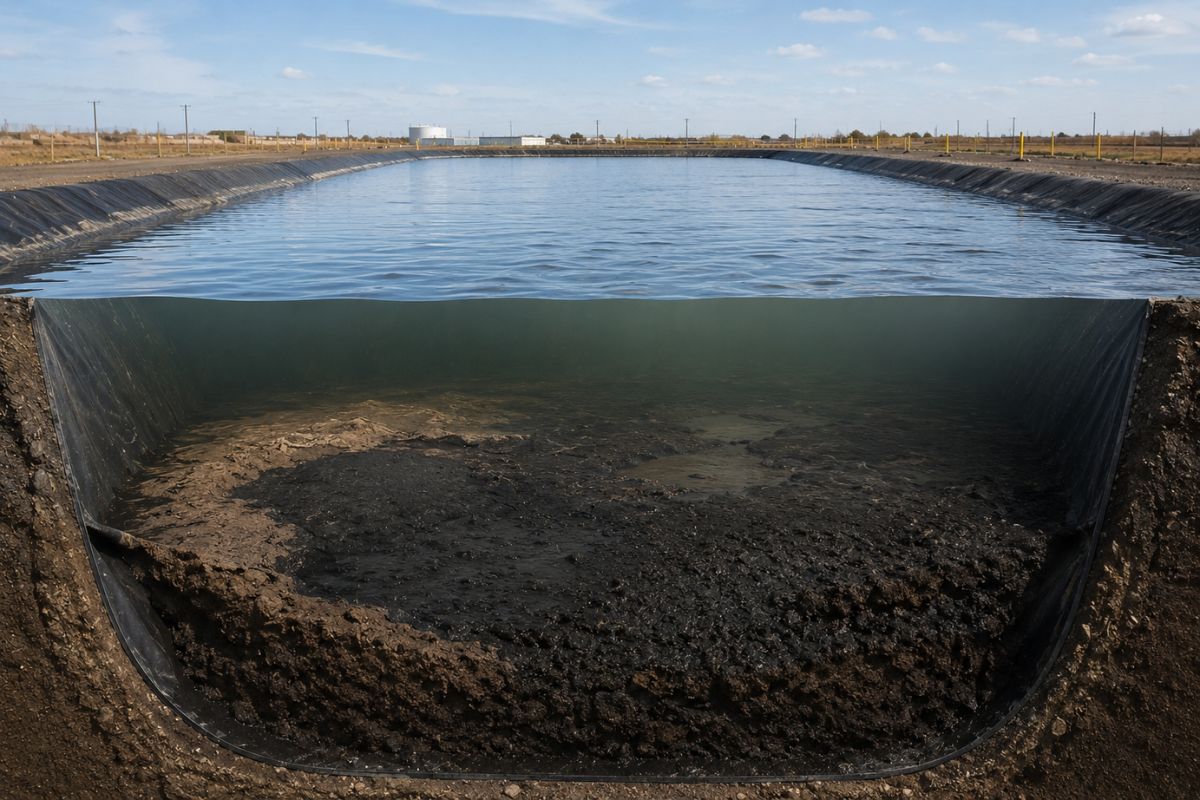
The impact is particularly significant in lagoon systems where sludge accumulation directly reduces effective depth and treatment volume. A lagoon originally designed with ten feet of operating depth may eventually lose several feet of active treatment capacity due to accumulated sludge. As available volume decreases, facilities often experience increasing treatment challenges despite maintaining similar wastewater flow rates. This is one reason why routine sludge depth measurements are critical for long-term wastewater management.
Operational Warning Signs of Excessive Solids Accumulation

Facilities rarely wake up one morning and discover a sludge problem. The warning signs usually develop gradually. Common indicators include increasing aeration demand, declining settling performance, elevated sludge blanket levels, odor complaints, reduced dissolved oxygen transfer efficiency, and rising sludge disposal volumes. Operators may also notice increased variability in effluent quality, particularly during periods of elevated hydraulic loading.
In lagoon systems, odor generation often becomes more pronounced as accumulated sludge begins to dominate treatment volume. Unfortunately, many facilities respond to these symptoms individually rather than identifying the underlying accumulation problem. Monitoring solids inventory over time provides a much more effective strategy for identifying and correcting issues before performance deteriorates.
Why Some Industries Generate More Sludge Than Others
Wastewater characteristics vary significantly between industries, and so do sludge generation rates. Facilities processing food products, proteins, dairy products, beverages, and agricultural materials typically produce wastewater containing large quantities of biodegradable organic matter.
Examples include:
Protein Processing Facilities
Protein-rich waste streams generate substantial biological growth and sludge production due to their high organic loading.
Dairy Processing Operations
Milk solids, fats, proteins, and sugars create wastewater that can rapidly contribute to sludge accumulation if not effectively managed.
Breweries and Beverage Facilities
High concentrations of soluble organic compounds support microbial growth, increasing biomass production.
Food Manufacturing Plants
Product losses, washdown water, and processing residuals often create wastewater streams with elevated solids concentrations. Because wastewater characteristics vary widely between industries, sludge management strategies should be tailored to each facility's specific waste profile.
Biological Solids Reduction Strategies
Historically, many facilities have approached sludge management primarily through removal and disposal. While removal remains necessary in some situations, modern wastewater management increasingly focuses on reducing sludge generation and increasing biological destruction.
Effective biological strategies often include:
- Improving microbial activity
- Increasing volatile solids destruction
- Enhancing hydrolysis
- Optimizing oxygen transfer
- Improving nutrient balance
- Maintaining favorable environmental conditions
The objective is not to eliminate sludge entirely, but to increase the percentage of organic solids that are biologically degraded before they accumulate. This approach can significantly reduce disposal requirements while improving treatment performance.
Biological vs Mechanical Approaches to Solids Management
When sludge accumulation becomes severe, facilities often begin evaluating expensive mechanical solutions.
Common approaches include:
- Dredging
- Excavation
- Additional treatment basins
- Lagoon expansion
- New clarifiers
- Capital infrastructure upgrades
These solutions may be appropriate in some circumstances, particularly when large volumes of inorganic solids have accumulated. However, many facilities discover that improving biological performance can significantly slow accumulation rates and recover treatment capacity before major capital projects become necessary. This concept aligns with a growing industry trend toward optimizing existing wastewater treatment systems before pursuing expensive infrastructure expansion.
Why Biological Treatment Often Provides Better Long-Term Results
Mechanical removal addresses the symptom of sludge accumulation. Biological optimization addresses the cause.
By enhancing the natural biological processes already occurring within wastewater treatment systems, facilities can often achieve:
- Reduced sludge generation
- Improved treatment efficiency
- Lower disposal costs
- Better odor control
- Increased treatment capacity
- Improved process stability
This is particularly important for industrial facilities facing rising hauling, landfill, and disposal expenses. In many cases, the most sustainable sludge management strategy is reducing sludge production rather than simply increasing disposal frequency.
This is covered in depth in our article: Biological vs Chemical Treatment in Industrial Wastewater: What Actually Works Long-Term
Industrial Lagoons Require a Different Solids Management Strategy
Lagoon systems present unique challenges because sludge accumulation often occurs below the water surface where it cannot be easily observed. Operators may assume treatment performance remains adequate simply because no visible problems are present. Meanwhile, sludge continues to accumulate year after year.
As solids buildup increases, lagoons experience:
- Reduced depth
- Lower treatment volume
- Increased short-circuiting
- Reduced retention time
- Greater odor potential
Seasonal temperature fluctuations further complicate lagoon performance. As temperatures decline, biological reaction rates slow significantly, reducing volatile solids destruction and accelerating net sludge accumulation. Facilities operating lagoon systems should understand how cold weather impacts wastewater lagoon performance and sludge accumulation to better predict seasonal treatment changes and long-term solids buildup.
The Real Cost of Sludge Disposal
Sludge management expenses extend far beyond hauling invoices.
Direct costs may include:
- Hauling
- Dewatering
- Land application
- Landfill disposal
- Labor
- Equipment maintenance
Indirect costs often include:
- Lost treatment capacity
- Increased energy consumption
- Process instability
- Compliance risks
- Accelerated capital expenditures
When viewed over a five- or ten-year period, these indirect costs frequently exceed direct disposal expenses. For this reason, facilities increasingly evaluate sludge reduction opportunities as part of broader wastewater optimization initiatives.
Stay Informed About Wastewater Optimization Strategies
Wastewater treatment technologies, regulatory expectations, and solids management practices continue to evolve. Subscribe to the free monthly wastewater newsletter Systems and Solids for technical insights on:
- Industrial wastewater treatment optimization
- Sludge reduction strategies
- Lagoon performance management
- Biological treatment technologies
- Industry case studies
- Operational best practices
Staying informed helps operators make better decisions before performance issues become costly problems.
Conclusion
Industrial wastewater solids management is fundamentally a capacity management issue, a treatment performance issue, and a cost management issue. Facilities that actively monitor sludge accumulation, track volatile solids destruction, and optimize biological treatment performance consistently achieve lower operating costs and greater treatment stability. Rather than viewing sludge solely as a disposal problem, leading facilities recognize that solids management begins with understanding how sludge is generated and how biological processes can reduce accumulation before expensive mechanical intervention becomes necessary.
As disposal costs continue to rise, effective solids management will remain one of the most important opportunities for improving industrial wastewater treatment performance.
Reduce Sludge Before It Becomes a Capital Project
Accumulated solids reduce treatment capacity, increase operating costs, and accelerate the need for expensive infrastructure upgrades. Drylet's biological wastewater treatment technologies help facilities increase volatile solids destruction, improve treatment performance, and reduce sludge accumulation within existing treatment systems.
Request a Technical Assessment to evaluate your wastewater treatment process and identify practical opportunities to reduce sludge accumulation, lower disposal costs, and recover treatment capacity.

Frequently Asked Questions
What is industrial wastewater solids management?
Industrial wastewater solids management is the process of monitoring, controlling, reducing, storing, and disposing of solids generated during wastewater treatment. Effective solids management helps maintain treatment capacity, improve process performance, and reduce sludge disposal costs.
Why do solids accumulate in industrial wastewater treatment systems?
Solids accumulate when the rate of sludge production exceeds the rate of solids destruction and removal. Organic matter, biological biomass, fats, oils and grease (FOG), suspended solids, and chemical treatment residuals all contribute to sludge accumulation over time.
How does sludge accumulation affect wastewater treatment performance?
As sludge accumulates, active treatment volume decreases. This can reduce hydraulic retention time, increase organic loading rates, impair settling performance, increase odor generation, and reduce overall treatment efficiency.
What are volatile solids and why are they important?
Volatile solids (VS) are the organic portion of sludge that can be biologically degraded by microorganisms. Increasing volatile solids destruction is one of the most effective ways to reduce sludge accumulation and lower long-term disposal costs.
How often should sludge depth be measured?
Measurement frequency depends on the treatment system and loading conditions, but most industrial facilities should evaluate sludge accumulation at least annually. Systems with high organic loading or a history of rapid accumulation may benefit from more frequent monitoring.
Can biological treatment reduce sludge accumulation?
Yes. Biological treatment can increase volatile solids destruction through natural microbial processes such as hydrolysis, aerobic digestion, and anaerobic digestion. When properly optimized, biological treatment can significantly reduce net sludge accumulation.
What industries typically experience the highest sludge accumulation rates?
Food processing, meat processing, poultry processing, dairy processing, breweries, beverage manufacturing, and other high-strength industrial wastewater generators often experience elevated sludge production due to high concentrations of biodegradable organic matter.
Is dredging the only solution for excessive sludge accumulation?
No. While dredging may be necessary when significant solids have accumulated, many facilities can reduce future accumulation rates and improve treatment performance through biological optimization, improved process control, source reduction efforts, and enhanced solids management practices.