Winery Wastewater Treatment Case Study: 95–99% Reduction in COD, BOD, Ammonia & Odors
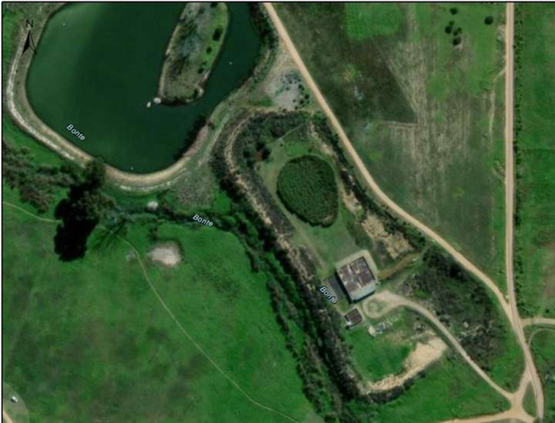
This winery wastewater treatment case study demonstrates how a commercial winery achieved 95–99% reductions in COD, BOD, suspended solids, ammonia, and odors within 28 days using biological treatment and ultra-fine bubble oxygenation.
Results at a Glance
- 95–99% reduction in COD and BOD
- Irrigation-quality effluent achieved within 28 days
- 55% reduction in hydrogen sulfide (H₂S)
- Nearly complete ammonia removal
- Significant solids reduction
- Improved dissolved oxygen throughout treatment process
- Reduced odors and stabilized biological treatment
Facility Overview
Industry: Winery Wastewater Treatment
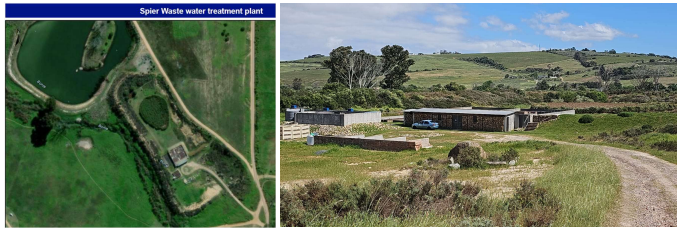
Treatment System: Biological wastewater treatment with reedbed polishing and irrigation water reuse
Trial Duration: 60 days (October–November 2024)
Technology Evaluated: Drylet® BioReact®, AquaAssist®, and Soldevco® Micro- and Ultra-Fine Bubble (UFB) Technology
Drylet partnered with Soldevco Pty Ltd. to evaluate the combined performance of biological treatment and Micro- and Ultra-Fine Bubble (UFB) oxygenation at a commercial winery wastewater treatment facility. The demonstration was conducted under normal operating conditions to determine whether the integrated approach could improve treatment efficiency, reduce sludge accumulation, control odors, and produce high-quality effluent suitable for irrigation reuse.
Like many winery wastewater treatment systems, the facility received highly variable wastewater generated from wine production, hospitality operations, agricultural activities, and other on-site processes. These changing influent characteristics created periods of elevated organic loading, low dissolved oxygen, acidic conditions, and increased solids accumulation that challenged consistent biological treatment.
The primary objectives of the demonstration were to:
- Improve dissolved oxygen transfer throughout the treatment process.
- Accelerate biological degradation of complex organic compounds.
- Reduce sludge accumulation, suspended solids, and odor-causing compounds.
- Improve effluent quality for safe irrigation water reuse.
All monitoring was performed under real operating conditions at approximately 20°C with an average 24-hour hydraulic retention time (HRT), providing a practical evaluation of the combined Soldevco and Drylet technologies in a full-scale winery wastewater treatment system.
Baseline Challenges
Prior to implementing the combined Soldevco® Ultra-Fine Bubble (UFB) and Drylet® biological treatment program, the winery wastewater treatment system exhibited several operational conditions commonly associated with high-strength food and beverage wastewater.
Initial sampling identified acidic influent conditions, elevated organic loading, excessive suspended solids, low dissolved oxygen, and odor-generating anaerobic zones. Together, these conditions limited biological treatment efficiency, reduced sludge degradation, and threatened the facility's ability to consistently produce irrigation-quality effluent.
Key baseline observations included:
- Acidic influent: The wine mixing tank operated at a pH of approximately 4.0, well below the optimal range for healthy biological activity.
- High organic loading: Influent concentrations reached 8,368 mg/L COD and 2,282 mg/L BOD₅, creating a substantial oxygen demand and increasing stress on the biological treatment process.
- Low dissolved oxygen: Dissolved oxygen measured as low as 0.1 mg/L in the anoxic zone and only 2.6 mg/L entering the reedbed, limiting aerobic microbial activity.
- Excessive solids accumulation: Total suspended solids (TSS) ranged from 3,972 to 4,572 mg/L within the bioreactors, accompanied by approximately 10 mL/L of settleable solids.
- Odor and pathogen concerns: Elevated hydrogen sulfide (H₂S) levels, persistent odors, and E. coli concentrations exceeding 2,400 CFU/100 mL indicated unstable treatment conditions and incomplete biological degradation.
- Poor polishing performance: Algal growth, black water, and turbid conditions within the reedbed reflected localized anaerobic zones that reduced final polishing efficiency.
These operational challenges are common in winery wastewater systems, where seasonal production, fluctuating organic loading, and variable pH can significantly impact biological performance if oxygen transfer and microbial activity are not properly maintained. Facilities experiencing similar conditions may also benefit from understanding what wastewater biology is and how biological treatment works.
Integrated UFB + Drylet Biological Treatment
Soldevco® Ultra-Fine Bubble Oxygenation
To improve oxygen transfer throughout the biological treatment process, Soldevco deployed its patented Micro- and Ultra-Fine Bubble (UFB) technology within the winery wastewater treatment system.
The system consisted of two Viper 100 units and two Viper 70 units installed in Bioreactors 1 and 2. Operating at a combined flow rate of approximately 870 L/min of water and 170 L/min of air, the system supplied a blend of oxygen-enriched air and ambient air to maximize oxygen transfer efficiency.
The improved oxygen transfer significantly increased dissolved oxygen (DO) concentrations throughout the treatment process. Dissolved oxygen increased from approximately 0.64 mg/L to 6.1 mg/L within Bioreactors 1 and 2, reached 5.3 mg/L in downstream treatment chambers, and peaked at 10.6 mg/L prior to irrigation reuse.
Maintaining elevated dissolved oxygen concentrations created favorable conditions for aerobic microorganisms, improving biological oxidation, reducing anaerobic zones, and supporting more consistent wastewater treatment performance throughout the system.
Drylet® Biological Treatment
Alongside Soldevco's Ultra-Fine Bubble technology, Drylet's proprietary biological treatment products were introduced to enhance microbial activity and accelerate the breakdown of organic matter and accumulated solids.
The treatment program included weekly applications of BioReact® to the anoxic tank and AquaAssist® to Bioreactors 1 and 2 throughout the demonstration period.
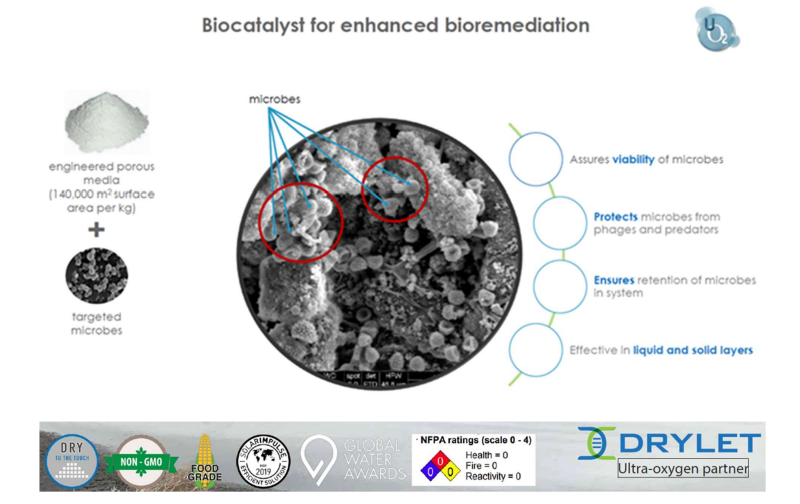
Drylet's patented biocatalyst technology delivers highly active microorganisms within a porous mineral carrier that protects the microbial population while allowing it to penetrate accumulated solids. Once established, these microorganisms accelerate hydrolysis and the biological degradation of complex organic compounds including lignin, proteins, humic substances, fats, oils, and other slowly degradable materials commonly found in winery wastewater.
By increasing microbial activity and improving the availability of biodegradable substrates, the biological treatment program supported faster solids reduction, improved treatment stability, enhanced odor control, and greater overall treatment efficiency.
Performance Results

The combined application of Soldevco® Ultra-Fine Bubble oxygenation and Drylet® biological treatment produced rapid and measurable improvements throughout the wastewater treatment process. Within 28 days, the system achieved irrigation-quality effluent while significantly improving biological treatment performance, solids management, and odor control.
Organic Load Reduction
The integrated treatment program reduced chemical oxygen demand (COD) and biochemical oxygen demand (BOD₅) by 95–99%, lowering both parameters to single-digit concentrations. These reductions indicate highly efficient biological degradation of dissolved and suspended organic matter while substantially reducing the oxygen demand placed on downstream treatment processes. Understanding the relationship between these two measurements is essential for evaluating treatment performance. Learn more about COD vs. BOD in industrial wastewater.
Ammonia and Nutrient Removal
Near-complete nitrification was achieved during the trial, resulting in exceptional ammonia removal. Improved oxygen transfer and enhanced biological activity created favorable conditions for nitrifying bacteria, allowing the system to consistently convert ammonia while improving overall treatment stability.
Solids Reduction
Total suspended solids (TSS) and settleable solids declined dramatically throughout the treatment process. The significant reduction in suspended solids improved effluent clarity, reduced the potential for irrigation system clogging, and minimized sludge accumulation within the biological treatment system. Reducing solids accumulation is also a critical component of effective industrial wastewater solids management strategies.
Dissolved Oxygen Improvement
Dissolved oxygen concentrations increased throughout the treatment train, reversing previously anoxic conditions and supporting a healthier aerobic microbial community. Maintaining elevated dissolved oxygen levels improved biological oxidation, reduced stagnant zones, and contributed to more consistent treatment performance.
Odor Control
Hydrogen sulfide (H₂S) concentrations decreased from 12 ppm to 5.4 ppm, representing approximately a 55% reduction. The reduction in odor-causing compounds corresponded with visible improvements in water quality, including clearer flow through the reedbed and improved polishing performance.
Pathogen Reduction
Despite the reedbed operating below optimal efficiency, E. coli and fecal coliform concentrations declined by approximately 80% compared to untreated wastewater. The improved biological treatment process contributed to safer, higher-quality effluent suitable for irrigation reuse.
Operational Impact
While the analytical data demonstrated significant improvements in water quality, the operational benefits were equally important. By combining enhanced oxygen transfer with targeted biological treatment, the system achieved measurable performance improvements without requiring major infrastructure modifications.
Key operational benefits observed during the trial included:
- Faster biological stabilization under highly variable winery wastewater loading conditions.
- Reduced sludge accumulation through improved biological degradation of organic solids, helping preserve treatment capacity.
- Improved odor control, resulting in a more favorable working environment and reduced nuisance complaints.
- Enhanced dissolved oxygen distribution, supporting a healthier microbial population throughout the treatment process.
- Improved effluent quality suitable for irrigation reuse while reducing the risk of solids carryover and irrigation system fouling.
- Greater process stability, allowing the treatment system to better tolerate fluctuations in organic loading and wastewater characteristics commonly experienced during winery operations.
The results of this winery wastewater treatment case study demonstrate that integrating advanced oxygen transfer technology with biological treatment can significantly improve wastewater treatment performance while reducing operational challenges associated with high-strength food and beverage wastewater.
Project Collaboration: This demonstration was conducted in partnership with Soldevco Pty Ltd., utilizing Soldevco's Micro- and Ultra-Fine Bubble technology together with Drylet's proprietary biological treatment solutions. The technical report was prepared by Soldevco with analytical support from CSIR Laboratory.
Related Wastewater Treatment Resources
To learn more about the wastewater treatment challenges addressed in this case study, explore these related Drylet resources:
- Managing High BOD Wastewater in Industrial Lagoons
- Common Causes of Industrial Lagoon Odors
- Biological vs Chemical Treatment in Industrial Wastewater
- When to Upgrade vs Optimize Your Wastewater Treatment System
Download the Full Case Study
Review the complete winery wastewater treatment case study, including the technical findings, treatment approach, analytical results, and performance data from the Soldevco and Drylet collaboration.
Download the Full Case Study PDF
Ready to Improve Wastewater Treatment Performance?
Every wastewater system is different. If your facility is dealing with high COD, BOD, sludge accumulation, odors, low dissolved oxygen, or inconsistent treatment performance, Drylet can help evaluate practical biological treatment options.
Request a Free Technical Assessment
Interested in Becoming a Drylet Distributor?
Drylet is expanding its distributor network across municipal, industrial, agricultural, food and beverage, and FOG wastewater markets.
Project Collaboration: This demonstration was conducted in partnership with Soldevco Pty Ltd., utilizing Soldevco's Micro- and Ultra-Fine Bubble technology together with Drylet's proprietary biological treatment solutions. The technical report was prepared by Soldevco with analytical support from CSIR Laboratory.